


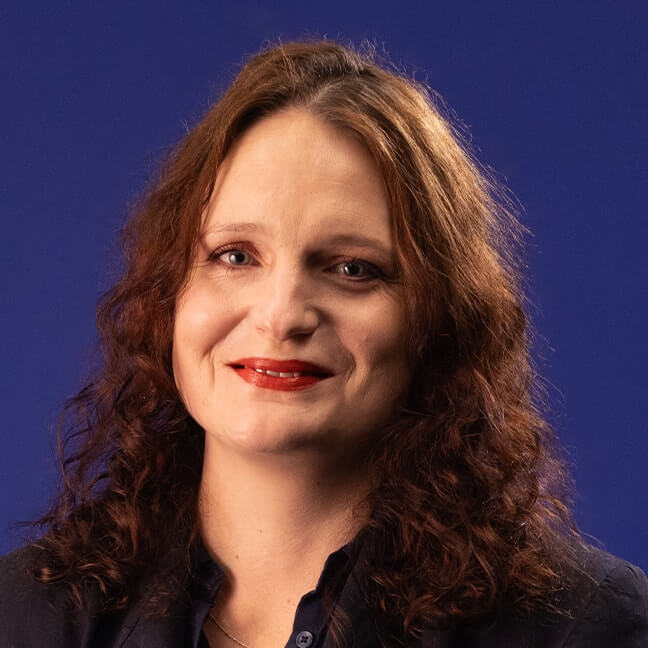

Legal practitioners could be causing undue harm to their colleagues through their communications, according to former Magistrate Professor David Heilpern.
Professor Heilpern was speaking at the Queensland Law Society’s (QLS) Mental Health Breakfast, alongside barrister Kylie Hillard, clinical psychologist Julie Johnston and QLS Wellbeing Working Group Chair Belinda Winter.
In an extensive panel discussion that centred around how to maintain wellbeing while practising law, Professor Heilpern said he could not “believe how nasty legal practitioners are to each other”.
As the Dean of Law at Southern Cross University, he explained that some of his graduate students had shown him correspondence that felt “like being hit over the head with a baseball bat”.
“I do see that as being much worse and a big impediment to wellbeing,” he said.
“Rudeness between practitioners, I think, is professional misconduct. It’s unnecessary. Bullying from the bench is equally inexcusable, and unprofessional.”

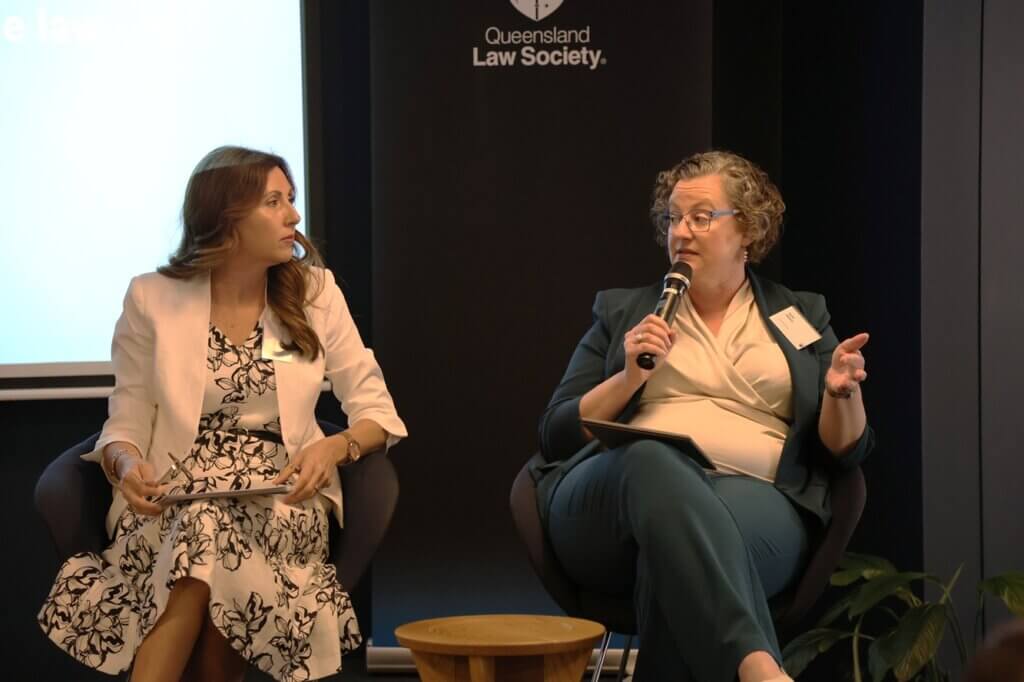
Kylie spoke about her experiences in court, saying that there was a difference between what was a naturally robust environment and what was inappropriate.
“Court is obviously combative, and it is obviously adversarial, but you don’t have to be personally combative, and you don’t have to be personally adversarial in every communication,” she said.
Although Kylie said most of the time what may seem like terse communication was just a “robust challenge”, there was a “world of difference” between that and “being rude or being bullied”.
“We have to be mindful about how we communicate with our colleagues, with the other barristers, with our solicitors, and with our clients, because it comes at us from all different angles,” she said.
“Then we get into the courtroom and then it comes at us from the bench.”
Belinda added that while there had been generational improvement, competitiveness was still contributing to unhealthy workplace habits.
“The grads coming through now have been able to articulate when they’re struggling more than perhaps when I was coming through 20 years ago,” she said.
“But I think what hasn’t improved is the way that we compete with each other as practitioners.
“As a partner in a law firm, we really compete with other partners in other law firms based on our accessibility and, as a consequence of that, we’re always on and we’re always checking out emails.”
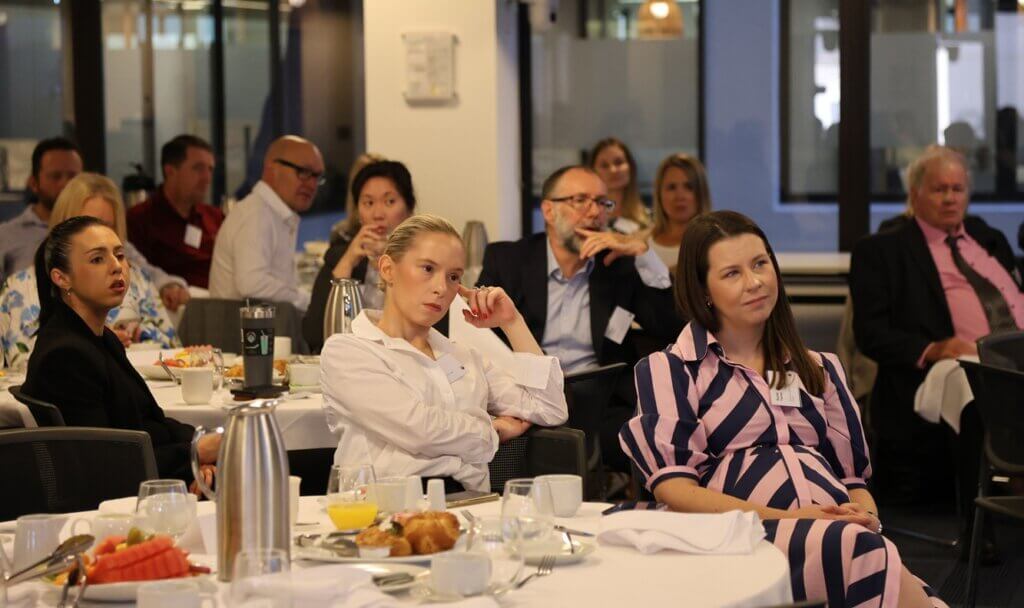
The event, titled Picking up the pieces: overcoming hardship and managing in the law, was held during Queensland Mental Health Week on 9 October 2025 at the Law Society House.
In her introduction, QLS President Genevieve Dee told the crowd that events and conversations such as this were vital in driving awareness and change within the legal profession.
“The Sydney University Brain and Mind Research Institute reported that around 33 per cent of lawyers and around 20 per cent of barristers experienced disability and distress due to depression, often without seeking help,” she said.
“Further statistics from the institute highlight that law students and young lawyers are particularly vulnerable. More broadly, the findings also reveal a troubling trend a high rate of suicide and suicidal ideation among lawyers.”
Genevieve said another significant concern was that “80 per cent of disciplinary matters have reported an underlying mental health aspect to the behaviour”.
Julie said she had heard multiple accounts from lawyers, while conducting psychology workshops, about high workloads and stress involving traumatic or confronting content.
“As well as dealing with aggression, this has been mentioned to me by lawyers and solicitors without fail across my workshops over the years,” she said.
Her advice to legal practitioners, who might be noticing impacts on their mental wellbeing, was to seek help early.
“What does that support mean? I mean that in the broader sense of the word, it might involve a conversation with your GP, but it might also, involves a chat with your colleagues or a catch-up or any number of things that that is meaningful and relevant to you,” she said.
QLS offers four bespoke in-house training workshops as a part of the Mental Health First Aid series.
If you or anyone you know needs help:
• Lifeline on 13 11 14
• Beyond Blue on 1300 224 636






Share this article