



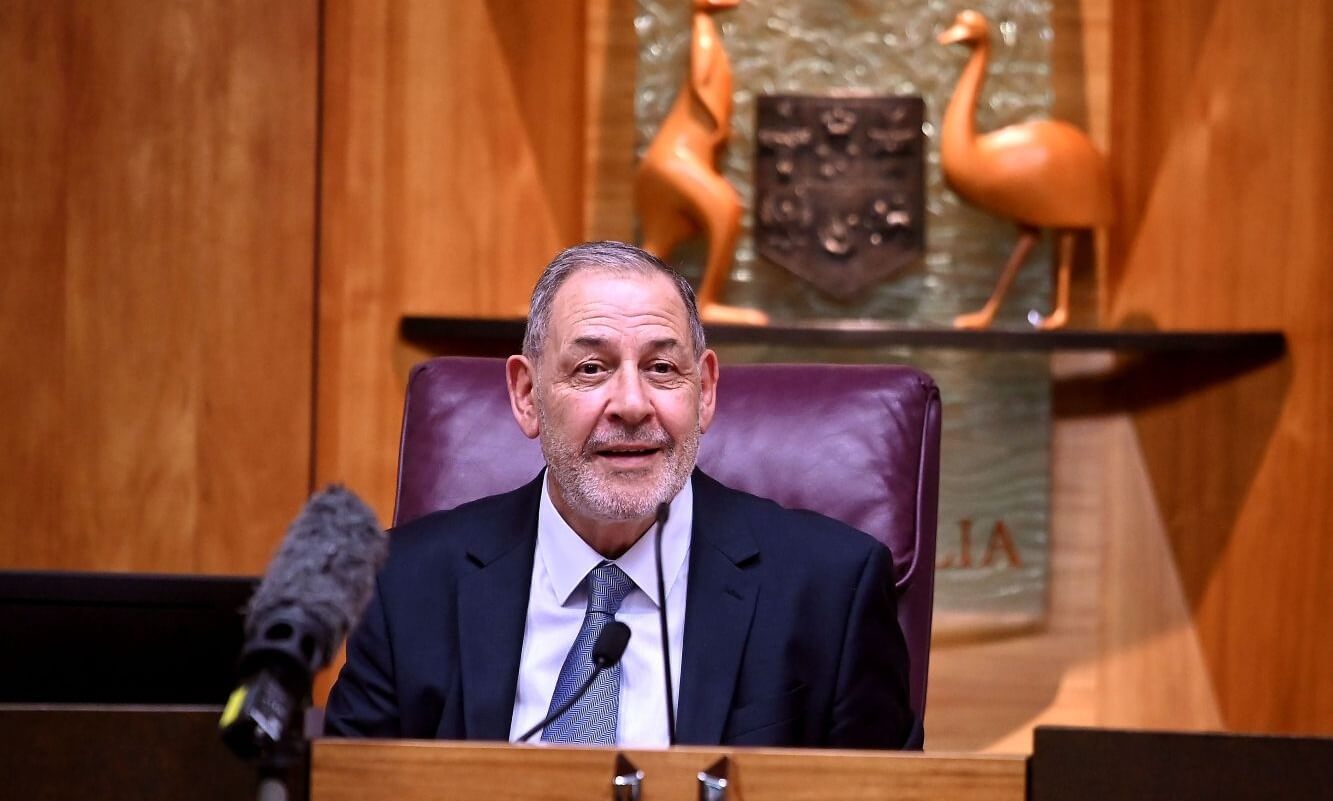
The Honourable Paul Anastassiou KC used his closing address of the Child Safety Commission of Inquiry to underline the critical importance of protecting children and improving the systems designed to support them, following 10 months of evidence, submissions and hearings.
Commissioner Anastassiou delivered an incisive address at the ceremonial closing hearing in Brisbane on Thursday before the report was presented to the State Government on 22 May.
He noted that the inquiry had reviewed the “totality of the evidence” across 1193 submissions and hearings.
The Commissioner acknowledged that the child protection system had been the subject of multiple previous inquiries, and that previous reform efforts had not failed for lack of recommendations.
Referring to commentary on the history of reform efforts, he cited a recent Cape York Institute submission describing the process as “death by a thousand consultations” adding that “allowing for the work of the Commission, there must by now have been many more than a thousand”.
“As several well-known and regular commentators, some of whom I note are here today, have commented, and they’ve been astute that this is not the first commission of inquiry into the child protection system,” he said.

“They also observed that the failure of reform has not been for the lack of recommendations.
“The question which cannot hide and from which, and the answer to which the Commission cannot ally is what difference can this inquiry make?”
While not “at liberty” to disclose the contents of the final report ahead of its delivery to government, Commissioner Anastassiou outlined the Commission’s broader aspirations.
He said one hoped‑for outcome was to “truly refocus the system on the welfare and best interests of the children who are its true purpose”.
The Commissioner said the inquiry aimed to support more open discussion of the “sensitive and uncomfortable topics which underlie the challenges which confront the system”.
Commissioner Anastassiou highlighted the need to direct policy attention to the proximate causes of harm.
“They are alcohol abuse, drug abuse, domestic violence and mental health issues,” he said, describing them as “villains who in concert are nearly always present when a child is removed into state care”.
He said the Commission hoped its careful analysis would assist in “recalibrating government policy priorities” and provide an integrated strategy for reform at critical levels of system.
“Given the history of reform in relation to the child protection system, this, I recognise, is an ambitious aspiration. However, it is not one that the Commission has shirked,” the Commissioner said.
“In particular, the Commission has sought to identify and tackle the underlying impediments to reform of the system, which tend to emerge only belatedly and are usually revealed only by the results of earlier failed attempts at reform.
“If this ambition is realised, as the Commission hopes it will be, then this inquiry will have been of use beyond merely a structured opportunity for more talk without change.”
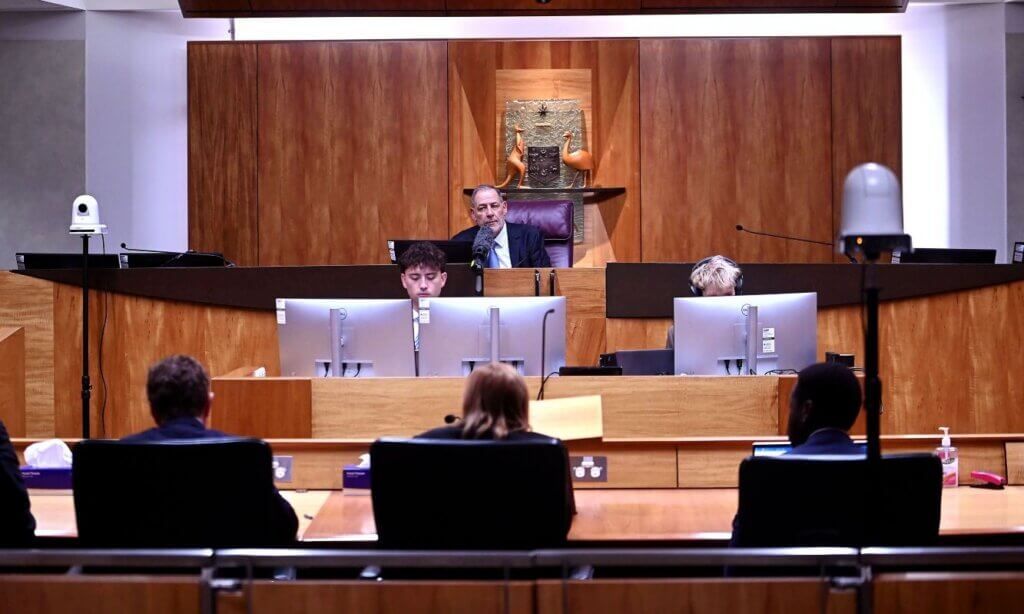
The Commissioner addressed the compressed reporting timeframe, which was brought forward from November to May. He said that although his February prediction that a substantive report could still be delivered had been “slightly in advance of the facts” at the time, he could now confirm it with “true confidence”.
He attributed this to the work of the secretariat and counsel assisting, noting their “extraordinary work,” including extended hours and weekend contributions.
Reflecting on the impact of the timeframe, Commissioner Anastassiou referenced two aphorisms: “If I had longer, the report would be shorter” and “the time taken to complete a task tends to expand to fill the time available”.
“Back in February, I was not so persuaded by the second but the first remains true even so,” he said.
“The Commission does not hide behind any defence of that nature or the truncating of the time frame when it comes to producing a report which, in terms of scope and content, addresses the significant issues as the Commission has identified and provides a coherent set of integrated recommendations linked to its analysis.
“That is not to say that there are not matters which would benefit from further nuanced evaluation, nor matters which warrant further investigation.
“The report nonetheless addresses the matters, as I’ve said, that are most germane to the systemic failures which have been identified.
“That is really all I should say about the report, lest I inadvertently head into the territory of holding a press conference in advance of delivering the report.”
Commissioner Anastassiou expressed appreciation for the contributions of individuals and organisations who participated in the inquiry.
He said the submissions had “directly influenced the Commission’s analysis, conclusions and recommendations”.
He also acknowledged the witnesses who shared personal experiences.
“There have been some extremely brave people who have come forward and courageously given accounts of the harrowing experiences they have endured and survived,” he said.
“Their stories not only inform the Commission’s understanding about the child protection system and how it is experienced by children and young people, who are after all the centre of it, and also of their carers.
“Their stories are now part of the public record to be considered, appreciated, studied and, dare I say, potentially the subject of material for a later inquiry.”
The Commissioner noted the cooperation of the department and other government agencies, emphasising that the inquiry was not focused on individual blame.
“This inquiry is not about criticism, it’s about critique,” he said. “It is, and needs to be emphasised, an inquiry into the systemic underlying causes that have bedevilled the child protection system for so long and despite earlier inquiries.”
Commissioner Anastassiou concluded by describing it as a “singular honour” to lead the inquiry.
The State Government will now consider the final report.




Share this article