

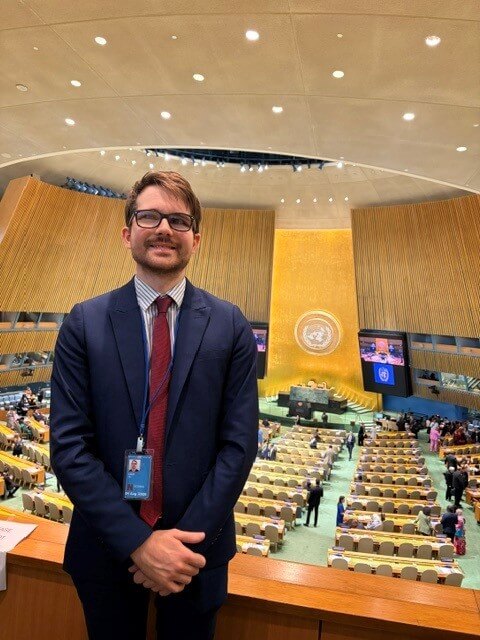
Over the past few months, I have been honoured to speak about my practice experiences and advocate for reform at two of my dream locations – the United Nations in New York City and my former law school at the University of Queensland.
Both of these experiences felt like full-circle, pinch-me moments, but more than that for me. I am grateful to have retained enough eyesight to be able to look at the people I am presenting to and create a visual memory of these experiences.
My doctors told my parents I would not likely retain any vision beyond the first few years of my life, that it was very unlikely I would see through my teenage years, and none of us expected me to still have some vision at 30. I’ve always adopted the attitude that I will say yes to almost every opportunity that comes my way, as I sense a ticking clock that I will only be able to navigate life and the legal profession in the way that I currently do, for only so long.
In June, I travelled to the United States as a civil society delegate at the 19th Session of the Conference of States Parties to the Convention on the Rights of Persons with Disabilities (COSP19) at UN Headquarters. While I was fortunate to have attended COSP in 2023 via the Australian Government’s Supporting Participation Program, this time I was more directly participating on the ground, rather than observing the conference.
COSP19 brought together over 1000 delegates from UN system entities, government officials, civil society organisations, National Human Rights Institutions, and disability advocates to discuss ongoing implementation of the Convention on the Rights of Persons with Disabilities. This year’s focus was on commemorating progress in its 20th year of implementation.
While 192 countries have ratified the Convention, there remains a strong need for continued advocacy to sustain progress, improve accessibility, improve living standards, reduce discrimination, and hold States Parties accountable to ensure effective and meaningful monitoring of the Convention in accordance with Article 33.
As UN Secretary-General António Guterres said in his welcoming remarks in the General Assembly, COSP is the “premier forum dedicated to advancing the rights of persons with disabilities around the world”. The conference ran for three days, with a day before official proceedings for the Civil Society Forum. The official proceedings of the Convention include General Debate, interactive dialogues, roundtables based on COSP19’s three sub-themes, side events, and informal sideline meetings between delegates.
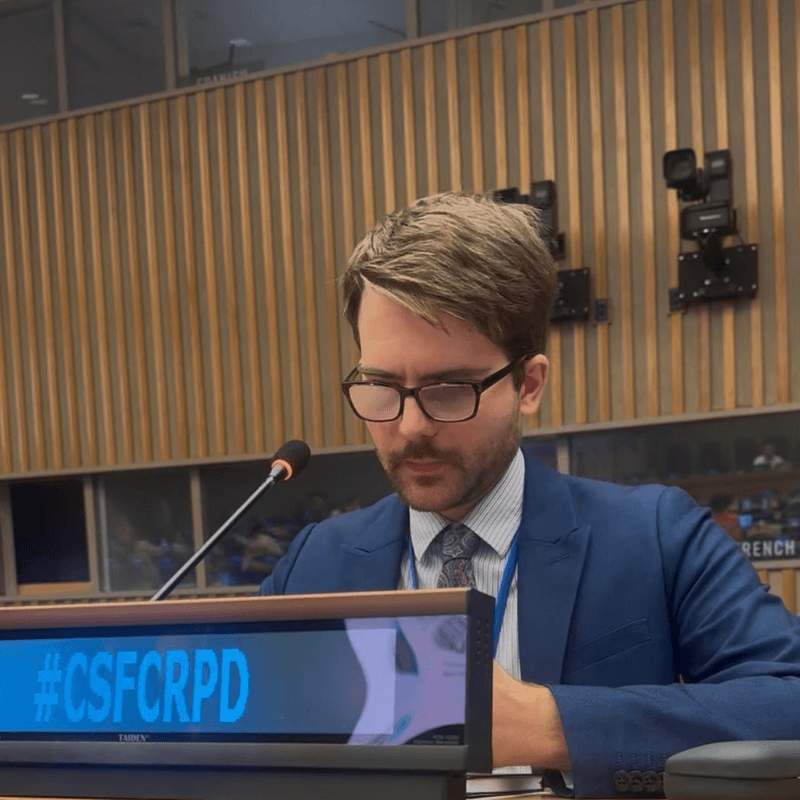
A career and life highlight was when I made an intervention during the Civil Society Forum focusing on local and global criminal justice policies to fully implement Article 15 of the Convention and in consideration of the UN Standard Minimum Rules for the Treatment of Prisoners (The Nelson Mandela Rules), as well as highlighting the impact of not meaningfully implementing the recommendations of the Disability Royal Commission three years after its conclusion.
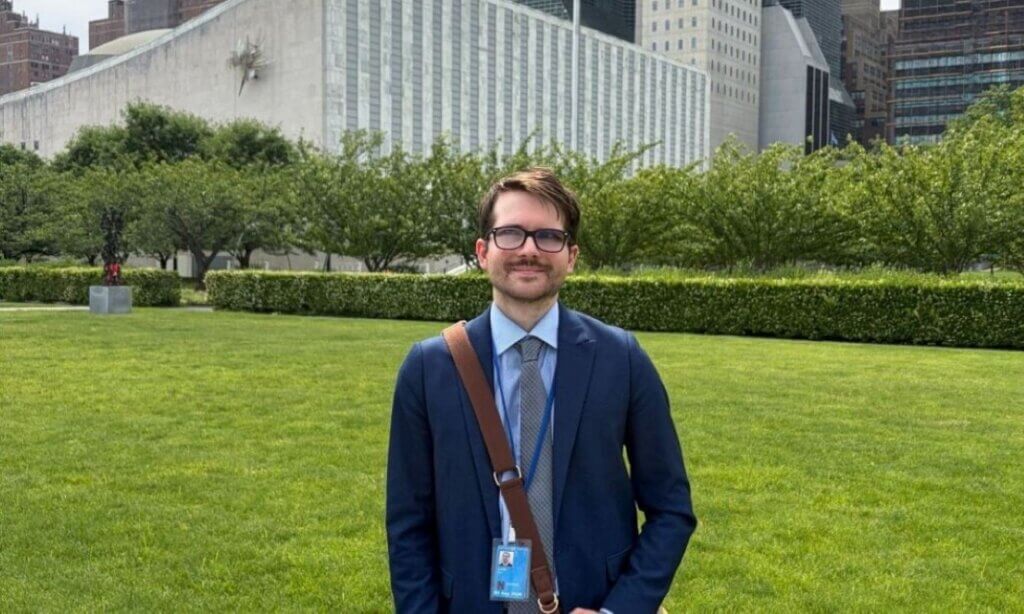
I was only informed that I had been chosen to present around one week in advance when I was already travelling through Canada. This meant that my speech had to be revised and rehearsed on a train trip to Washington DC, in the New York Public Library, and in my hotel room in Midtown Manhattan until 2am the morning before. My intervention can be found at 2:02:20 at this link.
I also moderated a side event co-hosted by Queensland Advocacy for Inclusion, Mob4Mob and Disabled Peoples’ International Korea alongside delegates from the Australian Human Rights Commission and the Republic of Korea, entitled Living Letters: Voices at the Intersection of Disability, Culture, Gender and Ageing- Reflection on 20 Years of the CRPD.
It was also a privilege to have as a speaker, the current Chair of the UN Committee on the Rights of Persons with Disabilities, Miyeon Kim, whose contributions at our side event were a highlight to observe at COSP19. I concluded by calling for sustained advocacy and monitoring of the Convention to foster true inclusion in a further 20 years’ time. I quoted former US President Franklin D. Roosevelt and linked his words to my late grandmother, Valerie Jarius, and her experiences of ableism and ageism. Nanny has always been my inspiration for disability advocacy and it meant a lot to talk about her at the UN. This event can be viewed here.
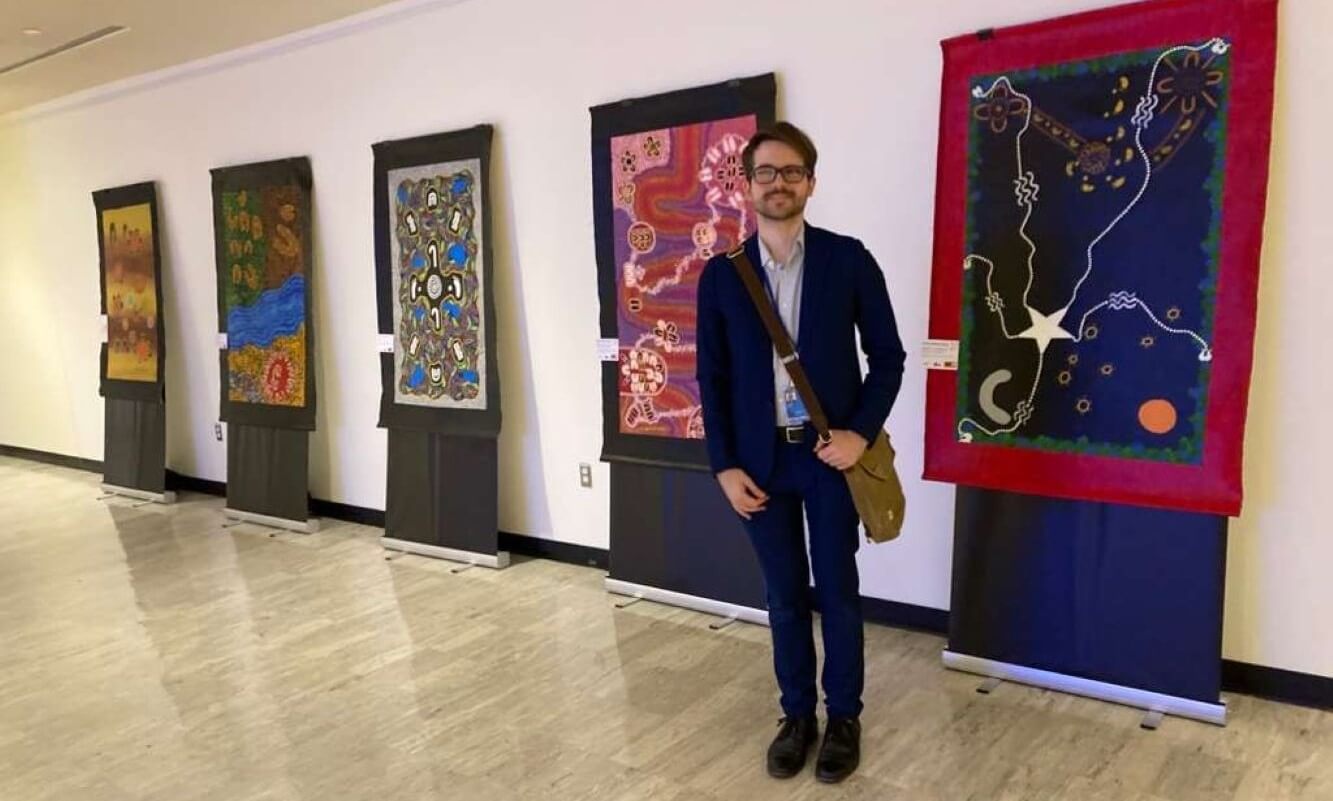
There was also an art exhibition sponsored by the Australian Government in the halls of the UN, called Reflections on the UN CRPD. The exhibition featured nine artworks by Queensland-based indigenous artists living with disability. This was a very practical artistic way for international law to be viewed by people who would not otherwise engage with important human rights principles.
It was an honour to provide brief remarks at the art exhibition launch, but it was a career challenge when I was tasked as “project lead” to physically hang the artwork in the UN. I had to go well beyond what I learnt in law school or the skills I employ to advise clients in my day-to-day practice.
Nonetheless, it will remain a professional (and personal) achievement that we managed to hang the artwork without it falling throughout the week and ensured indigenous perspectives of disability rights were given a global platform.
Alongside my own contributions, I was fortunate to learn from other States Parties and delegates about laws, practices and policies in other jurisdictions. These sessions covered everything from disability-inclusive issues to consider in the current UN drafting process for the Convention on the Prevention and Punishment of Crimes Against Humanity, how to make cities more accessible with a focus on the current policies of the New York City Mayor’s Office for People with Disabilities, and an official event commemorating World Elder Abuse Awareness Day (two weeks prior to my own event back in Brisbane).
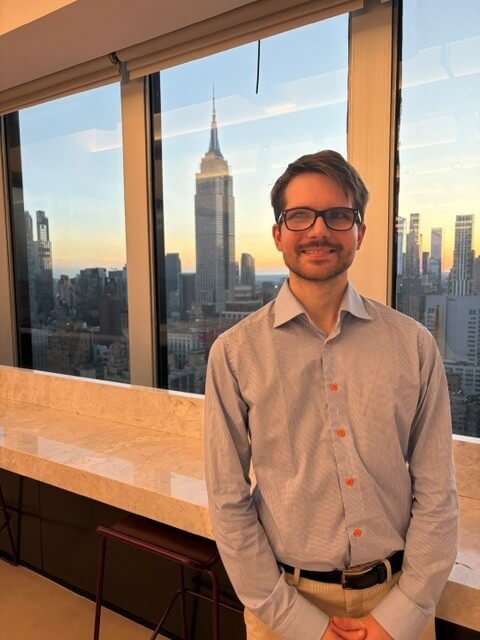
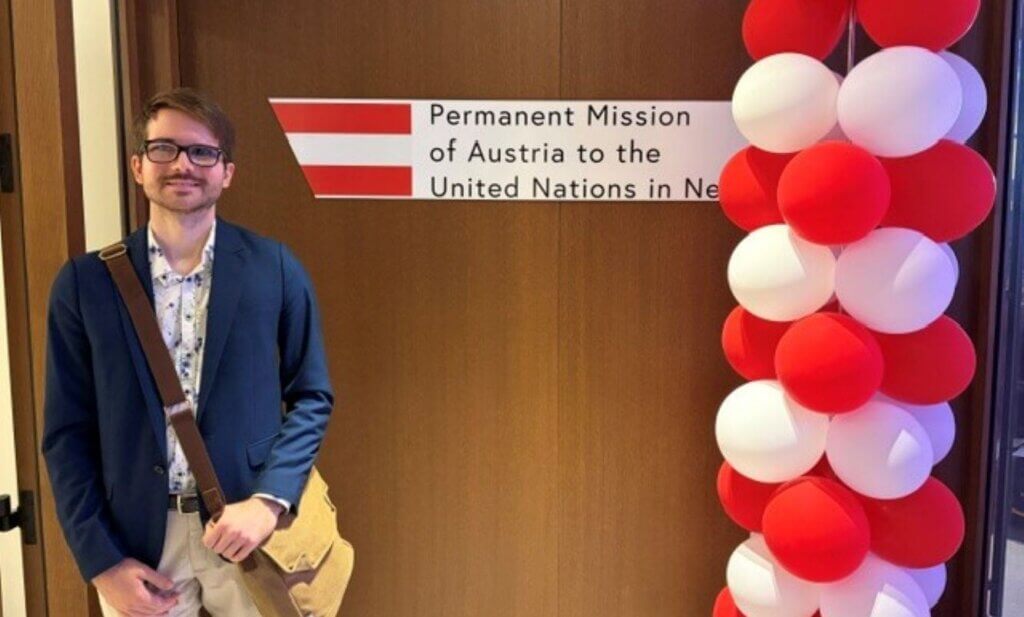
After my time at the Permanent Mission of Austria to the UN’s side event on the role of start-ups and technology to promote disability rights, I came to the conclusion that every single conference session should end with collecting a report and some strudel!
On my final day in New York, my colleague Cassie Brophy from Mob4Mob and I were extremely fortunate to attend a brilliant three-hour meeting in Lower Manhattan with fellow Attorneys and staff from four local legal practices, with one practitioner joining virtually from Maryland.
We shared experiences from both our jurisdictions, on topics covering transport accessibility, supported decision-making, mental health reform, de-institutionalisation, indigenous rights, strategic litigation, and funding opportunities.
I similarly attended a meeting with disability and policy advocates in Washington DC on Pennsylvania Avenue down the road from the White House, where I learnt a great deal about the current state of human rights in the US, and the current strategies employed to challenge progress going backwards (namely the current challenges to the leading US Supreme Court disability rights case of Olmstead v. L.C., 527 U.S. 581 (1999)). These meetings I hope are not a one-off, as it has led me to read more US cases than Australian caselaw upon my return.
My time at COSP19 greatly motivated me and reaffirms to me something I always advocate for – open dialogue and sharing knowledge helps practitioners to view the policy and client issues they work on every day with a clearer and more critical lens. Engagement in international processes is vital, as we are better practitioners and policy makers when we understand how other countries are promoting human rights and addressing access to justice deficits.
Following my return, on 15 September, I was honoured to be invited back to present alongside some of my colleagues during a law lecture in the elective course Elder Law. The students asked excellent questions, showing great insight on future practice skills to support queer, First Nations and CALD older clients, as well as engaging with complex areas of the law including legal decision-making and capacity.
This highlighted the importance of meeting with legal practitioners and policy makers at all ends of the career spectrum, as it strengthens our own skills because the sharing of knowledge advances our understanding of how best to advocate for clients in a more holistic, accessible and strategic way.
Both of these opportunities were the result of my work volunteering for community legal centres. Queensland Advocacy for Inclusion (where I am the Secretary on the Management Committee) sponsored my nomination as a delegate, while the LGBTI Legal Service (where I am an evening clinic volunteer) linked me in with the University of Queensland lecturer running the Elder Law course.
I strongly encourage all practitioners to volunteer at their local community legal centre, offer pro bono hours where possible, and consider how best you can create opportunities to collaborate with practitioners and policy makers locally and internationally. I am proof that sometimes it can lead you to the most incredible experiences in the halls of the UN or providing insights to future practitioners at your former law school.



Share this article