


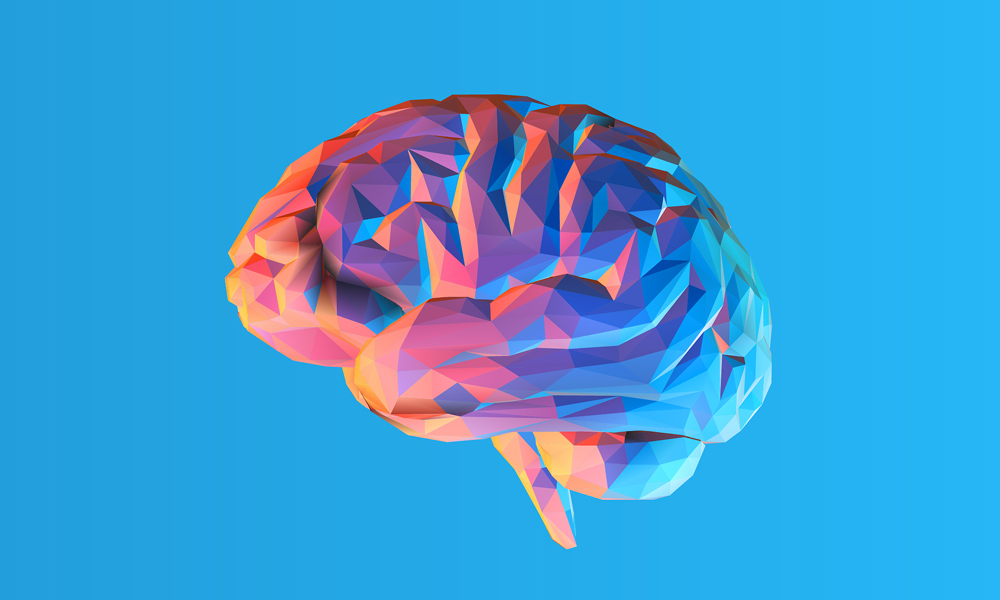
Brain injuries are often described as invisible injuries. The consequences of a brain injury, even a “minor” injury or concussion can have devastating effects on an individual.
It is critical that those who suffer a brain injury, irrespective of how it is sustained, are provided with the right supports and assistance to manage their injury and be able to live a meaningful life.
This year’s Brain Injury Awareness Week (BIAW) theme is Invisible disabilities deserve visible change. As a personal injury lawyer, I have acted for numerous clients who have suffered a brain injury, many of whom have described their injury as being difficult to convey to those around them and therefore to manage.
Just some of the impacts that an invisible disability can have include:
- Symptoms such as fatigue, irritability, cognitive decline, memory loss and impulsiveness are often experienced;
- Those with a brain injury can struggle to remain employed or secure employment;
- Family members/friends often play a more significant role in prompting, supporting and encouraging the person who has suffered the brain injury.
In my practice area, when a person has been injured in a car or work accident, they may be able to pursue a compensation claim to receive financial assistance to help manage some of these issues. However, for those who suffer a brain injury in a different setting, such as a sporting injury, or as a victim of domestic violence or assault, there can be limited resources and avenues for people to pursue the help they need and be able to afford that assistance.
BAIW’s theme in 2025 is aiming to raise awareness of these issues, to break down barriers that currently exist and develop a roadmap to create meaningful and visible change across all sectors.1
With this in mind, some of the ways that people with brain injuries can be supported include:
Identify the injury
Too often, people may not in fact know or realise that what they are experiencing is due to a brain injury. Brain injuries affect about one in 45 Australians2, however many brain injuries remain undiagnosed or misdiagnosed.
It is critical to have supportive treatment providers who listen to the patient and can identify these issues.
Treatment and support
With early intervention and appropriate treatment, a person can often see improvements with the symptoms associated with their brain injury. Brain injury and concussion clinics are growing in Australia but often there can be long wait lists, and the costs can be prohibitive to many. This is an area where government funding can make a significant difference.
Access to brain injury support groups can also provide valuable help to those who are suffering in this space.
Inclusive workplaces that offer reasonable accommodations
I have seen many clients able to participate in the workforce with the empathy and support of their employer and colleagues. This unfortunately is not always the case, and it is an area where extra support and funding is needed so that those with brain injuries can secure employment and minimise their risk of becoming vulnerable to hardship.
Government support
It is important that all levels of government remain committed to funding research in this space so that appropriate treatment can be accessed through the Medicare system and strategies for other issues such as housing and employment can be considered. This is particularly important for those brain injury sufferers who do not have access to compensation or an insurance claim.
In addition to my work as a personal injury lawyer, I am also a Director of Concussion Australia Ltd, which is a non-for-profit charity that aims to provide education and support to grassroots communities about concussion. Despite the growing acknowledgement of concussion in sport, Concussion Australia continues to work with people who face these challenges and often report that they aren’t receiving the support they need.
Working in this area demonstrates the extent that the “invisible injury” continues to exist, however with continued awareness and advocacy, we can move the pendulum towards meaningful change for those who are suffering from brain injuries in Australia.
Footnotes
1 Brain Injury Awareness Week – Synapse
2 Disability in Australia: acquired brain injury, Summary – Australian Institute of Health and Welfare



Share this article