



“Slopaganda” is one of the latest issues contributing to misinformation, the National Policy Lawyers Conference at Law Society House heard in Brisbane this week.
The two-day conference is being hosted by the Queensland Law Society with attendees from interstate and New Zealand.
AMA Queensland Media and Communications Officer Policy Lead Erin O’Donnell, who was part of a three-person panel discussing Advocacy in the age of misinformation and polarisation, said there were three common elements to misinformation – cherry-picking of information, conflation of facts and influencers.
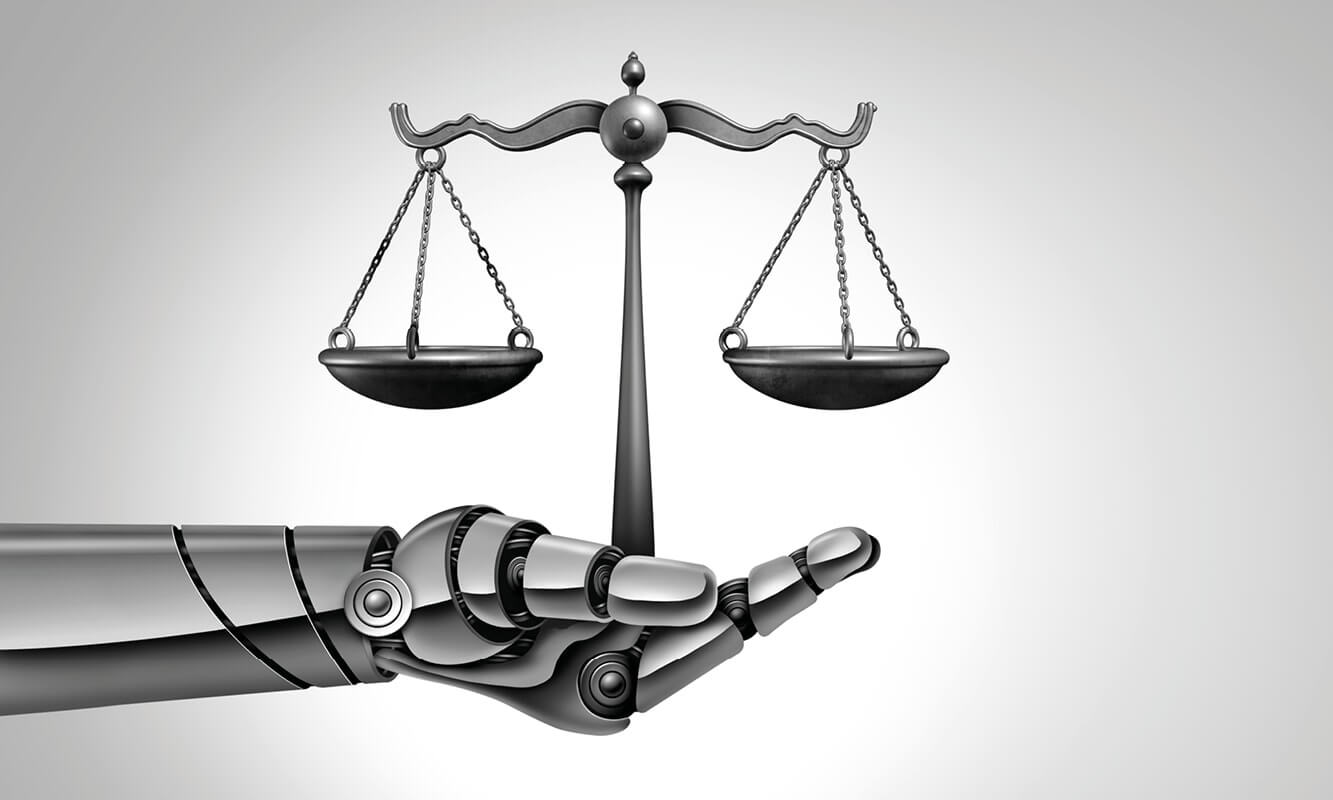
“I was listening to a podcast this morning and they were talking about slopaganda, AI-generated propaganda essentially. We used to talk about a strategy to flood the zone and that’s just taken it to a whole new level,” Erin said.
“So countering that you have got to be even more responsible, and you have to get on it really quickly.”
Queensland Council of Social Service Executive Director of Communications and Engagement Robert Hoge said there was “just so much of it” that organisations needed to look at strategies and decide when to ignore or engage with the misinformation “if you need to achieve something really concrete”.

“Some times and often misinformation is in your road but often it may not be,” Robert said.
“And if you think there’s a clear and credible and achievable path to get to where you want to, without having to actually engage in the slopagenda and spend all of your time, and all of your resources, kind of pushing back a bunch of stuff – that’s probably worth something to keep in the back of your mind.”
AMA Queensland Media and Communications Officer Natalie Bochenski said lack of trust in institutions was contributing to the issue.
“There’s such a problem with a lack of trust in a lot of institutions, whether they’re legal, political, media, societal, families,” Natalie said.
“There’s just this general idea that most things can’t be trusted including governments and I think COVID really put a big setback with that. The potential for the divide seems to be greater than ever before.
“I think a lack of trust is a really big one, that even though with COVID, people could only act on what the medical and public advice was at the time. You can’t ever be 100 per cent from the get-go. All we can hope is that the next time something like this happens, people will remember that. But if another lockdown was called today, would people respond the same way that we did five years ago?
“I think there would be a totally different view. So how do you rebuild trust … with that influence of the social media organizations that gamification, the doom scroll, the pile-on? All these kinds of internet trends just kind of infiltrate and really undermine that sense.”
Robert, who led Queensland Health’s communications response to COVID, said building a level of trust with your intended audience was essential.
“Cyclones saved Queensland from COVID,” he said.
“Living in the subtropics as we do, Queensland gets a lot of storms, some bushfires, a lot of cyclones, a lot of floods. And since the early 2000s, the public sector and governments of both political persuasions have been working to kind of perfect a disaster response mechanism.
“And it was probably it was really well tested and it worked really well in the floods of 2011 and 2012. And that was off the back of a bunch of cyclones in Far North Queensland in the 2000s.
“What that looked like was, government would stand in front of TV cameras so people could see with relevant experts … and government would say, here’s what we need you to know, and here’s what we need you to do, and here’s what might happen next.
“And they just repeated that two or three times a day and just did it consistently. And so what the Queensland population got to do was kind of experience this is what a disaster response looked like.
“So that exact same model was applied to COVID and I genuinely believe that Queenslanders responded a bit differently to COVID than some other states because they had worked through that model for the better part of two decades.”
Robert said COVID was “just a slower moving disaster that you couldn’t see in the air”.
“So there was a really high level of baked-in trust already from the Queensland community because they understood what that model looked like,” he said.
“One of the things I think, wherever you can, when policy content changes, if you can present that to politicians and present that to the community and present it to your stakeholders in a consistent framework over time that helps people make sense of it faster, knows that you are going to talk about evidence and lived experience and what happens in other jurisdictions.
“We spent almost zero time combatting information about the pandemic. We spent zero time doing that but we did that off the back of some data.”
Robert said there was now a “really crowded and busy information environment” which had “wild, wild implications for trust, public policy development and how the media works”.
“What you’re trying to sell is, you’re trying to turn that complexity into clarity,” he said. “So you have got to work really hard in terms of collecting all the evidence and data, and present it.
“It doesn’t mean to hide it away because there will be people who want to see it and want to read it and want to kind of know, but it’s your job to actually provide some cohesion and bring stuff together in a sensible way that can be explained.
“Ideally try and work out the most effective evidence you can present in 10 or 15 words or less that either, your boss or even better, the government minister could say on TV the next night.”
The National Policy Lawyers Conference was held this week. You can see all upcoming conferences and events hosted by Queensland Law Society here.



Share this article