




As the profession celebrates Law Week and National Volunteer Week, Queensland Law Society Principal Policy Solicitor Kate Brodnik took time to reflect on the people who make the QLS advocacy team’s work not only possible, but meaningful – the volunteer committee members, deputy chairs and chairs.
For Kate, a QLS policy solicitor since 2016, a large part of the job is about listening to the profession and helping to shape Queensland’s legislation through robust submissions and ongoing advocacy.
“I’m incredibly fortunate to work with such engaged and knowledgeable committee members,” she said.
“They give their time so generously to help QLS respond to proposed reforms and advocate for both our members and the broader community.”
The QLS policy team’s work not only involves a focus on law reform and stakeholder engagement but keeping abreast of societal and political issues. On any day, they may be preparing a submission, meeting with departmental officers, or coordinating the Society’s appearance at a parliamentary committee hearing.
One of most rewarding parts of the job is working alongside practitioners who volunteer their time and expertise, and are at the epitome of this year’s Law Week theme of People Powering Justice.

“Our committee members regularly meet with members of the judiciary and other court personnel to assist with improvements to practice and procedure, court rules and how to ensure better access to justice,” Kate explained.
“In recent years, this has included liaising with the courts and Department of Justice on Courts and Tribunal digitisation projects.
“Digitisation and modern system are vital to ensuring access to justice, including for regional and remote practices and their clients, as well as to achieve better efficiencies for everyone involved.
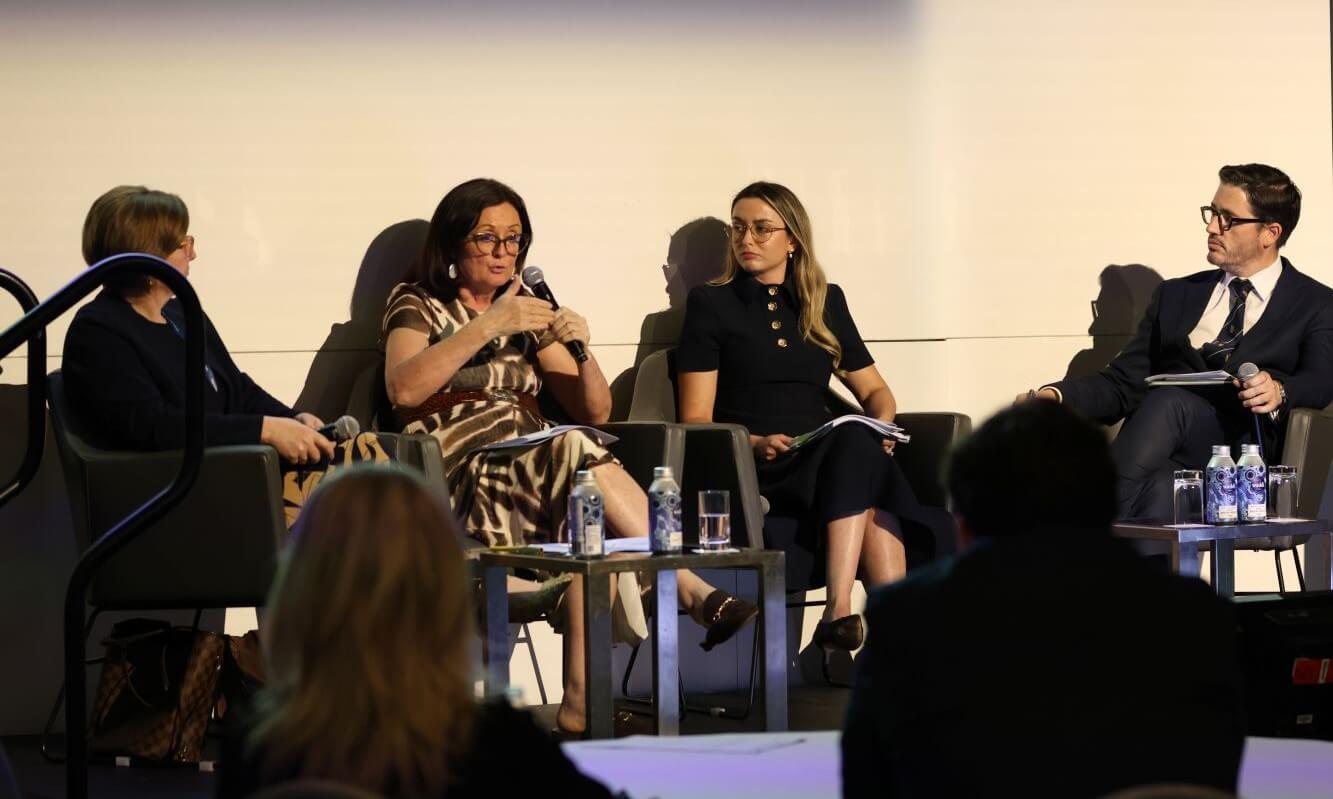
“Our work takes place across a number of forums including internal committee meetings to interrogate issues and discuss perspectives, stakeholder meetings with government departments, courts and industry groups to discuss proposals for reform and, at more formal settings, such as at public hearings for inquiries run by parliamentary committees where we appear as witnesses.”
The policy team knows the law‑reform process is a marathon, not a sprint with persistence and resilience at its heart of these dedicated committees.
“Reform can occur over many years, starting from a discussion paper released by a government department or agency,” Kate said.
“QLS will make a submission responding to this paper and will often meet with departmental officers to discuss the policy proposals (there is sometimes a further options paper to respond to).
“A next step may be the release of an exposure draft bill that QLS will also make a written submission on before it is introduced into Parliament and we participate in the committee inquiry process which requires preparing another written submission and appearing at a public hearing to answer questions from members of parliament who sit on these committees.
“Even when legislation is passed, we assist other QLS teams to inform members of the new laws and sometimes work with the relevant government department on supporting subordinate legislation and other implementation needs.”
Kate said each step in this process was important with committee member input vital in these stages.
“We need to raise our issues at the policy development stage, but then also ensure the legislative drafting reflects the policy intent and does not create any unintended consequences,” she said.
“This is where our committee members play a crucial role. Through their expertise and experience in relation to the specific policy issue and possible effect of any change, QLS is able to demonstrate our value as a trusted stakeholder.”
QLS Director Advocacy and Legal Policy Binari De Saram agreed wholeheartedly with Ms Brodnik’s reflections, saying: “Policy committees are the engine rooms of our policy work, driving insight, expertise and practical reform.
“The Legal Policy Team works closely alongside and in support of these committees, ensuring their contributions are effectively harnessed and translated into impactful advocacy,” she said.
“We are deeply grateful to our volunteers, whose time, commitment and professionalism underpin the strength and credibility of our work.”
In the 2024/25 financial year, the QLS advocacy team with assistance from committees made 161 submissions; attended 11 public hearings; received 156 requests for comment; undertook 150 stakeholder consultations; had 91 committee, subcommittee and working group meetings and received 93 mentions in Hansard.





Share this article