


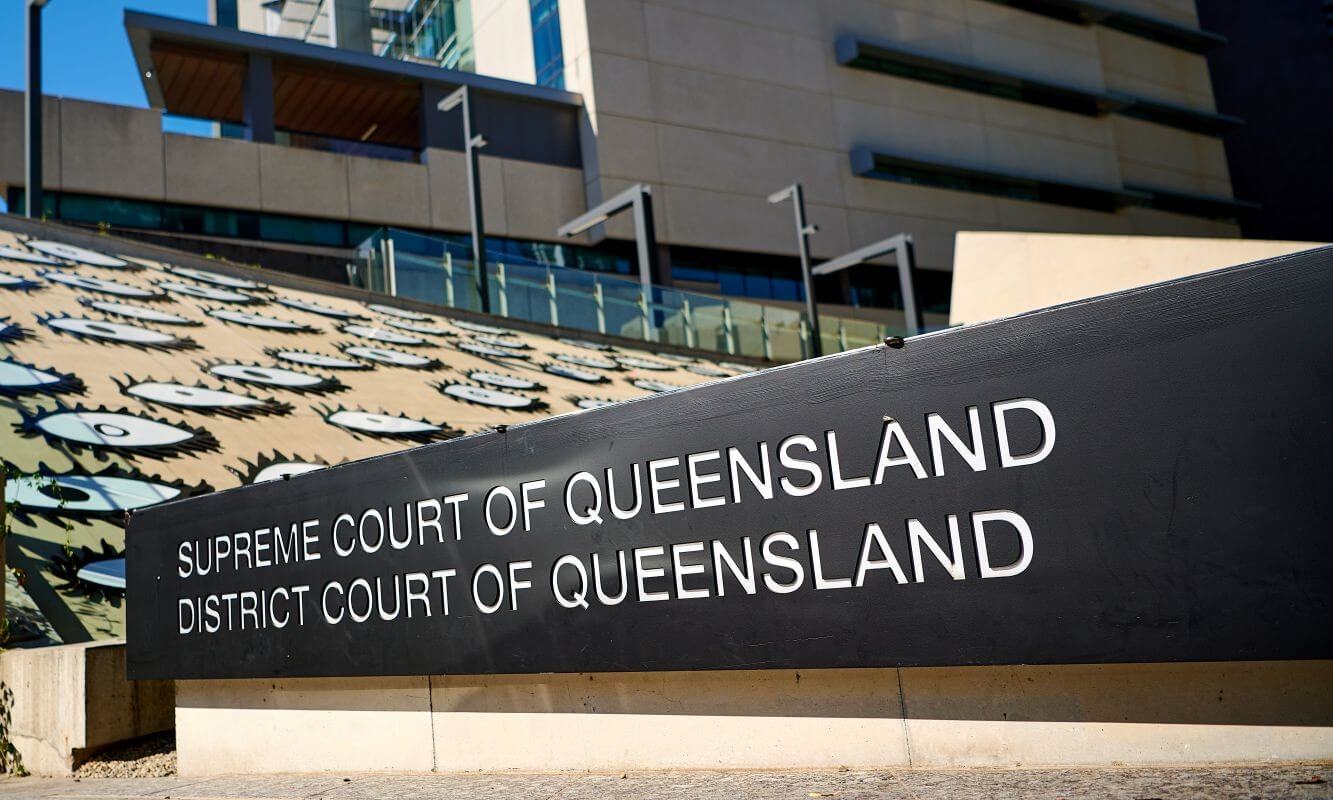
Bail applications in the Supreme Court of Queensland have surged for the second consecutive year, increasing nearly 27 per cent to more than 1300 in 2024-25.
Self-represented applicants made up about a quarter of all bail lodgements, according to the recently published Supreme Court of Queensland Annual Report 2024-25.
There were 1302 bail applications heard during the reporting year, up from 1026 in the preceding year, which the report notes was itself a notable increase on numbers in previous years.
Chief Justice Helen Bowskill, in her overview of the report, said the reasons for the increase in applications were unclear, although it may be linked to higher levels of police activity and charging, as well as increased rates of remand.
“Despite earlier speculation, the increase does not appear to be related to any overall increase in the rate of bail refusals in the Magistrates Court,” the report said.
Bail applications continue to make up a significant proportion of the Applications jurisdiction’s workload, with Chief Justice Bowskill noting that consideration is now being given to changing the way in which these applications are managed and heard.
This is largely due to the “substantial” number of applicants appearing without legal representation.
“Data provided by the Office of the Director of Public Prosecutions suggests that about one-quarter of bail hearings involve self-represented applicants. This can result in difficulties, and adjournments, due to deficiencies in the evidence relied upon,” she said.
“I reiterate, as I have in previous years, that the assistance previously provided to self-represented applicants by organisations such as Caxton Legal Centre and Sisters Inside, when their bail assistance programs were funded, was valuable and worthwhile.
“The resumption of programs of this kind would be welcomed by the Court.”
Outside of bail matters, the annual report highlights the overall workload experienced across the Court’s jurisdictions.
In the criminal jurisdiction there were 1626 lodgements across the reporting year, compared with 1604 for the 2023-2024 year.
The trial division disposed of 1627 cases and finished the year with 651 outstanding matters, a slight improvement on the 659 outstanding cases at the end of the previous year.
Most matters progressed within expected timeframes, while 19 per cent of outstanding criminal cases were more than 12 months old, from the date of presentation of the indictment, and 4.8 per cent were more than 24 months old.
The Court attributed longer delays in some matters to retrials ordered on appeal and referrals to the Mental Health Court.
The report highlights that a number of homicide offences remain in the pre-committal stage in the Magistrates Court due to delays associated with DNA testing and analysis.
Once those delays begin to resolve, the Supreme Court expects a corresponding increase in criminal work.
The report also noted active case management undertaken by the Resolution Registrar (Crime) in accordance with Practice Direction 5 of 2024 has been of “significant benefit” to the efficiency of criminal proceedings in the Court.
“It is hoped that funding will be made available to make this a permanent position, following the completion of the pilot,” the report stated.
Activity also increased in the civil jurisdiction, with 3720 lodgements recorded, up from 3526 in the previous year. The Court disposed of 3394 civil matters, ending the year with 4048 outstanding cases.
Of those outstanding matters, 30.5 per cent were more than 12 months old, and 9.8 per cent exceeded 24 months.
In the Court of Appeal, a total of 447 matters were started, 294 of which were criminal matters and 153 civil matters, a slight increase on the previous year. The Court finalised 468 matters, an increase from 413 matters finalised in the previous year.
Of the 283 outcomes in Court of Appeal matters (criminal and civil) in 2024–2025, 21 per cent involved a self-represented litigant, down from 30.4 per cent the previous year, while success rates also declined (from 10.2 per cent down to 3.7 per cent for criminal appellants, and 10 per cent to 8.8 per cent for civil appellants).
There were 32 special leave applications to the High Court of Australia from the Queensland jurisdiction (18 civil and 14 criminal), with one application granted.
The most common offence types lodged in the Supreme Court by way of indictment are drug offences (76 per cent), followed by assault (four per cent), weapons and explosives offences (four per cent) and sexual offences (four per cent).






Share this article