



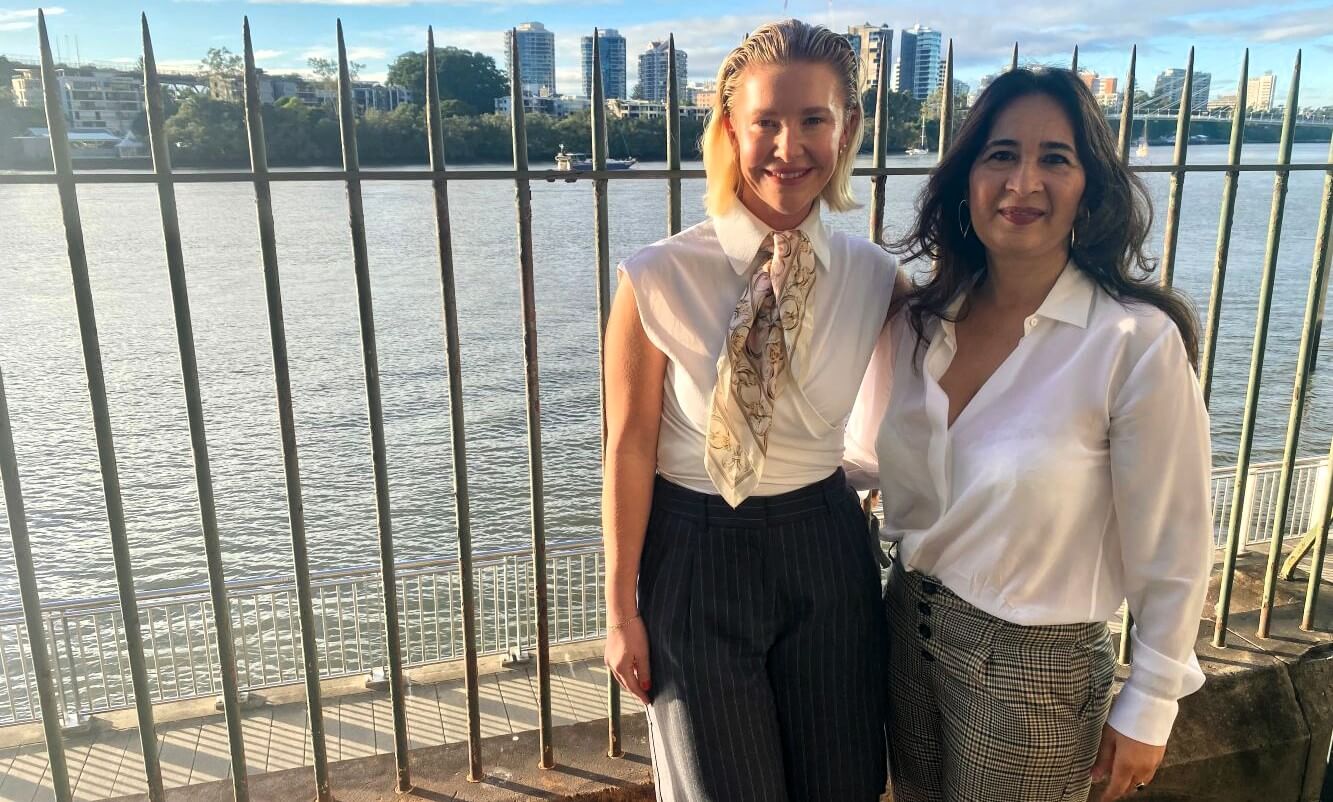
Small and sole practitioners were encouraged to know their niche by the panel at yesterday’s Queensland Law Society Breakfast Series event in Brisbane.
C Legal founder and Principal Lawyer Claire Styles, Foundd Legal Director Rizwana McDonald and Take Control Legal Principal Solicitor Anna Morgan, who chaired the panel, shared their thoughts on marketing strategies, business models, AI and wellbeing at the Customs House event.
Ms Styles said when she started her practice, she wanted to be general lawyer and “not put in a box”.
“Like ‘don’t put baby in the corner’, I was really very clear on not wanting to niche,” she said.
“But as each year went on, there was work I didn’t like doing. So why am I doing that? There’s work that I’m not leveraging. So why am I doing that?
“Find the areas you really are passionate about, so you do get joy in your job. You are in control of the work that you want to do, and I think that’s really empowering. And then backing that up with the strategy. Niching is all about the strategy.”

Ms Styles said strategy should also include reviewing your marketing.
“It might not be 100 per cent reflective of that, but if you can niche and market that way, you are going to capture that audience,” she said.
“And then looking at your branding and your personal branding and your presence on social media, all of those things matter, especially today.
“And fail fast. We have that opportunity. We don’t have any red tape. We’re the boss, right? So if you want to try something, try something.
“Don’t sit there and think, ‘I think this might be a good idea to try’. And then you sit on it and you mull over it. And we are all overthinkers here, I’m pretty sure.”
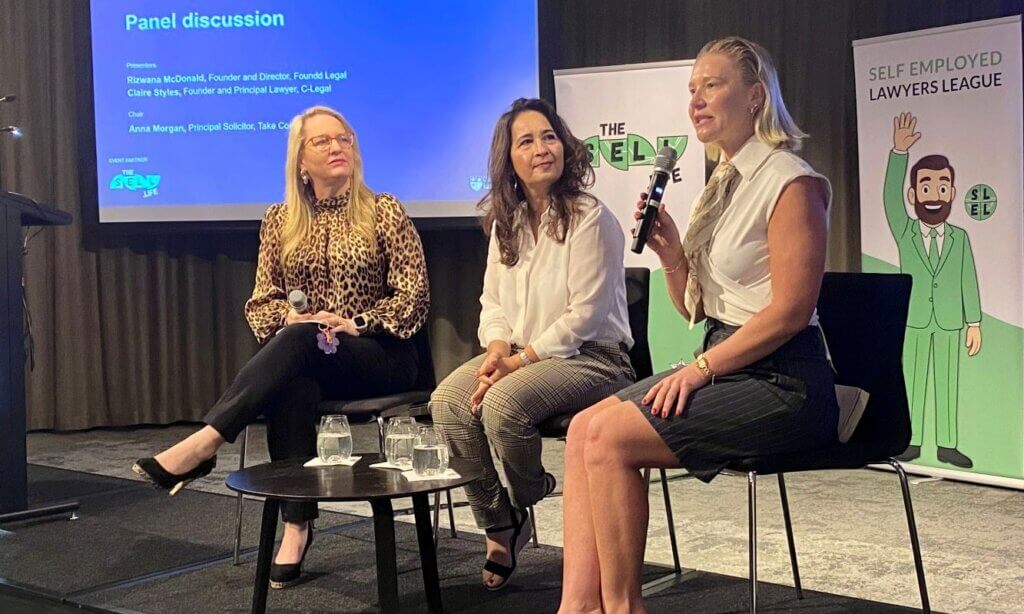
Ms McDonald encouraged the attendees not to follow traditional law firm models.
“Innovation is not just about technology or AI or any of those things, they all work together. It’s about doing the law differently, looking at how you want that business to be,” she said.
“I didn’t leave the corporate world to be miserable. But I also obviously need the money.
“So I looked at technology, I looked at automations, I looked at processes and the kind of law I wanted to practise and that I enjoy, and combining all of that and looking at and packaging what I do differently.
“So I’m constantly looking at different ways to innovate, and innovation could be taking on AI as well.
“Don’t be afraid of it. You know, look at what’s going to work for you and not one-size-fits-all.
“But I do think that doing law differently can mean that utilising that innovation, utilising all the new technologies that are coming across, and looking at how you can package your services so it’s not time for money, it’s different.
“And trying to think outside the box around those deliverables as well, and that also you know, makes you feel joyful when you go to work as well.”
Ms McDonald encouraged the attendees to identify their audience and what platforms they were using, which would allow them to craft a strategy for each channel. She calls her niche “creatives” (graphic designers, web designers, course creators) and targets these clients and attends the events they go to.
“That means my money is working hard with the right kind of people, I’m attracting the right kind of people and it’s working,” she said, also suggesting sponsoring targeted events.
“So I’m not wasting my marketing money on clients I don’t really want to work with or I’m not going to serve as well because I’ve got a particular niche that I’ve developed.
“You become really almost an expert at exactly that thing and you can do that work and deliver that work in a very specific way.
“So when you’re putting together those, you know, automations and processes, it works really well.
“You’re not chopping and changing for different types of clientele. For me, niching really works and it’s targeting specific clients and not wasting my marketing money as well.”
Ms Styles agreed with Ms McDonald in challenging existing business models and the importance of making connections and collaborating in the profession.
“I think the biggest thing is sit back and look at your business model and look at where you can leverage and what you can add to your practice,” she said.
“You put on your hat as a business owner, not as a lawyer. And I think that’s a skill that we all as lawyers need to, we all need to be practising that skill, especially as sole practitioners and people that run the micro to small practices.
“Connections, especially as a sole and small business owner, it is so key to have those moments.
“There’s opportunities everywhere to collaborate. And I think having an open mind with collaboration, there’s enough work for everyone, we’re not here to compete with each other – you know it’s so exciting.”
Ms Morgan urged the audience not to close off options and look at non-traditional ways of operating such as not having a physical office.
“I think it’s important to not discount opportunities, like not going on autopilot, and ‘this is we’ve always done law and so this is how I must do law’,” she said.
“And not every law firm will be the same, particularly if you’ve got staff that need to have a physical spot or can’t, (or) don’t work well remotely.
“There’s obviously horses for courses, but again, the shift is another way of that innovative thinking.”





Share this article