



One of Australia’s most closely watched unlawful termination cases has delivered significant lessons for employers, employees and lawyers alike.
The Federal Court decision in Lattouf v Australian Broadcasting Corporation pitched the national broadcaster against journalist Antoinette Lattouf, placing employment law, particularly protections around political opinion and social media use, into the national spotlight.
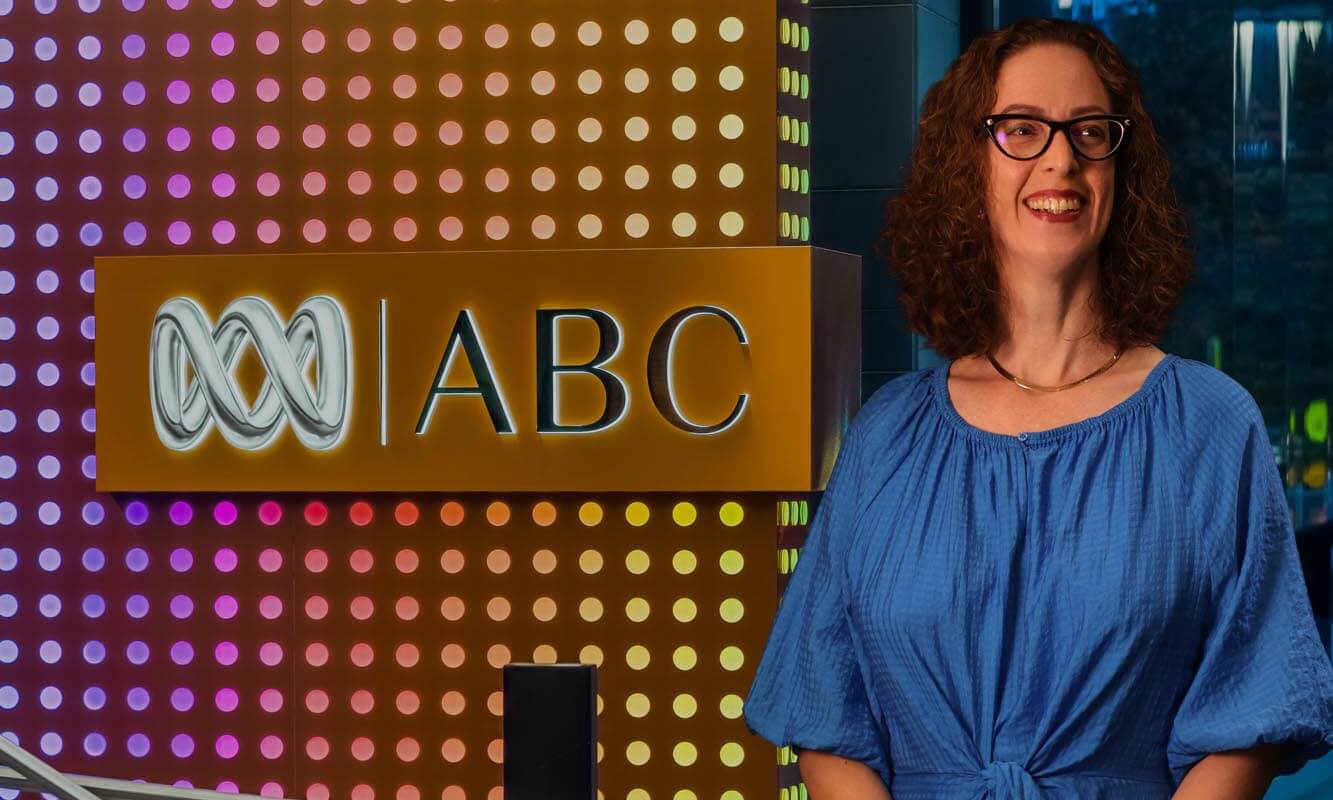
In this episode of The Callover, host Georgia Athanasellis speaks with Shannon Chapman, Partner in Workplace Relations and Safety at law firm Lander & Rogers, to discuss the ruling and its broader implications.
With nearly 20 years’ experience in employment, industrial relations and safety matters, Ms Chapman outlines the background to the case, the court’s reasoning and what the decision means in practice.
Key warning for employers
Ms Chapman says the case highlights a critical risk for employers defending general protections and unlawful termination claims – particularly those involving a reverse onus of proof.

“The key thing is to be very careful to identify all decision makers,” she says.
“That’s not just the people who appear to be decision makers on paper, but anyone who had a substantive or operative impact on the decision being made.”
Failing to call evidence from all relevant decision makers, she says, can be fatal to a claim.
“Ultimately, you will lose a case with a reverse onus if you don’t call them.”
Challenges for employees bringing claims
On the employee side, Ms Chapman says the case underscores the importance of clearly establishing the basis on which adverse action is alleged to have been taken.
“One thing evident in this case is that Ms Lattouf wasn’t able to satisfy the first hurdle for all of the protected attributes,” she says.
Before the evidentiary onus shifts to the employer, she explains, employees must first establish a sufficient connection between the alleged conduct and a protected attribute.
“There’s important work to be done initially. You have to make sure you’ve done everything you can to clear that first hurdle.”
Penalties and compensation
The case resulted in two separate decisions on compensation and penalty.
Justice Rangiah awarded Ms Lattouf $70,000 for non-economic loss, relating to pain and suffering. A later decision imposed a further penalty of $150,000 for breaches of the Fair Work Act and the ABC’s enterprise agreement.
The court found the broadcaster had failed to follow its own disciplinary processes, determining Ms Lattouf had effectively been summarily dismissed. The penalty was paid directly to her.
Ms Chapman says the figures sit toward the higher end of recent awards.
“We’re seeing a general uptick in damages across discrimination and employment-related cases,” she says, including higher compensation and, in some cases, reinstatement.
Lessons on social media conduct
Ms Chapman also points to broader lessons for professionals – particularly lawyers – navigating social media.
“We have to be really conscious of how we conduct ourselves online,” she says, including interactions with colleagues and what is shared on professional platforms such as LinkedIn.
While social media use is not discouraged, she says professional obligations still apply.
“As lawyers, we’re entrusted with confidential information and have stringent duties around that,” she says.
“And out-of-hours conduct isn’t a free-for-all – if your online activity has implications for your employer’s reputation, it can still land you in hot water.”
Listen to this episode of The Callover now.





Share this article