

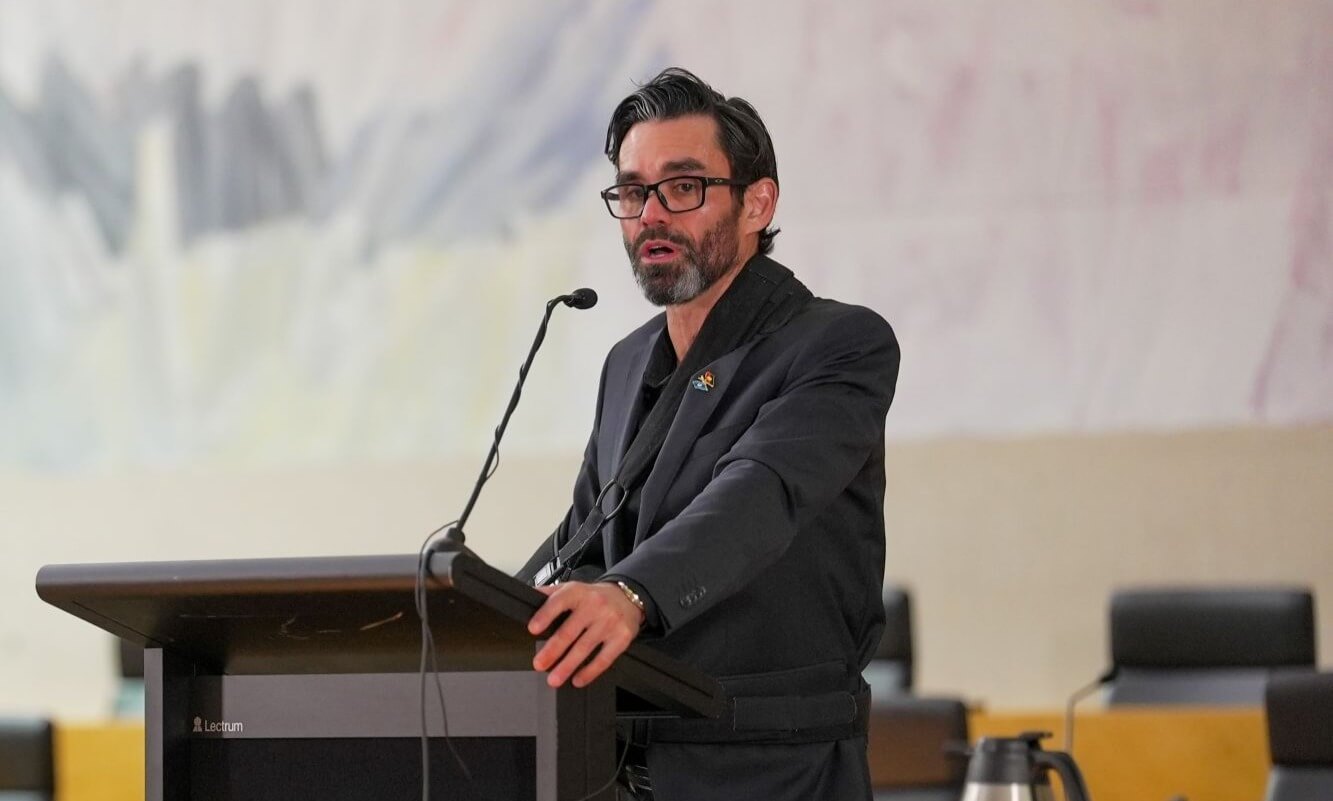
Supreme Court Justice Lincoln Crowley chose mentoring as a topic when he delivered the Annual Mullenjaiwakka (Lloyd McDermott) Oration – perhaps not surprising given His Honour was fortunate enough to have been mentored by the late trailblazer.
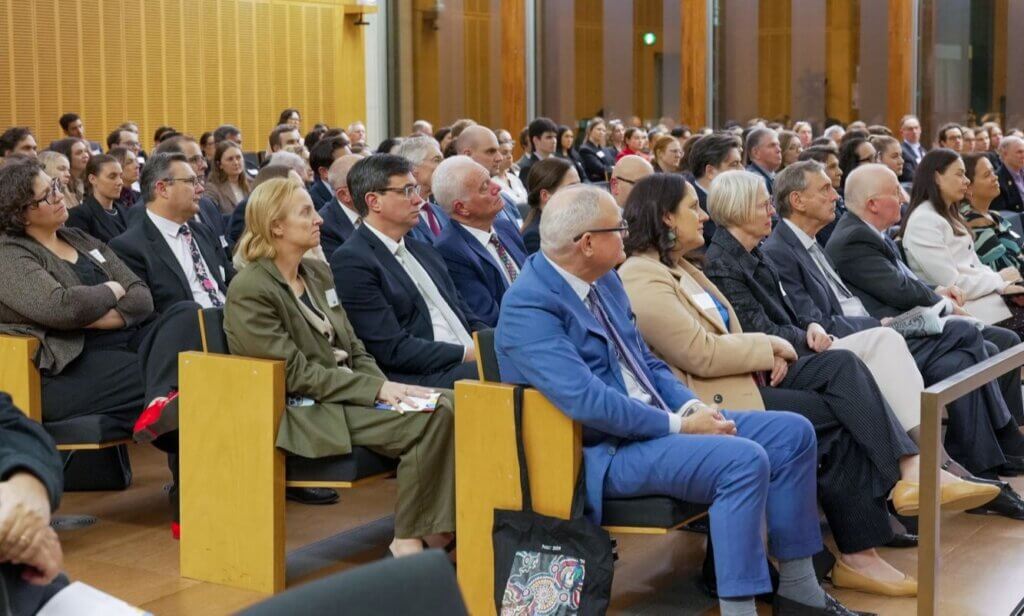
At the Banco Court on June 25, His Honour spoke fondly of Mullenjaiwakka, reflecting on the selflessness and generosity of Australia’s first indigenous barrister in blazing a trail for he and First Nations lawyers.
It was the support of Mullenjaiwakka, who passed away in 2019, that was crucial to the Charters Towers-raised lawyer becoming the first Indigenous judge appointed to a superior court in Australia four years ago.
Justice Crowley said it was never his intention to be first.
“That was not an accolade that I coveted,” he said.
“Moreover, it was hard to believe that it took until 2022 before such an appointment happened. It was long overdue and a matter of regret that it had taken so long.

“Also, no black fella wants to be the first to get up in public to do anything.”
He said he was sure Mullenjaiwakka experienced similar thoughts throughout his life.
“He was a pioneer who achieved many firsts himself but all the while doing so with dignity, humility and never forgetting the importance of who he was and where he came from, and how he could help other young indigenous Australians to be more and to achieve more,” he said.
Justice Crowley said he first met Mullenjaiwakka via accessing the NSW Bar Association’s Indigenous Barristers Trust, the Mum Shirl Fund, which provides funding for indigenous solicitors to become barristers.
“He took every opportunity to promote young Aboriginal and Torres Strait Islander lawyers and to encourage us to take every opportunity on offer, or make one if there was none on offer,” he said.
He said Mullenjaiwakka was very supportive of the small cohort of indigenous barristers at the Sydney bar, which included Queenslander Tony McAvoy SC, the first indigenous barrister to be appointed silk in 2015 (and who delivered the 2023 Oration).
“Lloyd often boasted that the indigenous Sydney bar was full of Murris from Queensland,” he said
“He used to say, ‘It must be something about being tougher north of the border’.
“The more likely reality was that it was the influence and leadership of Mullenjaiwakka himself. That he had come first before others, and had opened the door of opportunity and done his utmost to keep it open by welcoming, guiding, supporting and mentoring the next generation.
“He never stopped wanting to contribute his knowledge and time, particularly to help others.”
Justice Crowley said Mullenjaiwakka was many things, including a Wallaby rugby union player, and a jazz guitarist, but above all, he was a mentor.
“Mentors are vitally important for all young professionals. Amongst other things they allow junior practitioners encouragement and career guidance facilitate access to professional networks,” he said.
“Mentors are particularly important for First Nations lawyers and law students. Not only for the reasons I’ve mentioned – the right mentor can also be a role model and an inspiration, and that’s who Mullenjaiwakka was to many of us.”
His Honour explained how when he approached the end of his law degree, he didn’t feel there was a place for him in the law or in the profession.
“I didn’t know any lawyers, I had no connections in the law, I didn’t particularly like my fellow law students – it seemed to me to be a bit of a club or a clique of which I was not a part,” he said.
“Many of my fellow graduates seems to be related to a judge or a partner in a law firm and already have a smooth path into the law as a career laid out.
“Plus, I had no money, and my family had no money to spare, either, so I needed to find some way of supporting myself.
“It didn’t seem that getting a job as a junior lawyer was going to change that any time soon. It all seemed unrealistic and unachievable.”
After a stint in the public service, Justice Crowley completed his legal training and received a career boost from renowned lawyer and indigenous advocate Paul Richards.
After working at ATSILS and at the Crown Solicitor’s Office, Mr McAvoy introduced him to Mullenjaiwakka who was part of a group of barristers linked to the Mum Shirl Fund.
“Tony had been mentored by Mullenjaiwakka and each of these others, all of whom subsequently became my mentors,” he said.
“Not only did they convince me that I should go come to the bar without further delay, but once I did, they provided me with ongoing advice and support.
“Most importantly, they gave me an immediate, powerful network with far-reaching influence and influential access to others within the profession.”
Justice Crowley became a barrister with their support and encouragement, and financial help from the Mum Shirl Fund.
“I could not have paid for the bar exams and the bar practice course, and the robes, without it,” he said of the fund.
“It was a major financial impediment that had stood in the way of me coming to the bar and it remains so for many young Aboriginal and Torres Strait Islander lawyers who have hopes of becoming a barrister.”
In his first year at the bar, Mullenjaiwakka was a strong support and inspiration
“He was not a silk or a judge, but he was an Aboriginal barrister, the first ever, and he’d made a successful career at the bar over many years of practice, away from home and in the biggest city in the country,” His Honour said.
“All of those senior barristers, although they were committed and they supported everything that was to be done by the Trust, Mullenjaiwakka had real skin in the game.
“He wanted to see more Aboriginal and Torres Strait Islander lawyers coming to the bar because he knew from first-hand experience that each such addition was much-needed progress towards equality and overcoming the discrimination and disadvantage faced by First Nations people.
“I looked at him, what he’d achieved at the bar, saw what he’d done to help Tony get a start, and it gave me the confidence that I could do this, too.”
Mullenjaiwakka also helped Justice Crowley choose and connect with the best tutors.
“All of this assistance, guidance and support was invaluable to me when starting at the bar. I don’t think I would have survived, let alone succeeded without it,” he said.
“And, as is the way with mentoring, small acts and efforts of a mentor produce exponentially greater outcomes and benefits for the mentee.”
To conclude his presentation, Justice Crowley reflected on the significance of his appointment to the Supreme Court.
“I feel part of a continuum of progress for First Nations people that extends back over the past 50 years and beyond, and I feel an obligation to tell my story perhaps so that others might imagine that they too can follow a similar path, if that’s what they choose to do,” he said.
“Those who came first shouldered the greatest burden. They opened the door of opportunity for successive generations. It was through their courage, strength and determination … that others such as myself, have had an easier path to follow.
“For those young indigenous lawyers and law students out there thinking about going to the bar, don’t delay.
“And know that when you do it, you will have the support, you will have the mentors, and you will have the strength of those who’ve come before you to carry you forward on the momentum that they have built.”
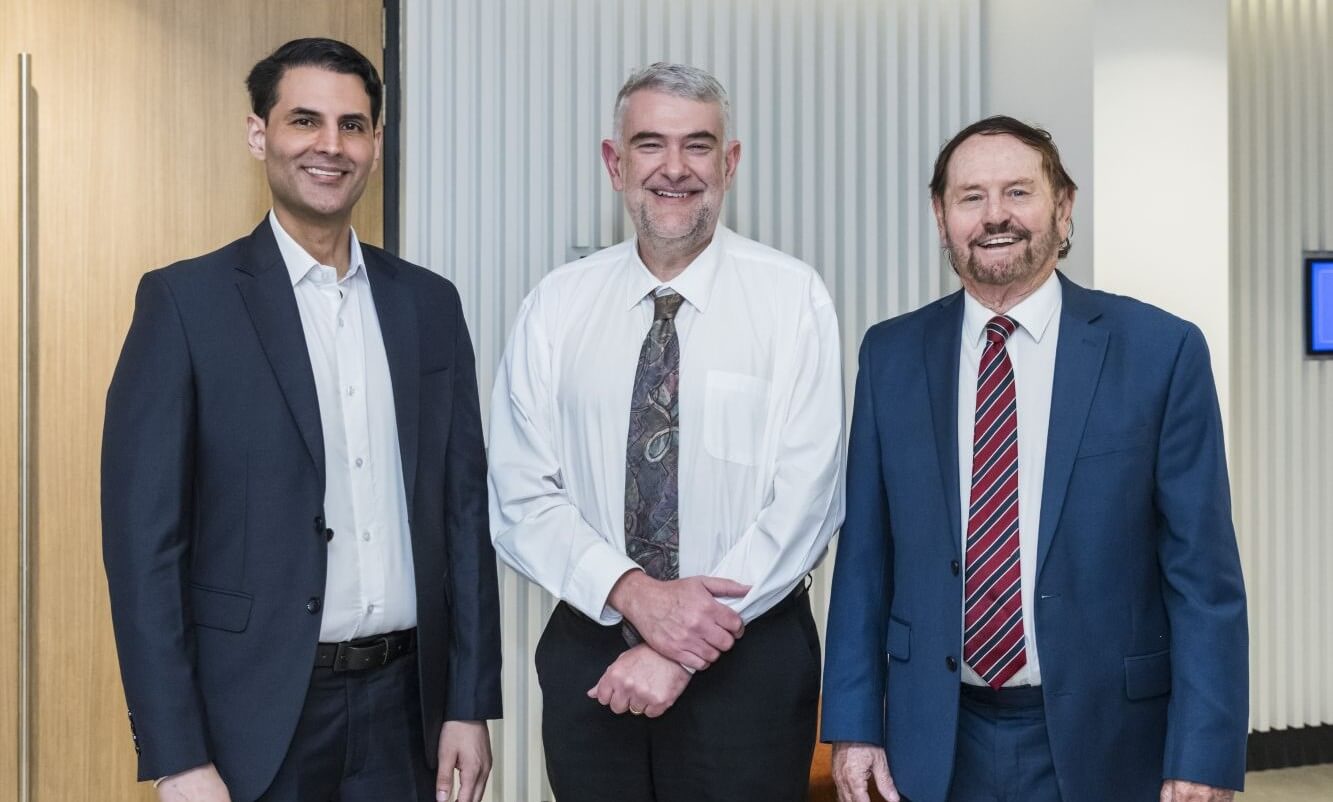
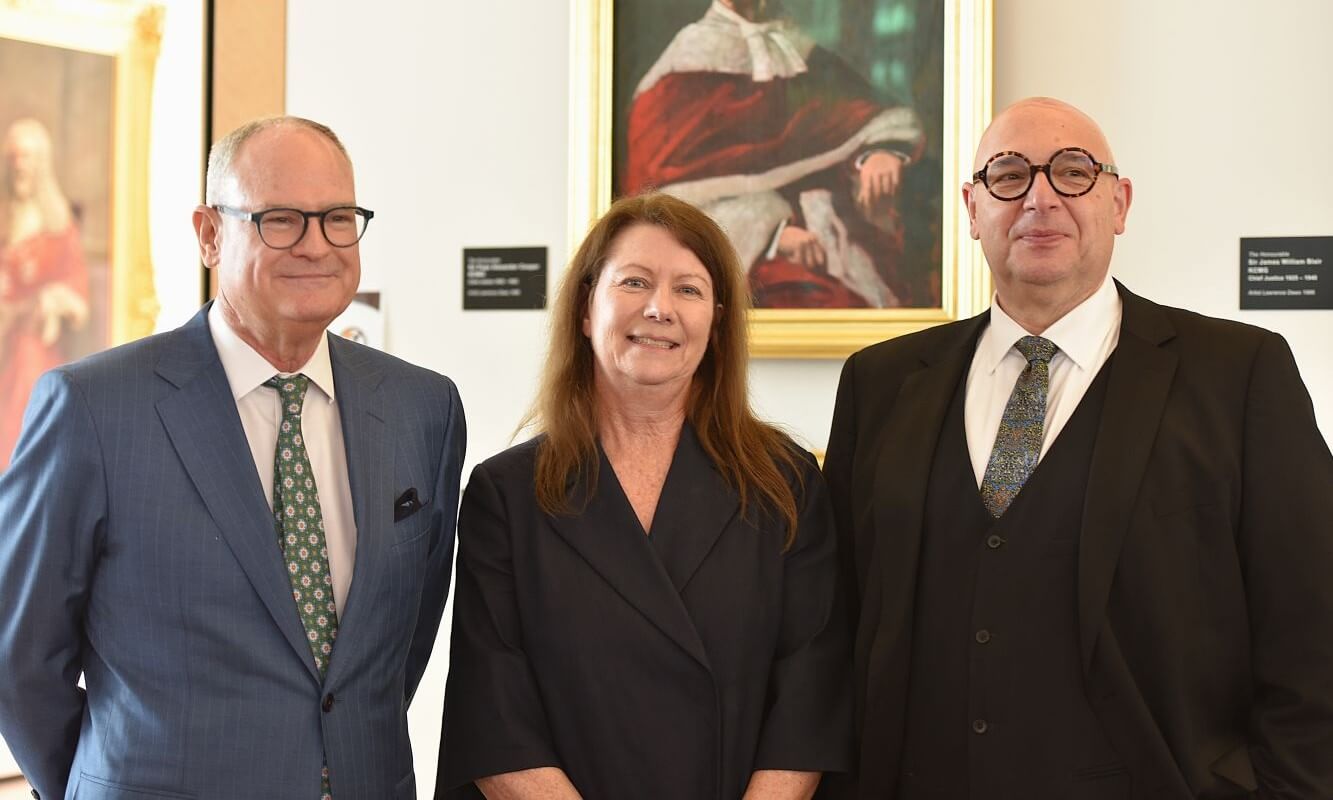
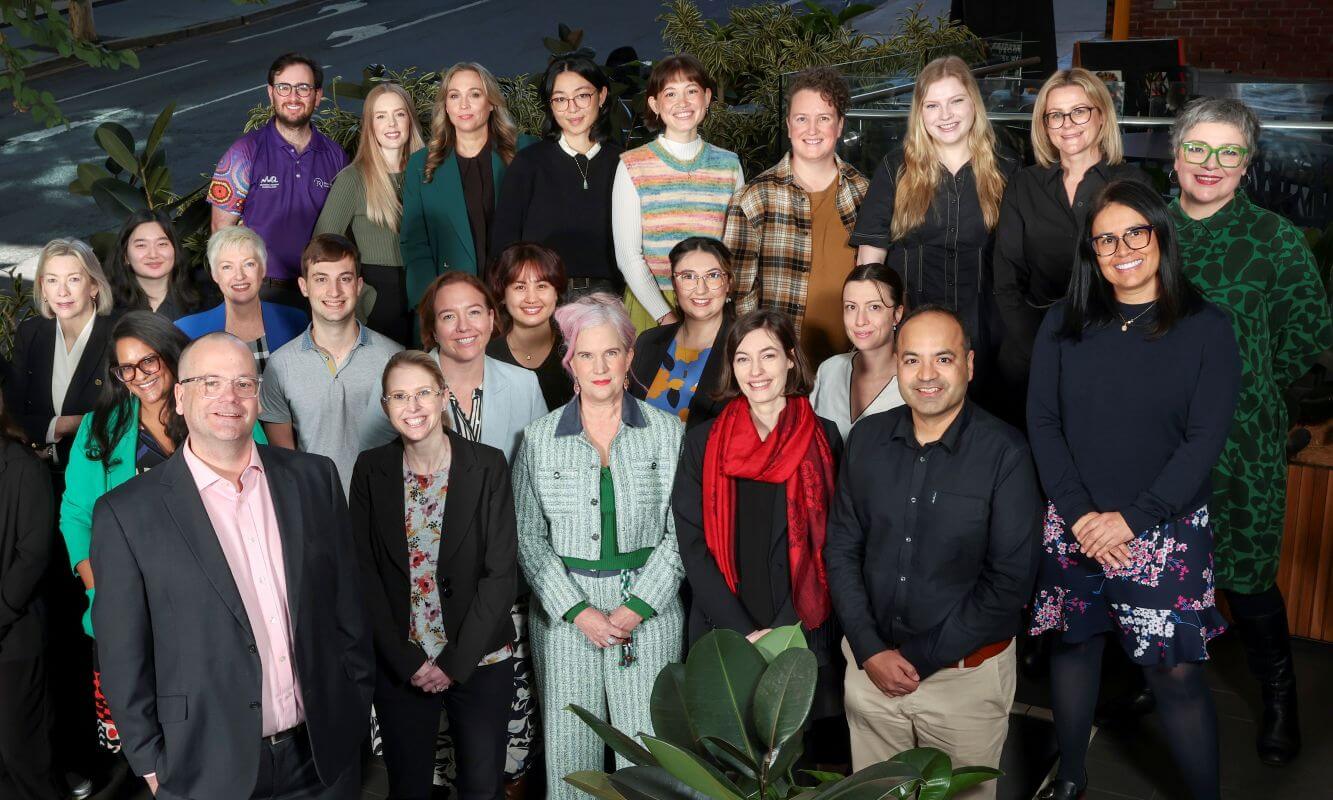
At the end of the presentation, Bar Association President Cate Heyworth-Smith KC accepted a cheque from the Young Indigenous Lawyers for $31,500, raised from the past three annual orations, for the Mullenjaiwakka Trust, which offers financial support to First Nations solicitors to become barristers.




Share this article