

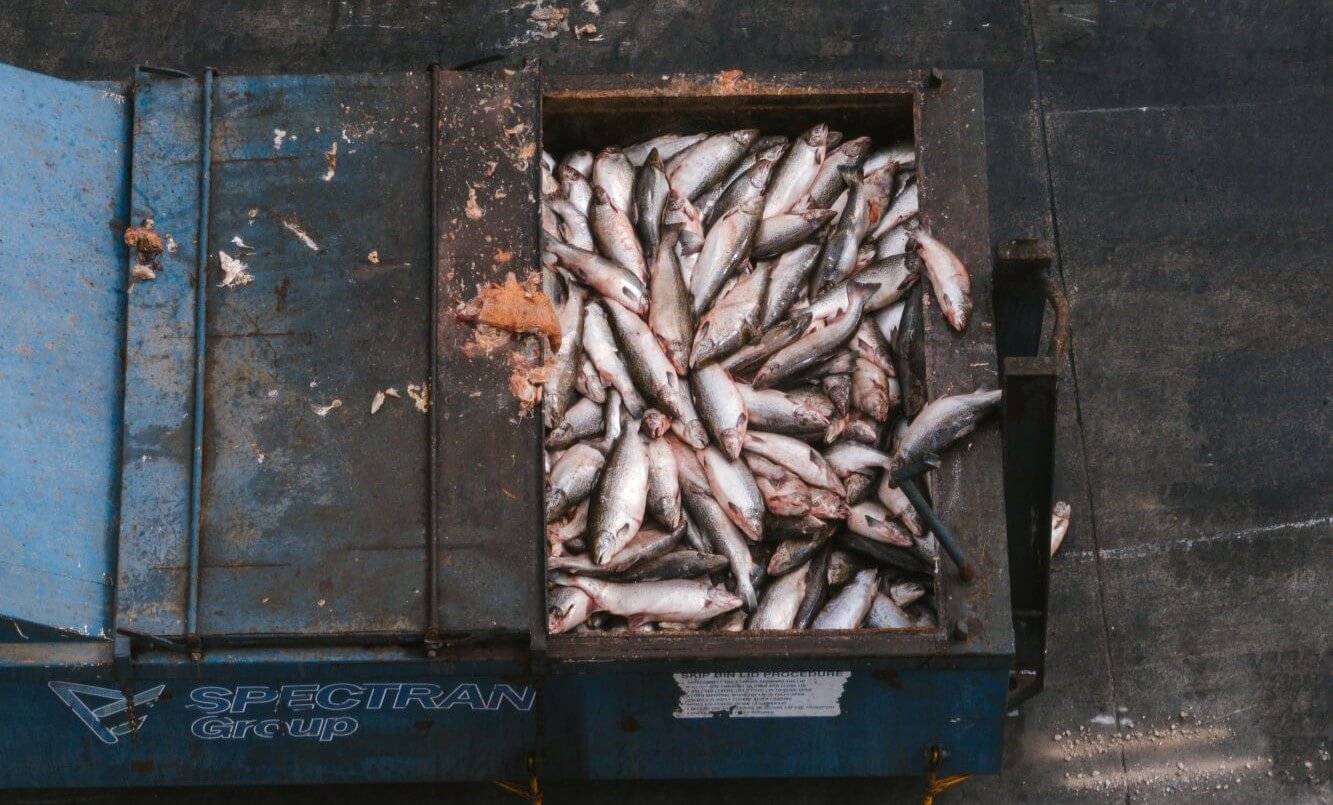
A national animal protection organisation is using animal welfare laws in a novel legal bid to prompt an investigation into Tasmania’s controversial salmon farming industry.
Animals Australia (AA) has lodged two formal complaints with Biosecurity Tasmania, seeking the investigation and enforcement of alleged breaches of the Animal Welfare Act 1993 (Tas) by aquaculture companies Huon Aquaculture, Tassal Group and Petuna Aquaculture.
Biosecurity Tasmania, in the Department of Natural Resources and Environment, is the statutory authority responsible for administering and enforcing the animal welfare protections established by the Act.
AA’s complaints allege that the companies have engaged, and are continuing to engage, in conduct that contravenes sections 6 (duty of care to animals), 7 (management of animals), 8 (cruelty to animals), and 9 (aggravated cruelty) of the Act in their management and treatment of farmed Atlantic salmon in their aquacultural facilities across Tasmania.
AA Legal Counsel Shatha Hamade said there had been no meaningful or appropriate statutory investigation of practices and incidents that presented prima facie evidence of criminal offending under the Act.
“Salmon in Tasmania’s factory farms have been suffering and dying in large numbers for years,” Ms Hamade said.
“Yet for all the attention this industry has attracted – disease outbreaks, mass deaths, the impact on seals, dolphins and seabirds – it has only ever been scrutinised through the lens of the environment,” she said.
“Its effect on the animals themselves – the salmon – has never been tested against the very legislation written to protect them, until now.”
Data from Tasmania’s Environmental Protection Authority shows at least four million salmon died prematurely at the state’s fish farms in 2025.
Ms Hamade said salmon were protected by the same law that protected dogs, cats and other animals from cruelty and unreasonable suffering.
“If four million land animals – say cattle – died prematurely in this manner, there would be outrage. There would be regulatory intervention,” she said.
“A salmon experiences the world in ways we may never fully understand. Yet their capacity to suffer, their instinct to avoid harm, and their desire to experience life as intended, are no less important because they exist in a world so foreign to our own.”
The AA complaints alleged criminal cruelty offences including intentional mutilation through fin-clipping; prolonged starvation; and the causing offoreseeable pain, suffering and death through crowding, inhumane slaughter, and failure to diagnose and treat disease.
They pointed out that Tasmania had not adopted any code of practice or welfare standard that exempted, qualified or modified the application of the Act to salmon farming.
Dated 24 August, the complaints requested confirmation within 14 days that Biosecurity Tasmania had begun a formal investigation under the Act.
Salmon Tasmania, which represents the companies, said on social media that the claims were “nothing more than recycled and false allegations made by an organisation which has a stated goal of shutting down salmon farming”.
“Like any primary producer, Tasmanian salmon growers have a legal and ethical obligation to maximise the welfare of their animals,” it said.
“Growing and maintaining healthy animals is of paramount importance to producing a quality product, and growers take that commitment extremely seriously. No one cares more about the health and welfare of these fish than the people who farm them.
“Salmon growers are the most heavily regulated primary producers in the country. Fish health is managed by qualified veterinarians and dedicated fish health teams, and farms adhere to internationally recognised standards developed specifically for farmed Atlantic salmon welfare.”
Biosecurity Tasmania said the complaints were under consideration.





Share this article