



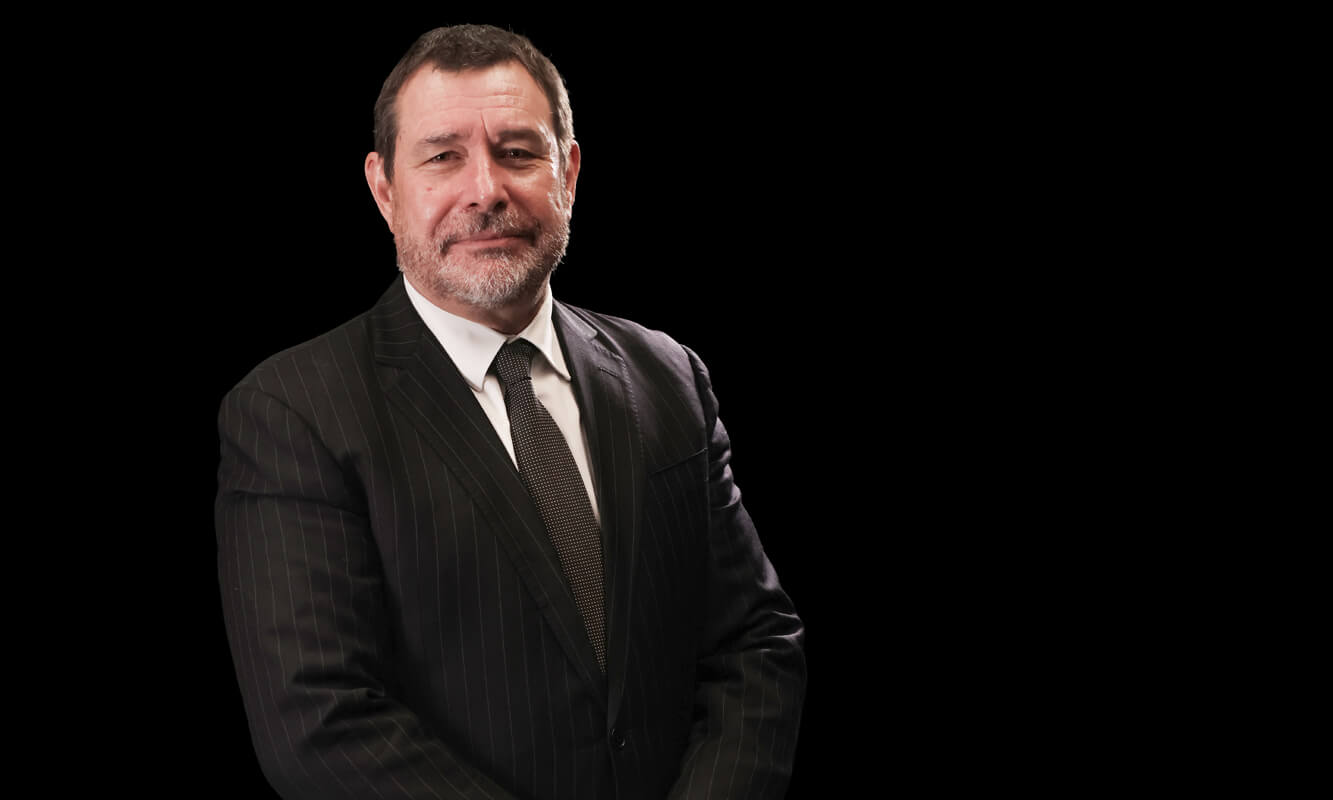
Forty years in the criminal justice system as a detective, solicitor, and now Deputy President of Parole Board Queensland has taught Peter Shields a few things about people and pressure.
In the latest episode of The Callover, Mr Shields sat down with host Georgia Athanasellis to reflect on a career spanning policing, private practice and now parole decision-making.
Their conversation follows his unusual path into law, lessons learnt from these different roles, and the toll (as well as coping mechanisms) that comes with decades of exposure to some of the criminal justice system’s hardest material.
Start in the law
Becoming a lawyer wasn’t a lifelong dream of Mr Shields. At 17, a family member’s light-hearted joke sent him toward the police academy instead of university.
“I said, I think I might join the police. And she said, ‘they won’t have you’. And I went, all right, it’s the police,” he said.

It wasn’t until his late 20s, when working as a detective, that the idea of a shift into the legal profession entered the picture, prompted by a senior sergeant’s intervention after a difficult shift.
“His way of dealing with it – ‘come with me, son’ – and took me to the police club. And it’s 4pm on a Tuesday afternoon. I’m looking around this bar, and I’m thinking, alcoholic, alcoholic, alcoholic,” he said.
“I’m not going down this path, so I’ve got to do something with my time.”
The “why” behind the advice
After study and qualifying as a solicitor, Mr Shields said he made a point as a criminal defence solicitor of walking clients through the legislation behind his advice, rather than just telling them what to do.
“I’d take Carter’s Criminal Code with me, and I would explain the party provisions to them … by explaining the law behind my advice to the prisoners, they were able to make more informed decisions,” he said.
“So I got a bit of a reputation around the prisons as someone who will explain things in a way that they understood … it’s also in the best interests of the community that people are pleading guilty to crimes that they’ve committed.”
The shock of the parole bench
Despite decades in policing and private practice, he said nothing quite prepared him for the scale of domestic violence offending he encountered on the parole board.
“I wasn’t exposed to the depths, breadth and barbarity of domestic violence offending which is prevalent in the community,” he said.
“That shocked me from the first month I started the board, and continues to shock me now. And please don’t ask if I’ve got the solution, because I don’t.”
He points to the High Court’s decision in Kozarov v State of Victoria (2022) as a touchstone for how he thinks about the psychological risks of the work and why he sought his own support early.
“I saw my GP and asked for a referral to a psychiatrist … I just want a very senior, old-fashioned type psychiatrist that will just let me talk … I speak to Judith probably every four to six months, and have been for the last nine years,” he said.
Mr Sheilds is candid about why that openness matters, particularly for those earlier in their careers.
“I’m not embarrassed to talk about it, because I think it’s incumbent on all of us. If we work in an area where you are exposed to traumatic material, it is going to upset you, it’s going to be stressful. But it’s only when we don’t deal with those stresses that things can unravel.”
His advice to a younger self
Asked what he’d tell himself starting out, Mr Shields kept it simple.
“Just back yourself, I think,” he said.
Listen to this episode of The Callover.







Share this article