



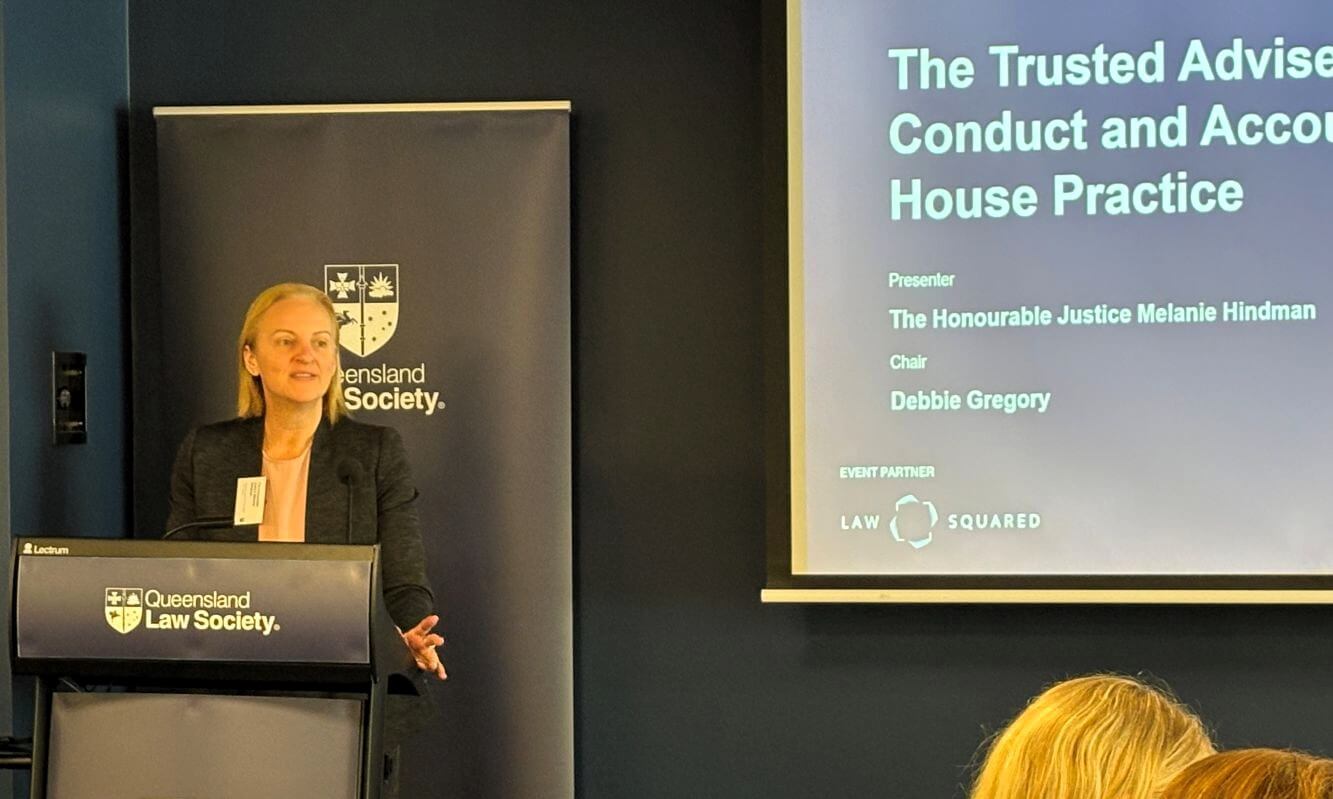
The Honourable Justice Melanie Hindman urged in-house lawyers to be “courageous” and protect their reputations in the face of commercial pressures, at the Queensland Law Society In-house Counsel Breakfast in Brisbane on Wednesday.
The Supreme Court judge addressed the final QLS in-house committee function for 2026 on the topic The Trusted Adviser: Ethics, Conduct and Accountability in In-house Practice.
Her Honour said in-house lawyers were in a unique situation compared to lawyers from firms or barristers at the private bar.
“Your client is also your employer and the pressures to act commercially are much more direct when you have only one client and that client also employs you,” her Honour said.
“More lawyers are going in-house and at the same time in-house lawyers are being asked to do more with less resources.
“But despite those pressures, you are a lawyer and your ethical obligations are the same as any other lawyer.

“Your paramount duty under Rule 3 of the Australian Solicitors Conduct Rules, which I’ll just refer to as the rules, is to the court and to the administration of justice, not to your client. But the way that you apply that duty in the in-house setting does present some unique issues.”
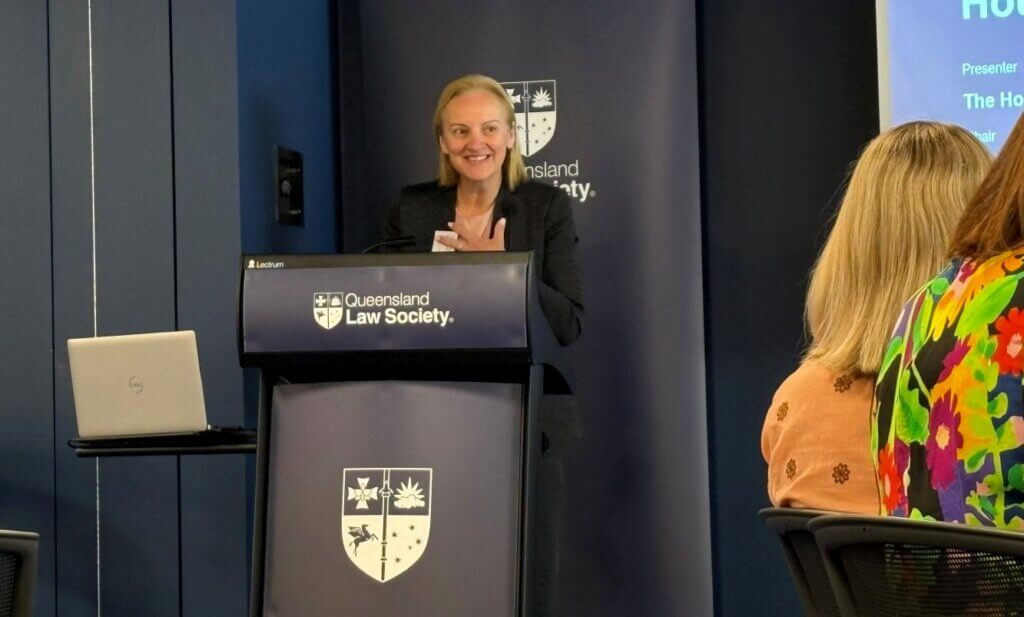
Her Honour told the audience it was important to be brave and ethical, and to avoid conduct that would leave practitioners vulnerable to criticism.
“If a professionally improper course is insisted upon, you cannot carry it out,” her Honour advised.
“Your ultimate duty is to the court and to the administration of justice.
“Now, usually, that duty coincides with acting in your client’s best interests, at least in their long-term interests, even if not in their short-term interests.
“Acting ethically can require a great deal of courage, especially in the face of pressure from senior management.
“But remember that your reputation and that of the legal profession as a whole depends on lawyers like you facing adversity with courage and resilience.”
Her Honour spoke about how practitioners might comply with that paramount duty and ethical obligations when confronted with imminent or ongoing litigation. Her Honour also presented a case study from Justice Lee’s 500-page judgment in ASIC v Bekier [2026] FCA 196 and recent Inquiry into The Star Casino.
The case study raised questions about legal professional privilege.
“Many of the documents that the Inquiry considered were not privileged and were later wrongfully withheld from the regulator when the regulator was making inquiries,” her Honour said.
“For in-house counsel, the lesson from that is, if you haven’t been to one of the seminars about legal professional privilege, get yourself there.
“But of course, your professional judgment when you’re looking at that issue must remain active.
“You can get into a familiar practice, of course. From day to day, we slip into habits, but that’s really not acceptable when you’re a lawyer.
“You have to maintain an active mind.
“If you make a mistake earlier, that has to inform the later decisions so you don’t make the same mistakes again. Seniority carries with it a particular responsibility to ensure that an organisation’s reliance on lawyers is justified.”
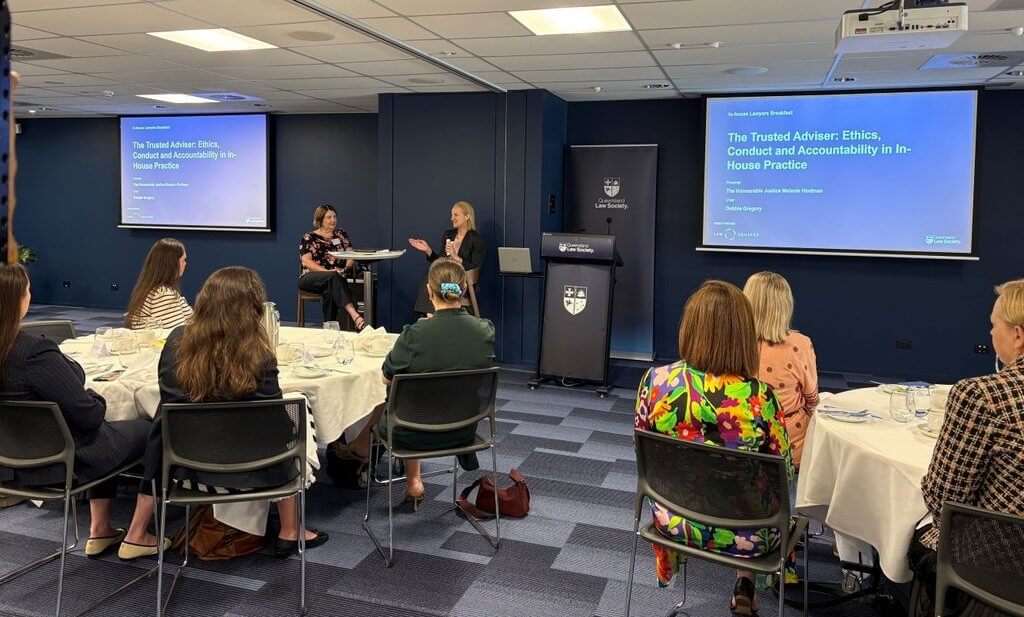
In taking questions from the floor, Justice Hindman said the decision revealed the reality that “a lawyer is a lawyer” and that those lessons could be applied to any in-house counsel.
“The conduct rules don’t say these are the rules for a senior lawyer, but if you’re a junior lawyer it’s okay we’ll give you a little bit of slack in it,” her Honour said.
“So even the first-year lawyer who might be at the firm; if they identified something that constituted unlawful conduct – the obligation is to act. It’s not to do nothing.
“Now I understand that a junior lawyer in a practical way isn’t going to go and call the chairman of the board.
“Of course you can in a practical way, you would be putting it up the chain and then making inquiries to see if it is going up appropriately.
“But it is entirely possible, if it is not being dealt with in an appropriate way, that that person is in a difficult position where if their practising certificate is going to be at risk, they might consider moving on, and whether they want to continue to work for a company of that nature.
“It is important to have courage to take those sort of issues through the chain and ultimately it’s about your reputation too.”
Her Honour was also asked for advice about when an in-house lawyer gave good, considered advice in the best interest of the client, but the board or executive team made a different decision.
“There’s no difficulty with that if it’s a commercial decision,” her Honour said.
“Boards can, like all clients, ignore the most sensible advice and do their own thing.
“What we’re concerned about here when we’re talking about ethics is unlawful conduct and things that fall slightly short of unlawful conduct, which might include misleading conduct.
“If the company is just making decisions that are within the scope of the law, but just are bad decisions or even morally irreprehensible decisions, that’s their business.”
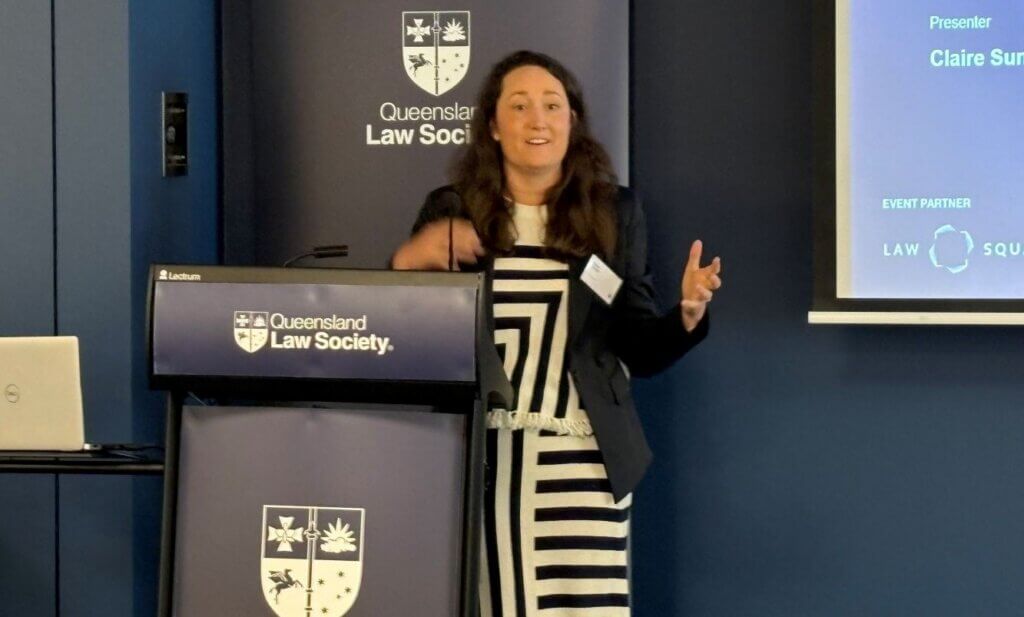
Event partner Law Squared CEO Claire Sundin had earlier advised audience members to build networks and reach out to people who sat in similar positions.
“I think that we know that in-house lawyers of course carry a really special kind of responsibility,” Ms Sundin said.
“We’re part of the business; we share its goals; we sit at the table … but of course no matter where in the world you sit, you’re also an officer of the court.
“These duties that we have as an officer for the court, of course, don’t bend to commercial pressures.
“Most of the days that we work, these two things sit comfortably: your duties to your client and your duties to your court. Although very occasionally, they don’t sit comfortably.
“And that’s when things, I think, as an in-house counsel become quite difficult and quite challenging.
“It’s in those moments that the title of this morning’s breakfast, being a trusted advisor, really, really matter. And of course, being trusted is not actually just about being right.
“It’s about being the person who will say things clearly, say them early, and of course, speak up and help find a way forward. We know that takes courage and also takes support.”






Share this article