



Proposed reforms to mining lease application laws should be amended to address concerns over reduced objection rights and the removal of automatic referrals to Land Court, Queensland Law Society representatives have told a public hearing.
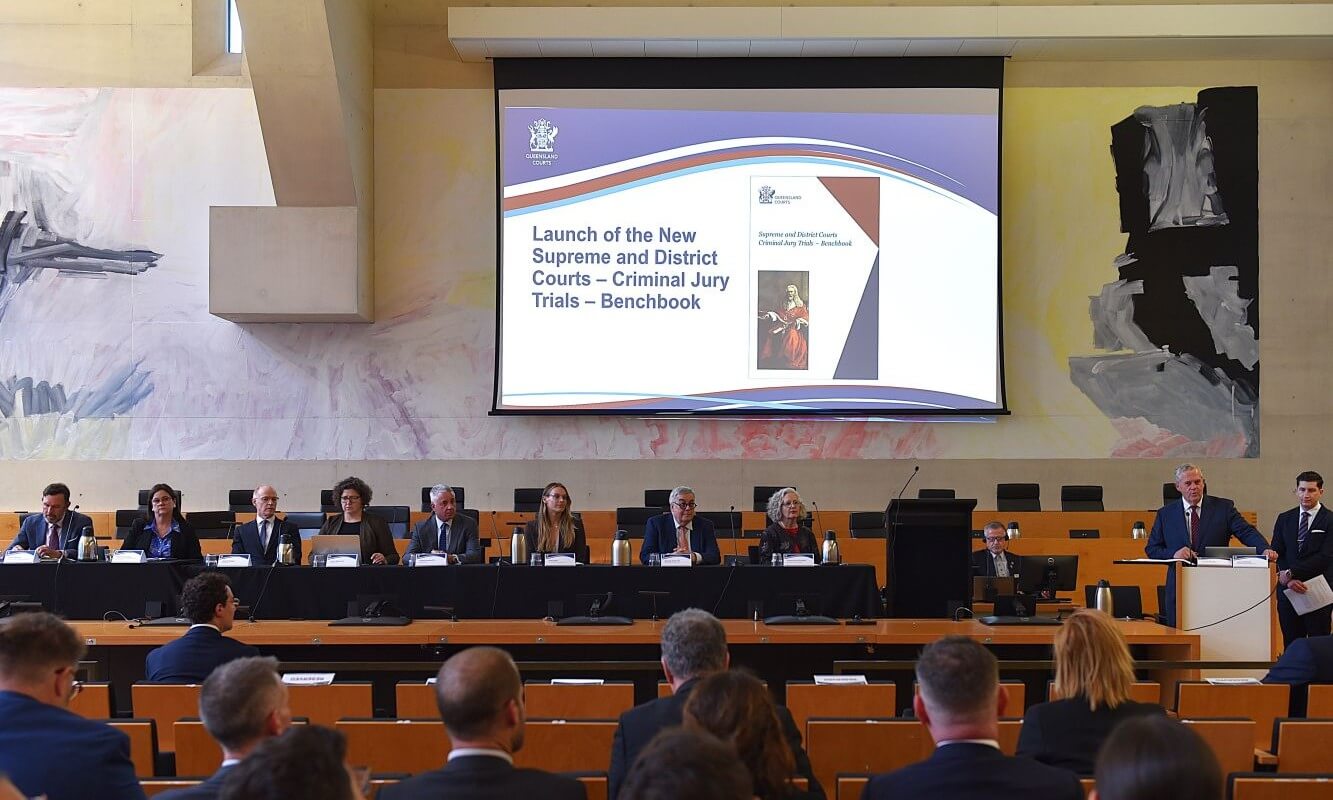
The Primary Industries and Resources Committee hearing into the Mineral Resources and Other Legislation Amendment Bill 2026 was held at Queensland Parliament on Wednesday.
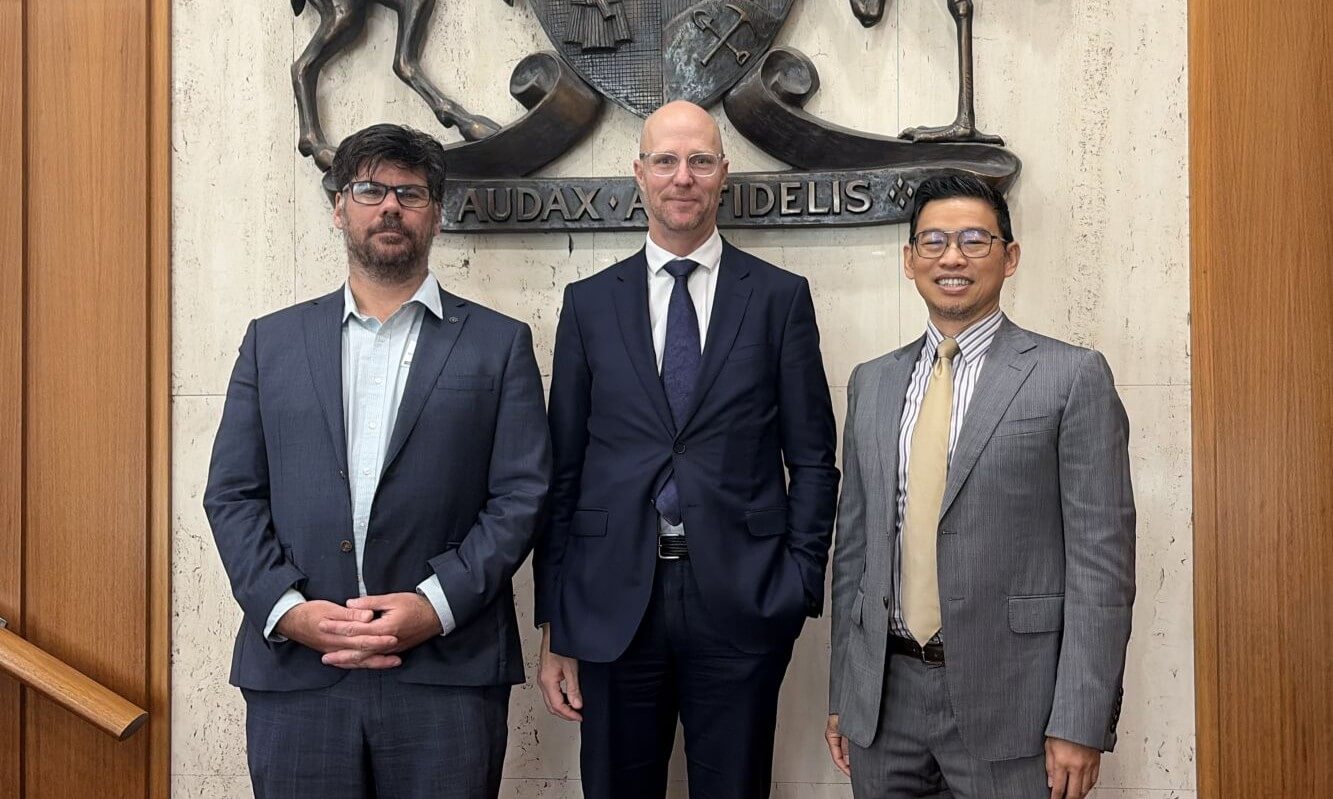
QLS Planning and Environment Law Committee members Gerard Timbs and Mark Cowan, along with QLS Senior Policy Solicitor Stephen Jiew, appeared on behalf of the Society.
Mr Jiew said QLS generally supported streamlining assessment and objection processes for mining lease applications (MLAs) and associated environmental authority (EA) applications.
“The removal of duplicated assessment processes is a commendable reform,” Mr Jiew said.
However, he said QLS’s submission to the Bill raised “significant concerns” regarding five aspects of the Bill:

- the restriction of objection rights to eligible entities, including Aboriginal and Torres Strait Islander parties, who do not hold tenure or live within the 125-kilometre zone;
- the removal of automatic referral to the Land Court and the introduction of a discretionary referral power without prescribed criteria, which limits access to independent merits review;
- the restriction of objection grounds, which limits the scope of matters that may be raised;
- the two-tier objection and submission system, which creates a significant disparity in participation rights; and
- the retrospective application of the new regime to pending matters, particularly where referrals to the Land Court have been made but hearings have not commenced.
“Our key recommendation is that the Bill be amended to adopt a process analogous to the Planning Act 2016 (Qld) framework for submitter appeals,” Mr Jiew said.
“A person who has made a properly made objection should be able to apply to the Land Court, within 20 business days of notice of a decision not to refer, to have the objection referred.
“The Court would be able to refuse frivolous or vexatious applications. This preserves the Land Court’s advisory role and the efficiency the Bill seeks, while providing a safeguard against an insufficiently defined discretion, which the Explanatory Notes themselves acknowledge.”
Member for Mackay Nigel Dalton questioned how eligibility to object to certain projects could be broadened beyond the proposed 125-kilometre zone without undermining certainty for proponents and affected communities.
“We’ve suggested that it not be restricted to 125km, that it’d also be a greater criteria or greater area at the Minister’s discretion, but there’d be criteria that put some boundaries around how that discretion is exercised,” Mr Timbs said.
Member for Bundaberg Tom Smith questioned whether the Bill required Ministers to give reasons when deciding to not refer an objection to the Land Court, and raised concerns about the implications for natural justice.
Mr Timbs said as the Bill currently stood, there was no requirement for reasons to be provided for declining a referral.
“In response to that, there are some suggested amendments that do create some issues and some concerns that the Queensland Law Society have raised in their submission, but at the same time they have provided some suggested amendments that are responsive to that, including establishing some criteria for the Minister to consider when determining whether or not to refer an objection to the land court or not,” he said.
Asked by the Member for Mirani Glen Kelly about timeframes to resolve disputed mining lease applications in the Land Court, and what the main delays were, Mr Cowan said the Land Court wasn’t typically known to be oversubscribed, unlike other courts.
“Typically, in a process like Land Court, it’s the rigour around the expert evidence process that takes a lot of the time and the settings to make sure that’s right,” he said.
The QLS submission to the Bill was compiled by the QLS Planning and Environment Law Committee and the First Nations Legal Policy Committee.
The committee is due to table its report on 6 November 2026.





Share this article