


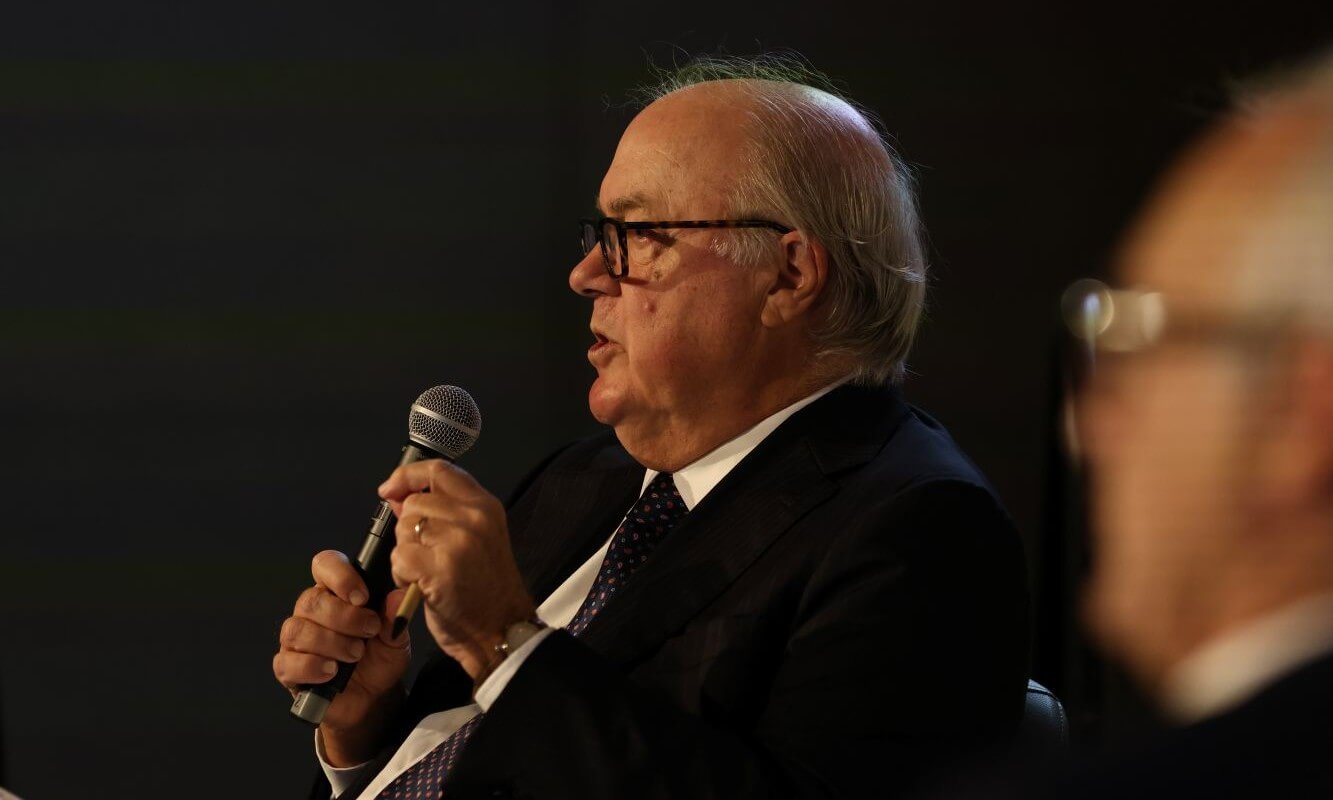
Commercial lawyers at the Queensland Law Society Specialist Practice Conference in Brisbane yesterday were treated to advice from a High Court luminary.
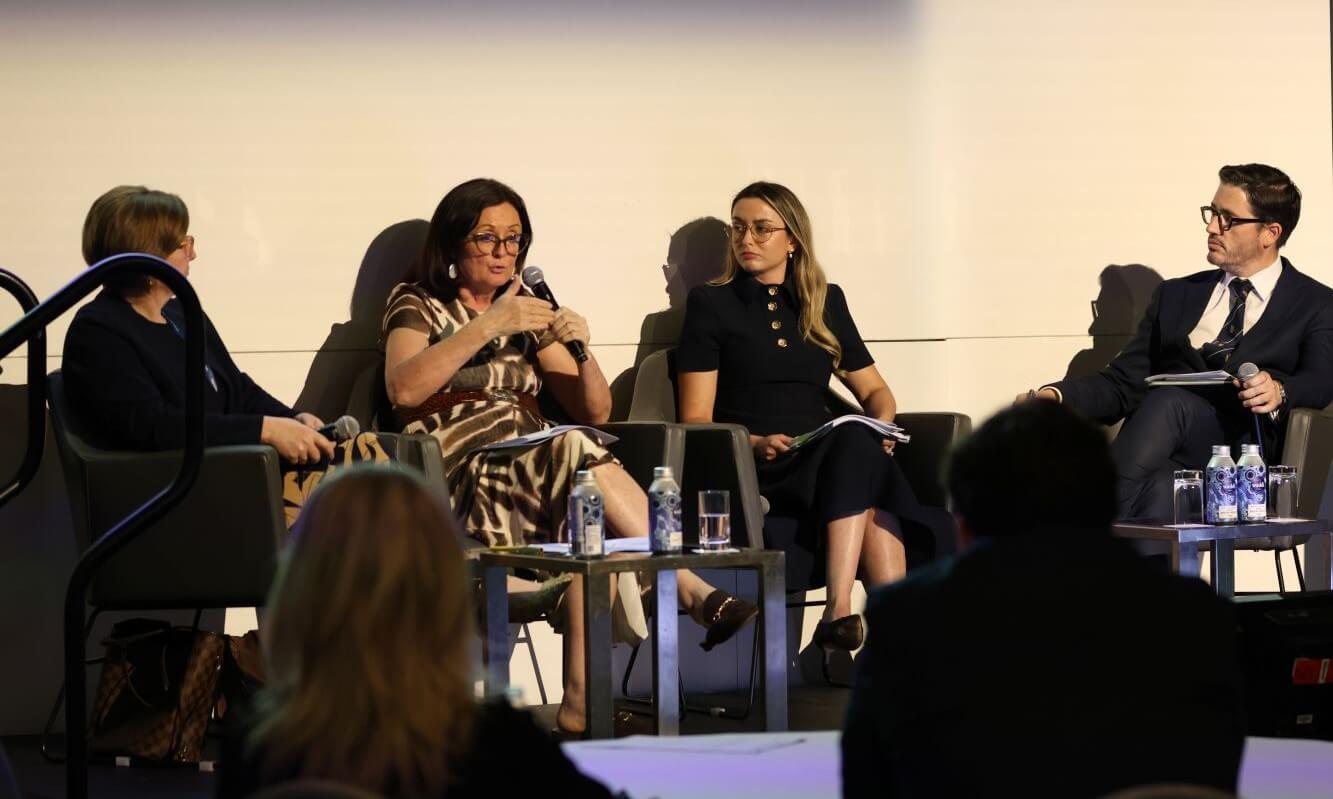
The Honourable Patrick Keane AM KC was joined by DRM Legal Principal Toby Boys, and Brisbane barristers Madelaine Luchich and Dan Butler KC, to present ADR in commercial practice: Are we there yet?, one of more than 20 sessions offered on day two of the three-day event.
Justice Keane, who served on the High Court from 2013 to 2022, spoke about how mediation had greatly reduced the number of commercial cases reaching courts such as the High Court.
He said before his tenure, commercial cases occupied about 35 per cent of High Court cases, a figure which dropped to five or six cases a year over his term.
“The diet of those courts is now very, very different from what it was 25 years ago; indeed, in my experience, from what it was 15 years ago,” he said.
He spoke of a favourite line employed at mediation by former New South Wales Chief Justice, the late Sir Laurence Street KC, an ADR pioneer.

Sir Laurence would show a 50-cent coin to the parties and say “Look at this 50 cent coin. If you only look at one side of it, you only have half the picture and you need to look at both sides”.
“This was his way of emphasising what he saw as the basic philosophy of mediation, which is that it gives the parties the opportunity, the unique opportunity, to actually understand the other side’s case and to make rational decisions about the desirability of continuing to litigate with a better knowledge of the other side’s case,” he said.
“A corollary of that view, that fundamental view that mediation was all about understanding the other side’s case, was that in every case that was mediated then by Sir Laurence, and by everybody else who took up mediation, largely inspired by the success of his work, was that every mediation would commence with a plenary session in which the barristers – and the barristers were always there – were invited to give the other side both barrels.
“Over time, I think we’ve all come to appreciate that a slightly more nuanced approach is desirable.”
Mr Boys spoke of the need to prepare for, and appreciate, the opportunity to mediate.
“I don’t think that practitioners are doing nearly as much as they can be doing with their clients in the lead-up to mediations to help them to prepare for what’s involved,” he said.
He said practitioners were used to working with legal concepts and frameworks, and factual matters.
“But the reality of mediation is that the parties are dealing with three things that I like to talk about: there’s the legal aspects, there’s the commercial aspects and there’s the personal aspects.
“And at any given point in mediation, the legal, commercial or personal aspect might be more important, so I think a lot of it, in terms of where we can go as a profession, is helping our clients to prepare for mediation, not just in terms of what their legal positions are but commercially … (asking) what are the true costs involved, not only the legal costs they have to pay out to practitioners but the time they’re spending on these matters is time that they’re not spending on their businesses.”
Ms Luchich agreed, saying preparation was the key to successful mediation.
“Our job as legal professionals is really to, first of all, educate ourselves about what we should be doing to prepare for a mediation, then ensure our clients are fully educated and informed,” she said.
“Sometimes it’s not going be possible to resolve matters, sometimes it’s not appropriate … but in those cases where a resolution is possible, you are usually only going to get there when people are well prepared.”
Mr Boys said he was keen to see a meditator engaged for the duration of a matter, to enable “jumping off” points to be identified.
“We come in as mediators, and you get the material sometimes the night before, hopefully a couple of days at least before, and then you’re out of it if it doesn’t resolve,” he said.
“Why not think about having a mediator there from the start looking at ‘what do the parties need to do to make informed decisions?’ and ‘what do they need to collect from each other to make informed decisions?’, and look at it across the whole of the matter rather than just the day of the life of a matter.”
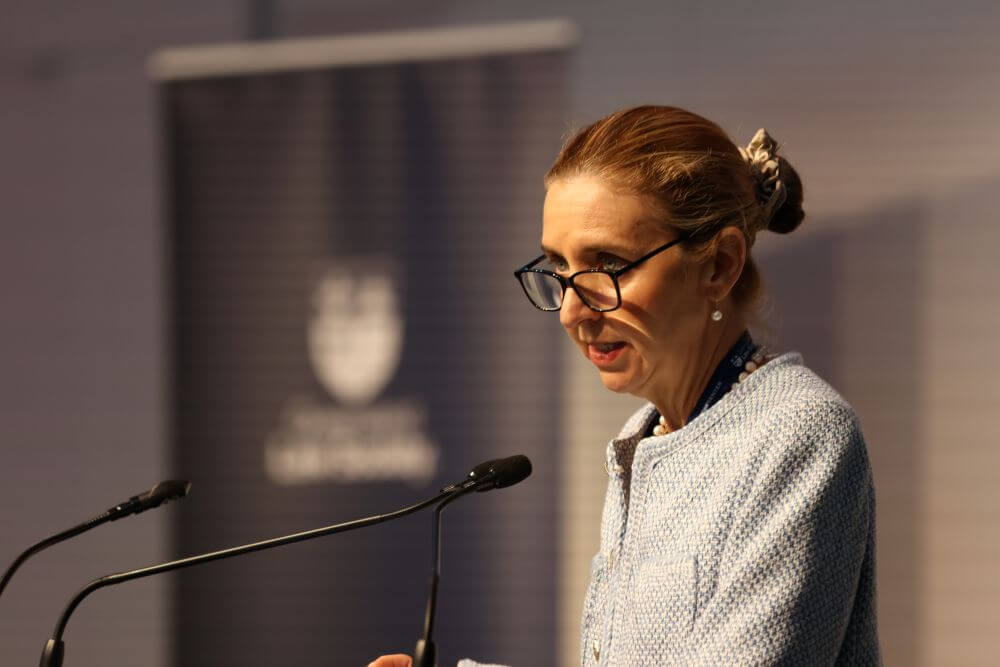
Yesterday, the conference at Brisbane Convention & Exhibition Centre focused on property and commercial law; government law; and commercial litigation and dispute resolution. It concludes today with a focus on family, domestic violence, criminal and migration law.




Share this article