


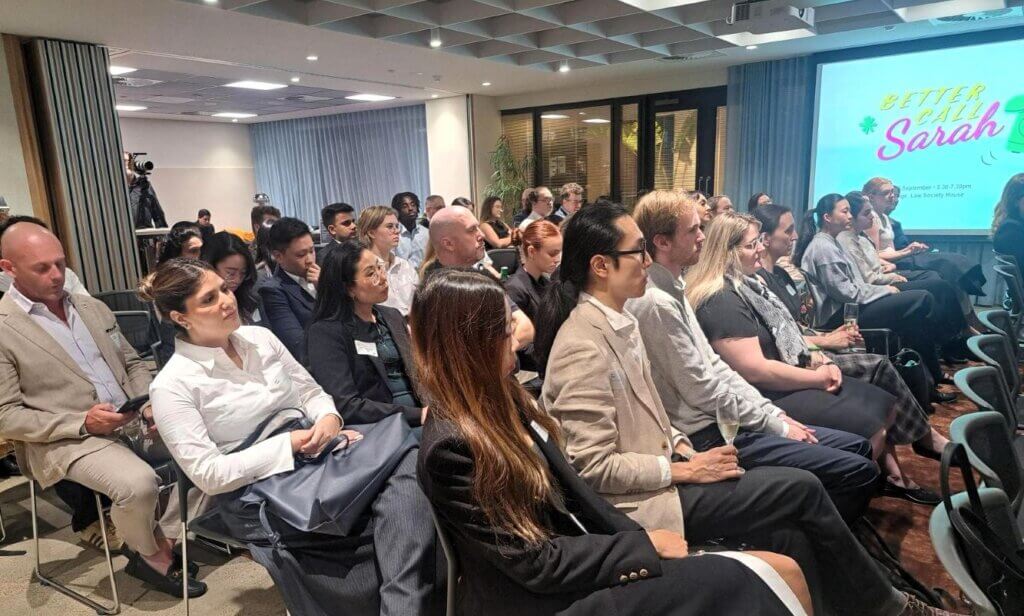
Law students struggling to break into the profession should focus on transferable skills and tailored applications, the Better Call Sarah panel advised at the recent Queensland Law Society event.
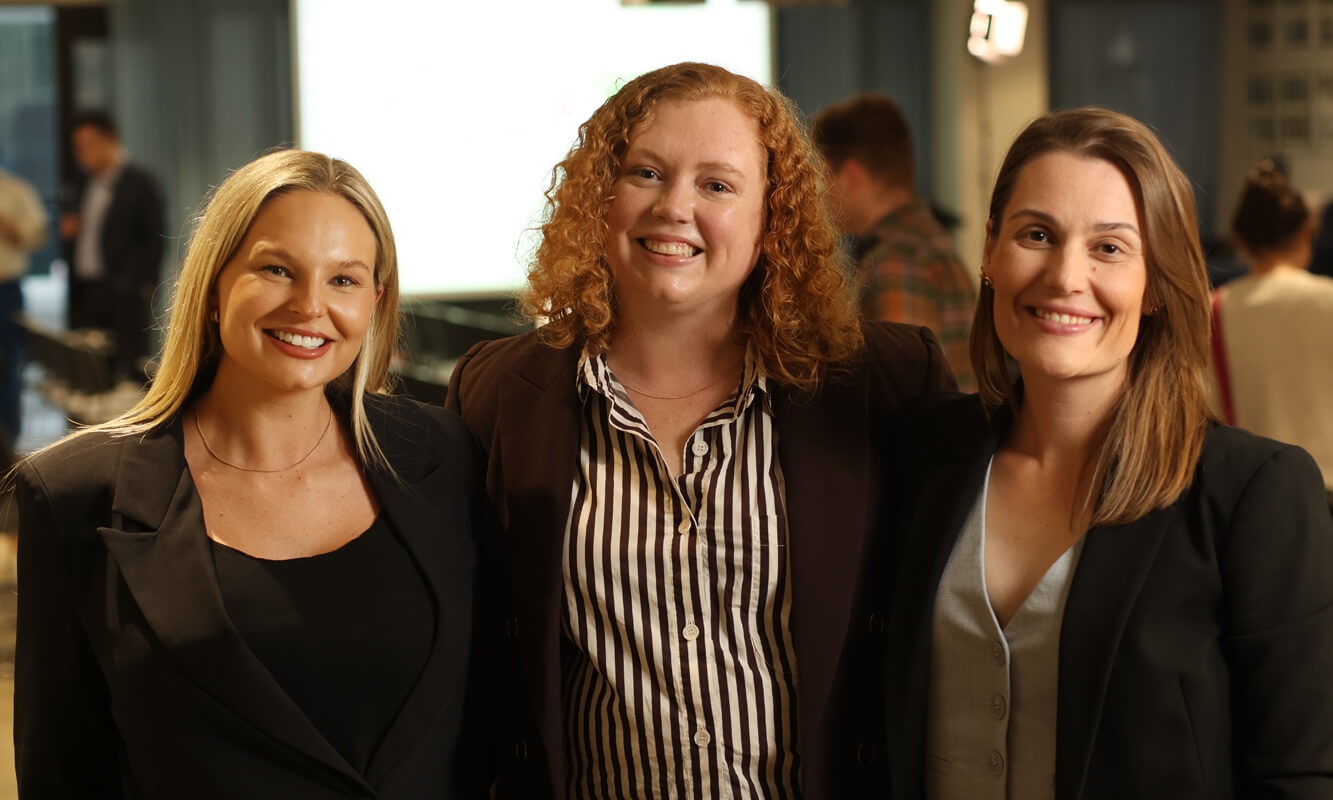
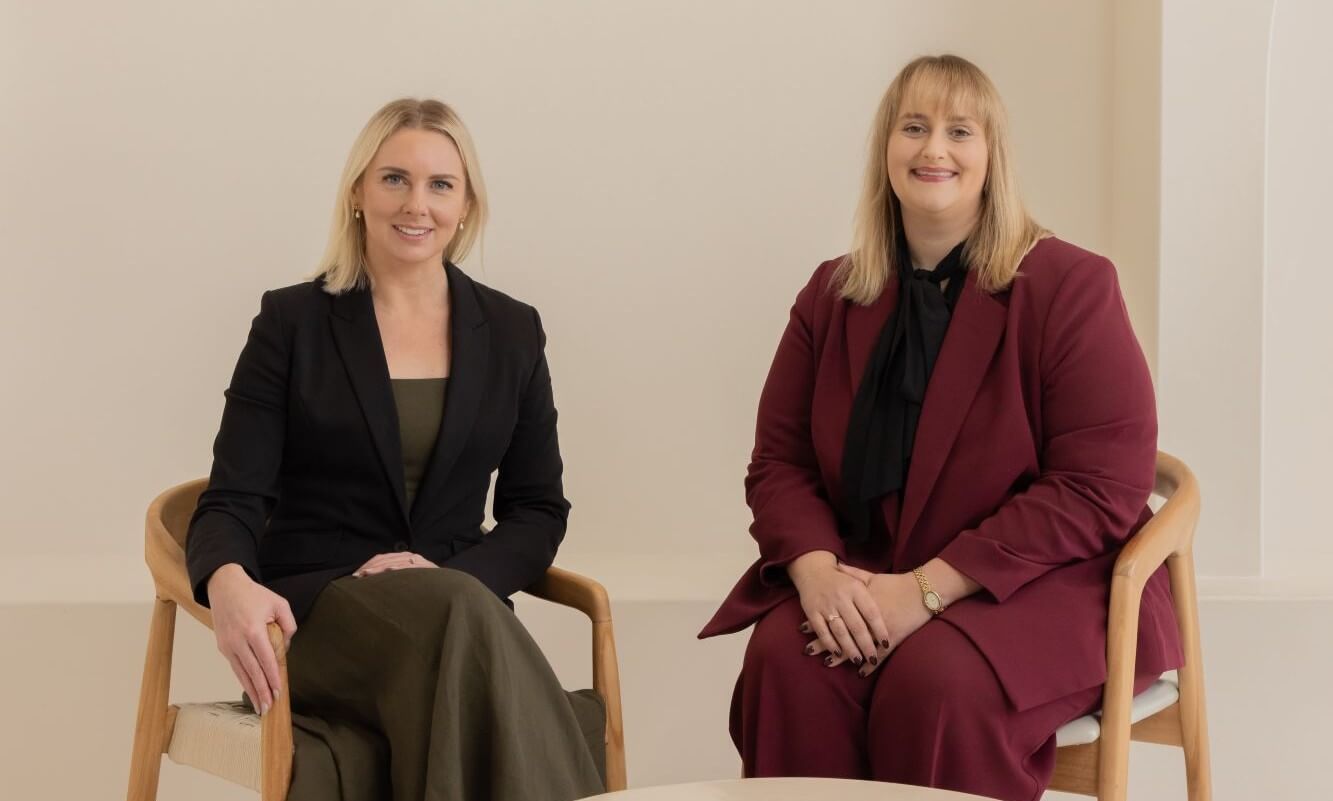
Hosted by former QLS Future Leaders Committee President Sarah De Jong, the discussion featured Bianca Davies, senior client adviser and director at Law Staff, and Sarah Henderson, a people and development consultant at Lawyers on Demand, who shared insights into what employers were looking for when hiring graduates and early career lawyers.
Ms Davies, a former lawyer who transitioned into legal recruitment, said many students became fixated on a lack of legal experience when applying for entry-level roles.
“It’s a bit of the chicken-or-the-egg situation,” she said. “I often get calls from lawyers where they’re like, ‘it says I need experience to get the job, but I need the job to get the experience’.
“It’s a really tricky situation.”
But rather than focusing solely on legal work, the panelists encouraged the Brisbane audience to highlight transferable skills developed through customer service, hospitality, retail, volunteering and university activities.

Ms Henderson said generally when employers were talking about experience, they were not necessarily meaning students had to have a specific type of experience.
“If they’re talking more generally, then your experiences within your customer service roles, hospitality, retail, that’s all very relevant. Also your study, a lot of the time you’ll probably be doing assignments where you have quite a practical component,” she said.
“They basically want to see that over the course of the time you’ve had at university, what have you been filling your time with?
“What life experiences do you have? What challenges have you overcome? It’s about we need you to have something to convey what you can do and whether that’s strong communication skills that you can show across a variety of different contexts.
“But the most important thing is just don’t get too caught up in ‘it has to be exactly this kind of experience’, because when it’s in an entry-level role, they’re not expecting you to have all of that. They know that you’re a student.
“They just want to see that you can work hard. You can dedicate yourself to something you can learn, and then they can help to build some of those other technical skills.”
The panel stressed that a tailored resume remained one of the most important tools in a student’s job toolkit.
Drawing on her experience reviewing more than 500 legal graduate applications for the Queensland Department of Justice, Ms Henderson said presentation and attention to detail were often overlooked by candidates.
“One of the key things that I would say is when you’re looking at your resume, consider if you would be comfortable to put that document in front of a client or someone external to whatever business that you’re hiring at, because a lot of the time the formatting seems to be the last thing that people think about,” she said.
“They’re like, ‘Oh, as long as the information is there, it’s fine’. But when someone’s reviewing these applications, they’re going, ‘Okay, so this is the quality of the product they’re going to come and bring to my organisation. So this is their level of attention to detail.’ That document that you’re creating is evidence of your work.
“So make sure that you’re happy with how it represents what you would deliver for that organisation as a pretty key starting point, because that really will say a lot about how you approach tasks.”
Both speakers encouraged students to customise resumes as well as cover letters for specific practice areas.
Ms Davies advised people to tailor their resume even if they didn’t have legal experience.
“So if you’re applying for a role that’s in a disputes or a commercial litigation team, you want to pull to the front your advocacy experience, any experience you’ve had in that kind of communication skill,” she said.
“And likewise, if you’re doing a front-end role that’s more contracts based, you want to pull that to the forefront as well. I have candidates that end up having five resumes that are all for different areas of law that they’re applying to, and that will probably become more relevant as you get later in your career.
“But even at this point, look at what they are wanting and what the role is specifically for and tailor it to that.”
Candidates were also advised to clearly identify clerkships, internships and short-term contract roles to avoid creating the impression of frequent job-hopping.
Artificial intelligence was another topic, with panelists warning against relying on tools to generate entire applications.
Ms De Jong said if you were one of hundreds of applicants then ChatGPT was “not your friend”.
“If you are using ChatGPT to generate your cover letter or your CV, it is really noticeable immediately,” she said.
“And when you have hundreds of applicants, you will weed out the ones for like the basic reasons, the no experience or the spelling mistakes or things like that. And then you’re down to like maybe a pool of 50 and you can interview four.
“So it starts to become really relevant that you’re not using something like ChatGPT as your final product, because it’s a really real fear for lawyers and law firms that as a law student, that you’re just going to put all your work into ChatGPT or all your emails, and you’re going to hand them over as a final version.”
Ms Henderson agreed, saying if an AI tool was used to generate ideas then all of the ideas were the same.
“We’re looking for things to differentiate the candidates from each other and it becomes very clear when there’s the same phrases over and over again and, and that you’ve kind of gone ‘write me a response to this question’,” she said.
“So then we don’t know if that’s genuinely how you feel. Is that how GPT suggested you should feel? And we’re not really getting to know you and your thoughts and to be able to actually assess you correctly.
“So make sure that you’re really bringing yourself to your application, because even if it sounds like the right answer, if it’s not your answer, it’s probably not going to get you very far at all.”





Share this article