


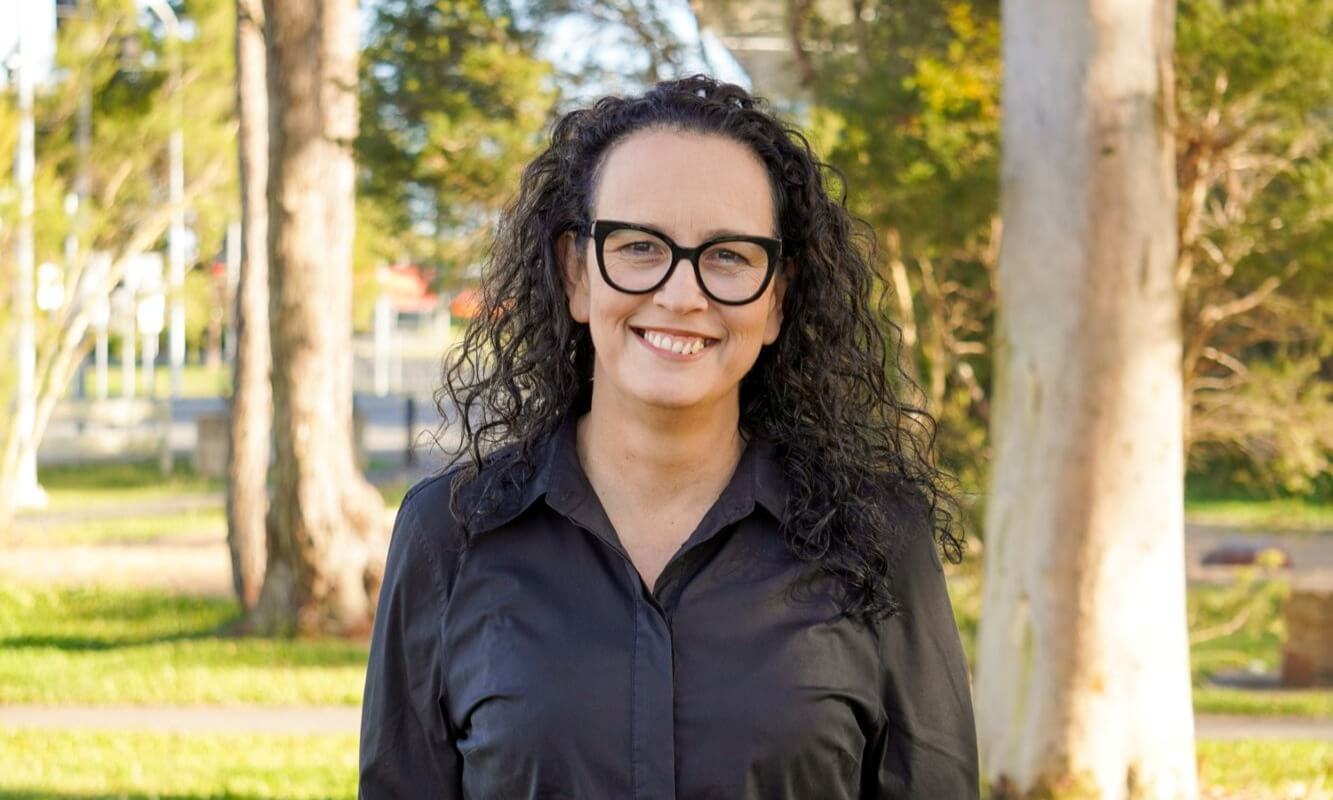
Long before she became a lawyer, Candice Hughes believed she could change the system from within.
Inspired by her aunt, Maxine Renouf, the first Aboriginal woman sworn into the Queensland Police Force in 1976, she joined the police at just 20 years old, driven by a desire to make a difference.
Today, as a leading community lawyer advocating for vulnerable young people, she has arrived at a different conclusion, that meaningful change often begins not with institutions, but with standing beside those the system has already failed.
For the Indigenous solicitor, the work is deeply personal. Through her role in community legal services, she represents young people whose lives have been shaped by trauma, neglect and instability, children whose stories are rarely heard beyond the courtroom.
“A lot of the children I represent couldn’t even tell you five people they could count on for anything. No one should live like that. It’s really sad when the most constant person in a child’s life is their lawyer,” she says.
For many of those young people, Ms Hughes is that constant presence.
“Everyone deserves people who will fight for them. Everyone deserves advocates,” she says.
If the public conversation around youth crime often centres on punishment, Ms Hughes’ perspective begins somewhere else entirely – with understanding.
“I work predominantly with young people, and they’re such beautiful people who have been dealt some of the roughest cards in our community. Some of their circumstances are honestly heartbreaking,” she says.
That conviction is informed not only by her work, but by her own story.
Raised in Beenleigh by a single mother in public housing, Ms Hughes grew up surrounded by strong women. While many of the children she now represents lacked stable support networks, she speaks with gratitude about the family that shaped her.
“I owe everything to my mum,” she says simply.
Among her most influential role models was her aunt, Maxine Renouf, the first Aboriginal woman to be inducted into the Queensland Police Force in 1976.
“She was still in the police when I joined. She was just a strong woman that I looked up to. I was just like, ‘I want to be like Auntie Max.’,” she says.
The path seemed clear. After studying justice at university, she joined the police service at just 20 years old, driven by a desire to make a difference.
But over time, she became increasingly conscious of the limits of the role.
“I joined the police because I honestly thought I could help, but I came to realise you’re just one small part of a much bigger system,” she says.
The transition to law came much later, and not without sacrifice.
“I didn’t study law when I was younger because I didn’t think I was smart enough. Then, in my thirties, I got older and thought I’d give it a crack,” she says.
At the time, she and her husband were raising a blended family of five children. The youngest, twins, had only just started school when she enrolled.
“I thought that with them at school I’d have heaps of time,” she says, laughing. “I don’t even understand what I was thinking!”
The reality was years of balancing full-time work, family commitments and study. Textbooks travelled to sporting fields and school pick-up zones, assignments were completed between tennis lessons and family obligations.
“There was a lot we missed out on because I was working full-time and studying. I remember sitting around the table doing homework with the boys, they would do theirs and I’d do mine,” she says.
What kept her going, she says, was the knowledge that her family had sacrificed alongside her.
“I felt like I had to finish. I couldn’t not finish because they had all given up so much,” she says.
A placement at a community legal centre during her degree proved transformative.
“I fell in love with the sector. I didn’t even really know it existed before,” she says.
More than a decade later, she has never left.
What keeps her there is not the courtroom victories, although there are plenty of those. It is the people.
“Getting a fair outcome for a young person, having a magistrate listen and consider, making sure their story is heard. Those are the moments that matter,” she says.
Yet Ms Hughes is deeply frustrated by what she sees as a widening gap between public perceptions of youth offending and the underlying realities.
Many of the young people she represents have grown up in residential care, experienced family violence, suffered untreated disabilities or mental illness, or navigated homelessness before reaching adulthood.
“The trauma these young people experience, the lack of healthcare, the lack of support, it’s shameful,” she says.
“People say a nation should be judged by how it treats its most vulnerable people. We really treat our vulnerable people disgracefully.”
Despite this, Ms Hughes remains hopeful, in part because she draws strength from those who came before her.
“Our mob have been fighting for much longer and through much tougher battles than what we’re fighting now,” she says.
“It is still very much a hard fight now; it is just different. You have to fight, there is no other option. You have to stand up for what is right.”
That belief is perhaps why she remains so committed to community law after almost a decade in the sector.
“The people in this space are incredible. They become your mentors, your friends, your support network. People come here because they care,” she says.
And she has no intention of leaving.
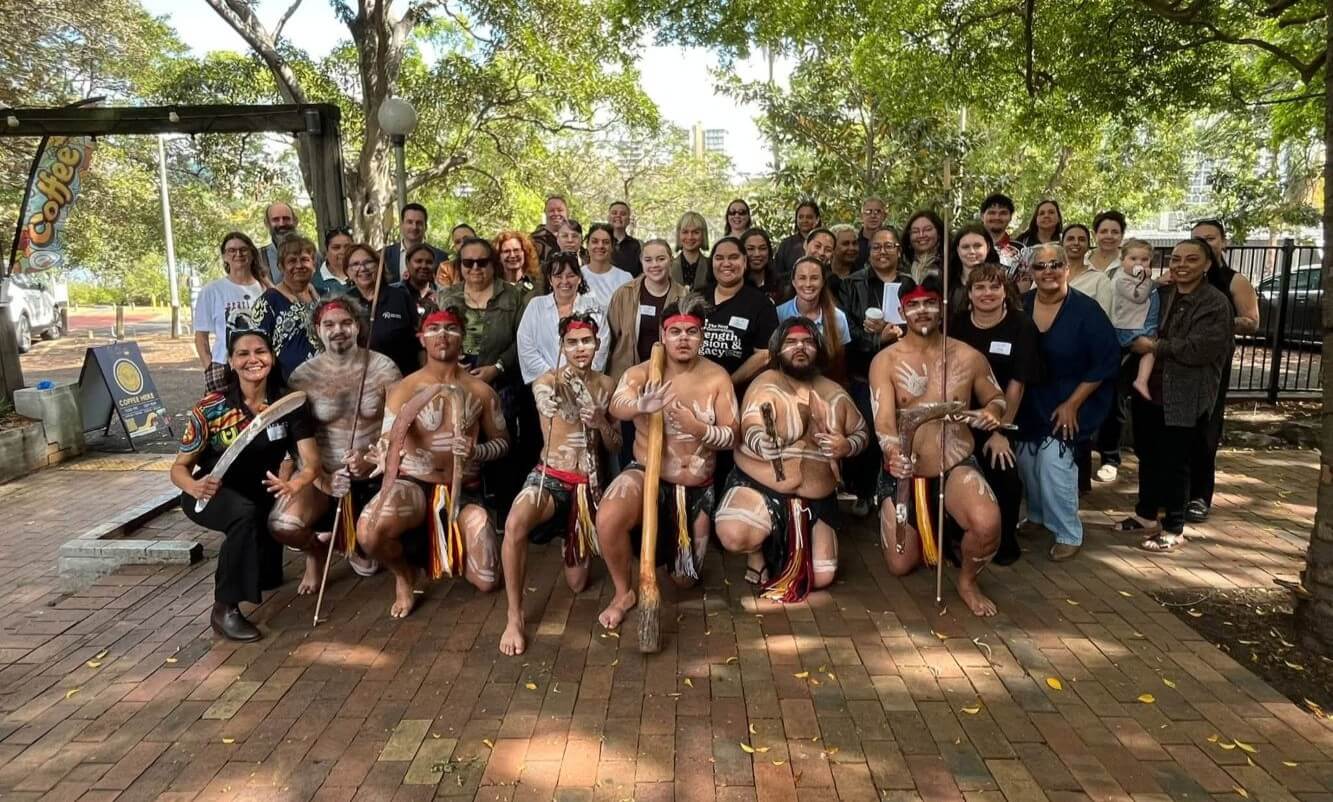
NAIDOC Week last week, which marked 50 years of celebrating Indigenous achievement, resilience and leadership, offered a chance to reflect on both progress and unfinished work.
“It recognises the strength, determination and resilience of our Elders, leaders and communities,” Ms Hughes says.
“It’s about honouring their legacy, celebrating our culture and recognising how far we’ve come.”
Then she offers a final thought that encapsulates both her career and the philosophy that drives it.
“We’ve come a long way, but there’s still a lot more work to do,” she says.




Share this article