



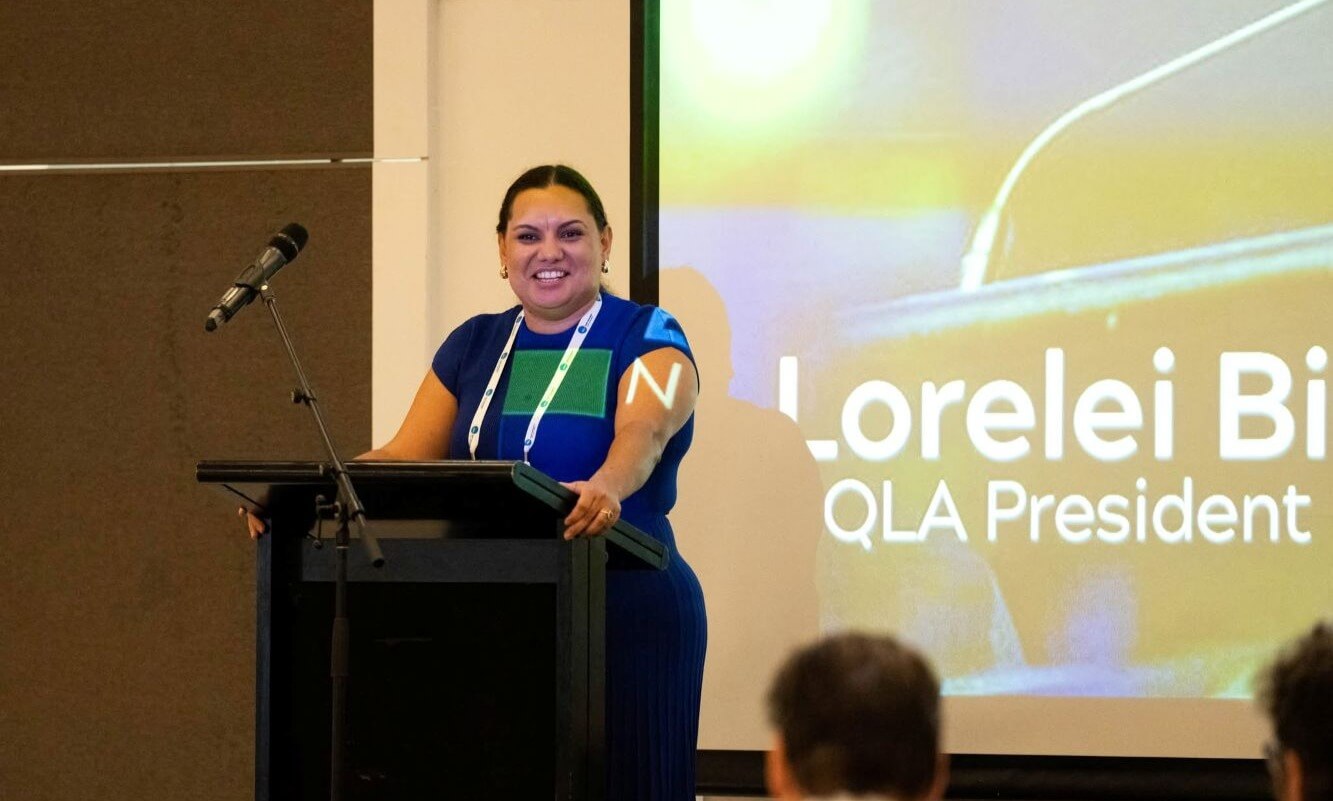
In the criminal courts of North Queensland, where the realities of disadvantage, trauma and over-representation collide daily with the justice system, Lorelei Billing has built a career in advocacy, cultural understanding and an unwavering commitment to community.
The Townsville solicitor did not set out with a grand plan to become a criminal lawyer. Yet more than a decade after joining the Aboriginal and Torres Strait Islander Legal Service (ATSILS), she has become one of the region’s most respected First Nations legal practitioners, a Queensland Law Society First Nations Solicitor of the Year and a passionate advocate for improving outcomes for Indigenous people in the justice system.
Speaking during NAIDOC Week, Ms Billing reflects on a journey shaped by family, culture and a deep sense of justice that was instilled long before she stepped into a courtroom.
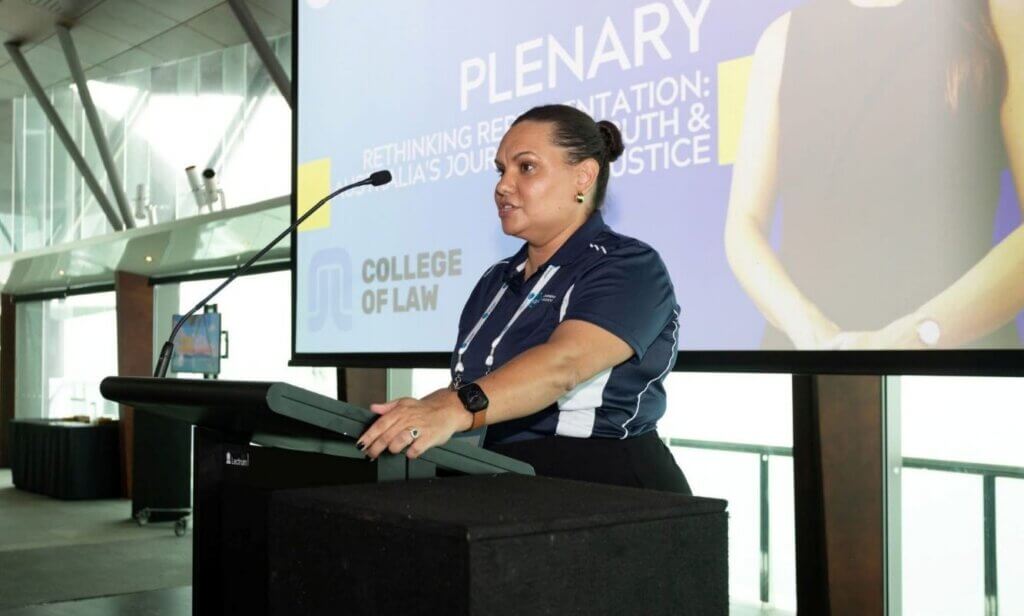
Born and raised in Townsville, Ms Billing has family connections that stretch south to Quandamooka and Bundjalung Country of the Moreton Bay, Stradbroke Island and Tweed Heads regions. While no one in her immediate family practised law, ATSILS was never far from home. Her grandmother was among the original signatories involved in establishing the Townsville service before ATSILS evolved into the organisation it is today, while her mother and other relatives also worked within the service over the years.
“I got a bit of exposure to law and lawyers and barristers when I was younger,” she says.
“No one in my family was a lawyer or a barrister. What I did see was people working for community, working for our mob, and trying to make things better.”
That sense of purpose was reinforced around the family dinner table.

“I think it can be somewhat different for Indigenous children,” Ms Billing says. “We grow up having conversations about racism, discrimination and justice. Those conversations were always there. We talked about the lack of rights my grandparents had, the experiences my parents had, and understanding how Aboriginal and Torres Strait Islander people are perceived in the world.”
“There was always a strong sense of justice and also of staying connected to community, working with and for the community you’re from.”
Unlike many aspiring lawyers who gravitate toward capital cities, Ms Billing’s path remained firmly regional. She studied law at James Cook University in Townsville, drawn in part by the opportunity to stay close to family.
“It was always the expectation that you studied in Townsville and then perhaps moved to Brisbane for work. But I’m really happy I stayed regional. Townsville has worked out for me. It’s home.”
That commitment to the region has shaped her career. After working through an Indigenous cadetship with what is now the Queensland Human Rights Commission, Ms Billing joined ATSILS in a court support role before transitioning into legal practice.
“I never chose crime,” she says with a laugh. “I sort of fell into it because that’s where the positions were at the time.”
Yet criminal law quickly revealed itself as a natural fit.
“I really like advocacy and I like being in court. And I think there is genuine value in Aboriginal and Torres Strait Islander clients being able to see someone who understands their experiences.”
That understanding often extends beyond legal arguments.
Ms Billing says her cultural knowledge can play an important role in helping courts appreciate the broader circumstances affecting Indigenous clients.
“As an Aboriginal woman, I know to ask questions about culture, identity and connection to Country,” she says.
“I’ve made submissions in court about cultural connections and identity issues. Sometimes people don’t know their mob or they have been disconnected from culture. Sometimes that instability or loss of identity has contributed to other challenges in their life.”
“Can we explore that? Is it relevant to the court? Has it played a role? Those are important conversations.”
While the legal profession has made progress in attracting Indigenous lawyers, Ms Billing believes more work remains, particularly in regional Queensland.
“There are still not many of us,” she says.
“I teach Indigenous People and the Law at JCU, and I always encourage students, particularly Indigenous students, to think about practising in the regions or working in areas where they’re representing Aboriginal and Torres Strait Islander people.”
For many young lawyers, visibility matters.
Reflecting on her own early career, Ms Billing recalls entering the profession with little understanding of who else shared her experiences.
“I didn’t know who the Indigenous barristers were, I didn’t know who was on the bench. I didn’t know what networks existed,” she says.
“One of the most important things is simply knowing we’re here. Knowing who the people are, putting faces to names, attending networking events and building those relationships.”
Her efforts have not gone unnoticed. In 2023, Ms Billing was recognised as Queensland Law Society’s First Nations Solicitor of the Year, an achievement she describes as both humbling and affirming.

“Being in the regions can feel very far away from Brisbane,” she says.
“It was really rewarding to be judged on the work I had done in the profession and in the community. That recognition from peers was incredibly meaningful.”
Still, some of her proudest contributions involve the clients she represents every day, particularly in the Children’s Court jurisdiction.
Youth justice has become an area of growing focus for Lorelei, who regularly represents young people whose lives have already been marked by significant trauma.
“It can be really sad hearing about their circumstances. Many are already involved with the child protection system. There’s often disconnection, instability and trauma. You hear some very difficult stories,” she says.
Despite these challenges, Ms Billing remains firmly focused on advocacy.
“My job is to put their best case forward and advocate as effectively as I can.”
One area she believes deserves greater attention is the use of cultural reports within court proceedings.
Ms Billing argues formalised cultural reporting could assist courts to better understand the impact of dispossession, identity and community disconnection on Indigenous defendants, particularly young people.
“When we’re talking about disproportionate incarceration rates, we’re still seeing the impacts of colonisation,” she says.
“I think we’re missing something if those cultural factors aren’t being properly explored.”
“I’d really like to see more work around cultural reports because they can help the court understand a person’s circumstances, their cultural connections and what may have happened within their life that’s affected those connections.”
For Ms Billing, these conversations are particularly relevant during NAIDOC Week, which she views as both a celebration and a reminder of the work still to be done.
“My understanding is that NAIDOC started as protest and observance. What I love is that it has become a celebration of culture, achievement and resilience,” she says.
“It’s important to celebrate the wins, while also recognising that Aboriginal and Torres Strait Islander peoples have unique cultures that deserve recognition and respect.”
As for her own future, she remains open to new challenges. A move to the Bar is under consideration, as is postgraduate study. Perhaps a master’s degree. Perhaps a PhD.
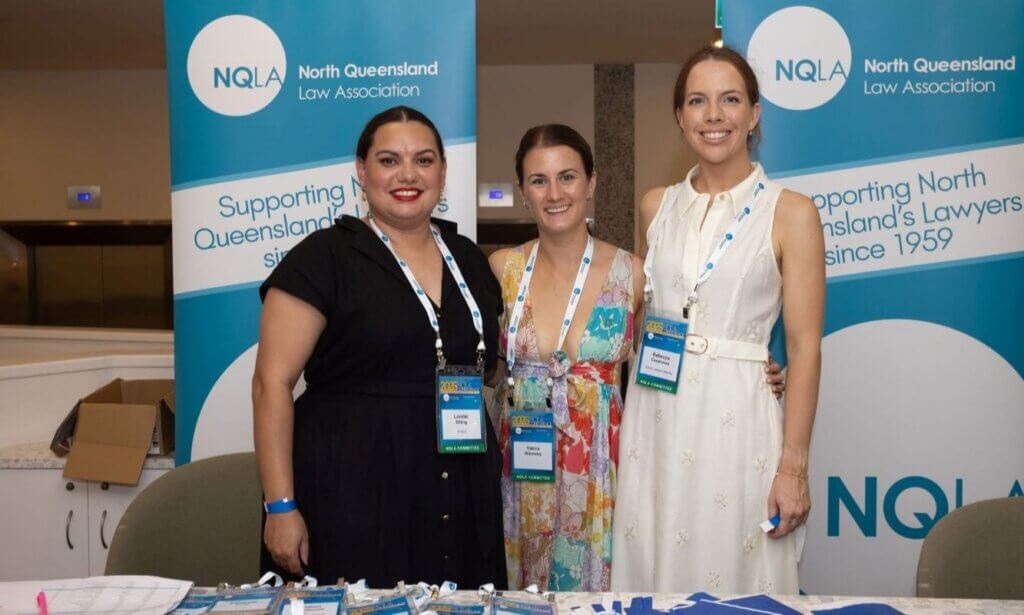
For now, however, she remains exactly where she feels she can make the greatest difference, in North Queensland, close to community, and close to the people whose stories continue to shape her work.
“I’ve flirted with other ideas,” she says, smiling. “But I’m still really passionate about the law.”
After more than a decade in practice, that passion shows no sign of fading. During a week dedicated to celebrating First Nations leadership and achievement, Ms Billing’s career stands as a powerful reminder that meaningful change often happens far from the spotlight.





Share this article