


Misuse of enduring powers of attorney is contributing to elder abuse nationally, the Queensland Law Society told the Inquiry into Elder Abuse before the Education, Arts and Communities Committee yesterday.
QLS identified several areas for reform of enduring power of attorney laws in its submission, including developing nationally consistent enduring power of attorney laws across Australian states and territories.
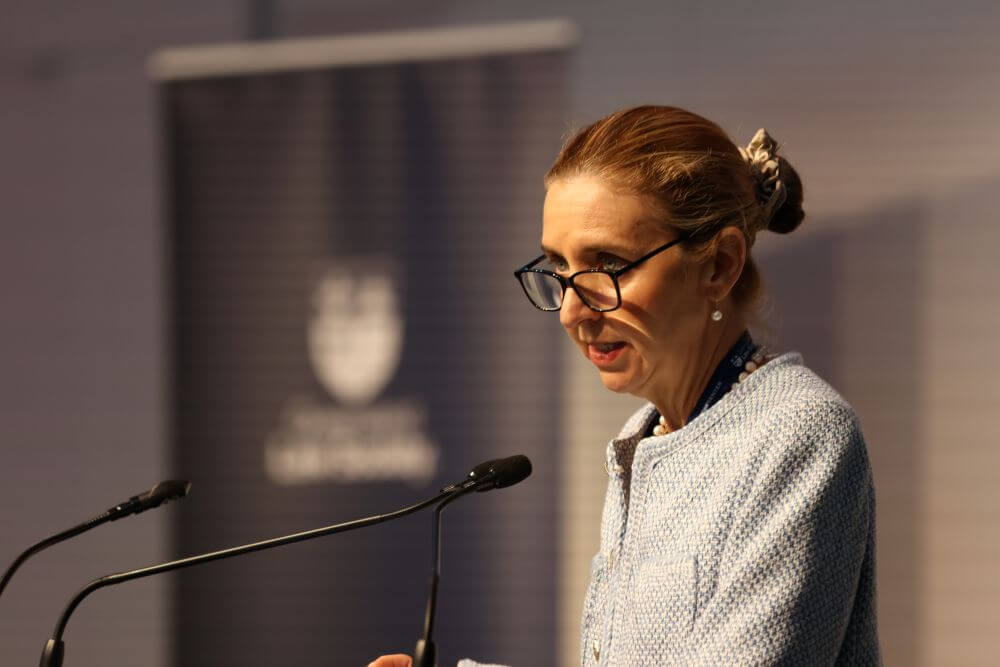
“Our members have reported that the misuse or abuse of enduring powers of attorney are contributing to elder abuse,” Sonia Smith, Special Counsel, Legal Policy told the committee.
“There is an opportunity for the Queensland Government to take the lead on this important reform proposal.”
QLS’s submission noted a significant knowledge gap in understanding issues relevant to elder abuse such as impaired capacity, the limits on an attorney’s powers and the difference between supported decision-making and substitute decision-making.
“Developing general community education programs, as well as education targeted at attorneys and service providers, is an initiative the government can start on immediately,” Sonia said.

Committee chair and Member for Keppel, Nigel Hutton, picked up on the issue of education of attorneys, asking how that could be implemented.
Sonia noted there was currently no requirement for attorneys to receive training, pointing to the Society’s submission that suggested two potential touch points.
“One, when the power of attorney is signed. Currently there is no requirement for attorneys to have any sort of education or training in what they’re actually preparing to do.
“Then another point in time is at the point the power is actually implemented or enacted, which could be years down the track.
“So, the person who agreed to be an attorney five years ago, 10 years ago, they may not have known then what they were signing up for.
“When the power of attorney is actually invoked, they may still not know what their obligations are.”
In addition to training for attorneys and witnesses, and service provider education, the QLS submission strongly recommended developing a national model enduring document.
“In our view, these reforms should be urgently progressed as a priority for federal, state and territory Attorneys-General,” the submission noted.
“Achieving greater consistency in EPOA laws would increase clarity and awareness for all national stakeholders, including Australian families, communities, business, governments and the media.”
QLS contended that after implementing nationally consistent laws and a model document, the next step would be to explore developing a national register of enduring power of attorney documents.
“However, in our view, the priority at this stage should be reaching consensus on a nationally consistent law and enduring document before pursuing a national register,” the QLS submission noted.
“Without harmonising the law relating to EPOAs, introducing a national register may significantly increase the cost and complexity of, and add confusion to, the process of making an EPOA and to the concept of advance care planning more generally.”
To assist members in navigating the challenges around elder abuse, QLS offers its members free legal ethics and practice support guidance and education, for example in relation to a solicitor’s role in detecting and responding to elder abuse, assessing capacity via video conferencing and also witnessing enduring powers of attorney.
QLS has also jointly published a Handbook for Practitioners on Legal Capacity with Queensland Advocacy for Inclusion and Allens Linklaters. The Society is currently reviewing and updating the handbook.
Additional resources: The Law Council of Australia also publishes a Best Practice Guide for Legal Practitioners in Relation to Elder Financial Abuse and a Best Practice Guide for Legal Practitioners on Assessing Mental Capacity.


Share this article