



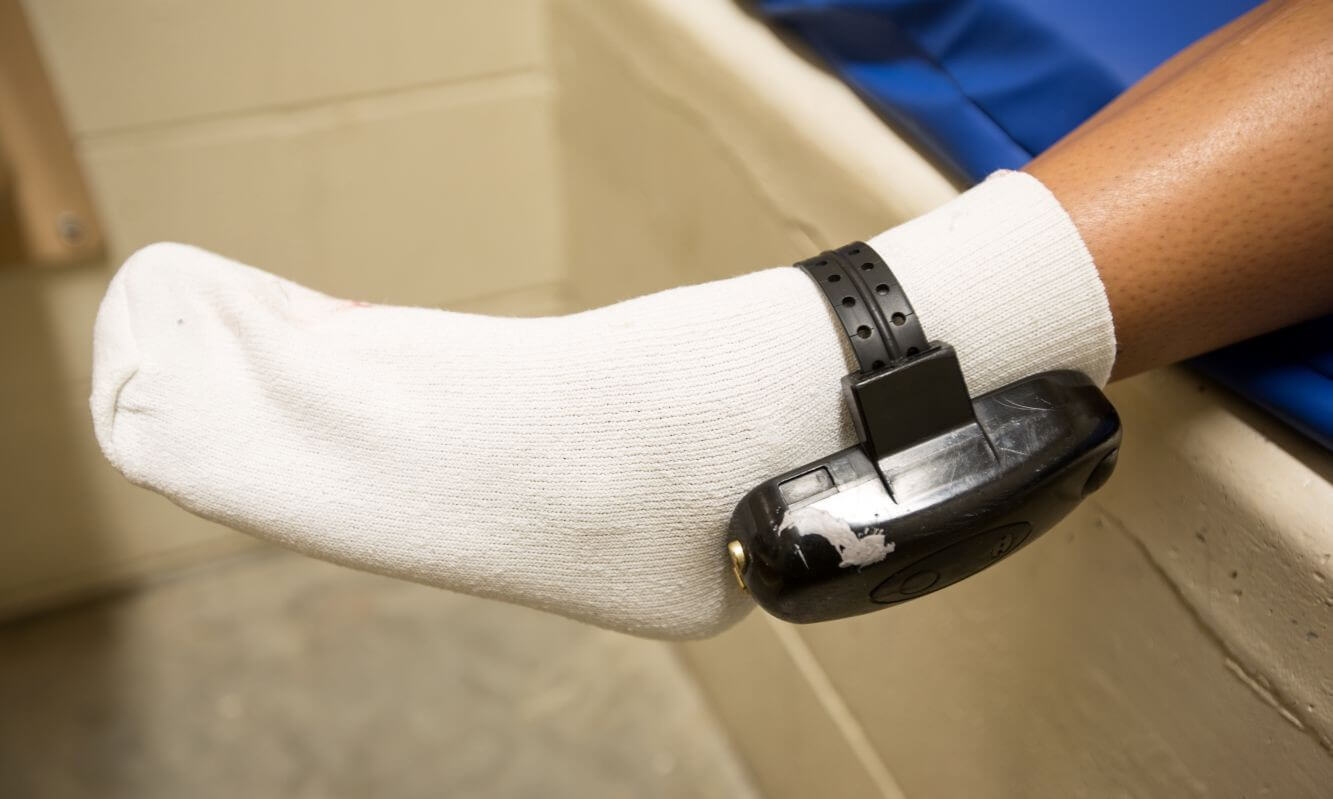
Queensland Parliament has passed new laws expanding the use of electronic monitoring for children accused of offences, significantly reshaping the state’s youth bail framework.
The Youth Justice (Electronic Monitoring) Amendment Bill 2025 makes electronic monitoring for children on bail permanent and statewide and can now include children as young as 10. The laws start 30 April 2026.
The reforms form part of the State Government’s tougher approach to youth crime, which it says is focused on reducing reoffending, strengthening consequences, and “restoring safety where you live”.
However, legal and human rights organisations, including Queensland Law Society (QLS), caution that the measures are punitive, unlikely to deliver safer communities based on the evidence, and carry significant risks to children’s wellbeing.
Here’s what the laws do, why they matter and what practitioners should be aware of.
What’s in the legislation?

Permanent GPS monitoring of children
The new laws make electronic monitoring a permanent part of youth bail in Queensland. Courts can now order a GPS tracking device for any child aged 10 to 17, including those who have never offended before.
The Government has highlighted the earlier trial involving around 16 children as evidence supporting the expanded use of GPS monitoring. According to that evaluation, monitored children had higher bail completion, lower reoffending, stronger engagement with support services and fewer victim‑related offences. These findings were described as “promising” and were cited as a key reason for making monitoring permanent.
Broader bail monitoring powers
The laws also expand the circumstances in which a court may impose electronic monitoring. Previous limits, including restrictions based on age, type of offence or geographic location have been removed.
This means a significantly larger group of children may now be monitored, regardless of where they live or the nature of the alleged offending. The laws also allow a device to be fitted without the child’s consent.
These changes lower the threshold for imposing electronic monitoring and substantially broaden its use across the youth justice system.
Why is the QLS concerned?
QLS has raised concerns about expanding GPS tracking for children on bail. The organisation notes that there is no clear evidence that wider electronic monitoring improves community safety.
QLS also points to independent research from the University of Queensland, which found no evidence that electronic monitoring reduces reoffending, and suggested that increased surveillance could actually lead to more breaches and deeper involvement in the justice system.
Human rights implications
The Society notes that GPS monitoring engages several rights protected under Queensland’s Human Rights Act, including privacy, liberty, family life, education and freedom of movement. Requiring a child who has not been found guilty of an offence to wear a tracking device may also raise questions about the presumption of innocence and proportionality.
Impacts on younger children
QLS is particularly concerned about children aged 10 to 14. It notes the risks of school disengagement, social isolation, stigma, and increased contact with the youth justice system. For First Nations children, GPS monitoring may also disrupt important cultural, community and family connections.
Technical and practical issues
The Society has also raised concerns about the reliability of the devices. Electronic monitoring units can suffer battery faults, fitting difficulties and network dropouts – issues likely to be more pronounced in regional and remote areas. QLS warns that when technology fails, children may be unfairly penalised for breaches they did not intend and could not avoid.
What do supporters say?
The State Government says the new laws are designed to reduce reoffending and deliver stronger consequences for young people who breach bail conditions. It argues that expanding GPS monitoring will help drive down victim numbers and support safer communities.
Supporters of the reforms also point out that electronic monitoring is intended to complement a broader package of measures, including increased policing, early‑intervention programs and rehabilitation services. The Minister for Youth Justice and Victim Support has described the changes as among the strongest youth bail monitoring laws in the country.
What does this mean for Queensland?
The laws mark a substantial expansion of youth surveillance powers in Queensland. Children as young as 10, including first‑time offenders, may now be fitted with GPS tracking devices as a condition of bail.
Supporters say this will allow closer oversight of young people on bail and strengthen community safety. QLS and other legal advocates caution that the measures may cause significant harm to children, increase reoffending and place pressure on rights‑based safeguards.
What does this mean for practitioners?
For practitioners, the reforms mean GPS monitoring may arise more frequently in bail applications, including for very young clients and first‑time offenders.
Lawyers may also need to engage more closely with suitability assessments; human rights considerations and the practical risks associated with device reliability.
The changes may also influence sentencing discussions, risk assessments, and interactions with Youth Justice and support agencies.







Share this article