


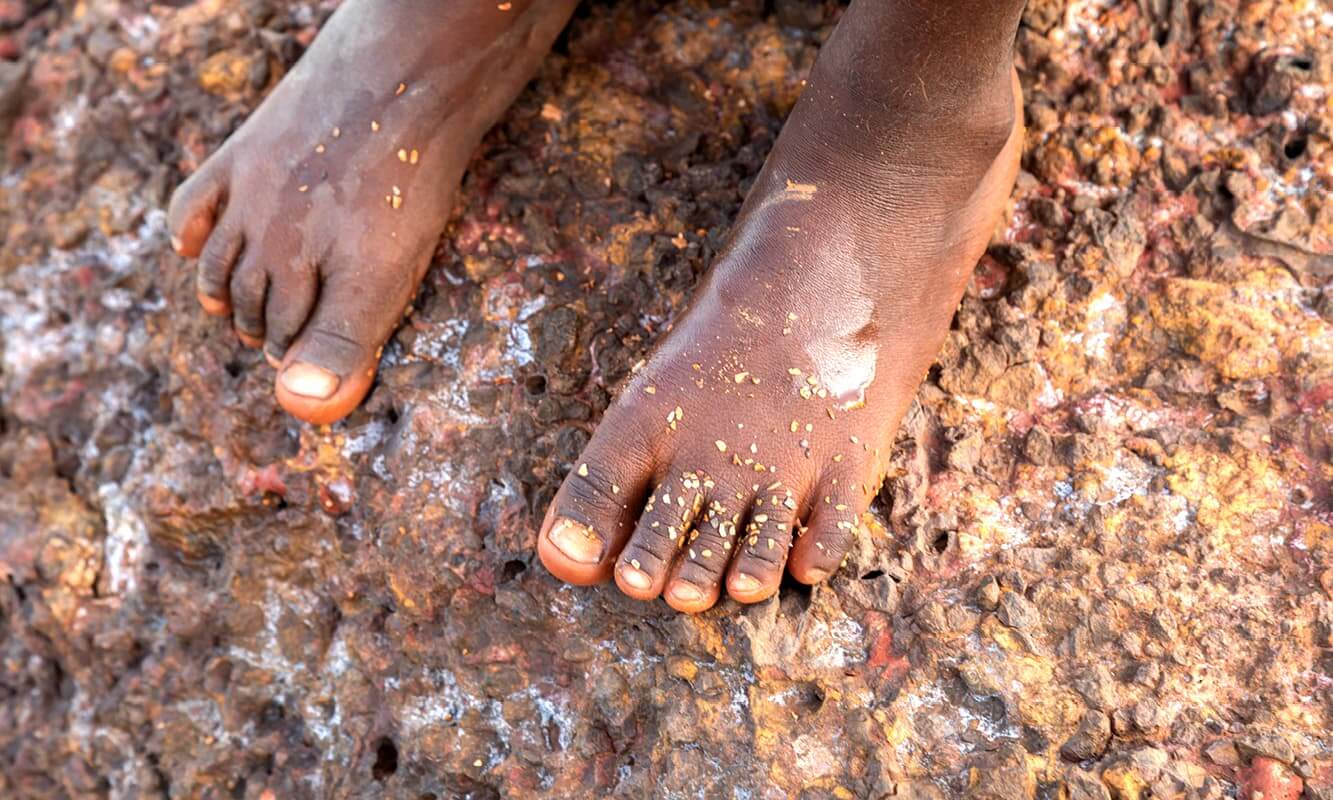
National Sorry Day on 26 May 2026, marks the 29th anniversary of the tabling of the Bringing Them Home report in 1997. It also acknowledges the Stolen Generations – the Aboriginal and Torres Strait Islander children forcibly removed from their families between the mid-1800s and 1980s.
The Bringing Them Home report concluded that the forced separation of First Nations children was a gross violation of human rights and constituted an act of genocide. To support healing, justice, and reconciliation, the report put forward 54 primary recommendations.
While about only six per cent of those recommendations were enacted, there was some change. Every Australian State and Territory incorporated the Child Placement Principle into their respective child protection laws. State departments became legally responsible for ensuring that a child placed outside their immediate community, maintains their connection to their language, culture, and country.
Twenty-nine years later the impact of this reform is characterized by a massive gap between the intent of the principle and the reality of its implementation. Critics point to issues with the implementation from placement focused mentality, funding imbalance and a shortage of First Nations approved carers.
In June 2024 there were 4961 of First Nations children in out-of-home care in Queensland, which is a rate of 42.9 per 1000 children.1 That figure is 9.3 times the rate for non-Indigenous children, though below the national average of 50.3 per 1000 of First Nations children.2
We must not forget the important lesson from the Bringing Them Home report when decisions about of First Nations children are being made – an effort must be made to preserve their cultural identity and their connection to country and language. Language is how cultural knowledge, law and history are shared in First Nations communities and a loss of language is equal to a loss of cultural identity.

This year’s National Sorry Day theme of From Sorry to Action is a call to action for all. There is still work that needs to continue. Healing requires not only acknowledgment, but commitment. As a profession, we can do more.
We can advocate for early legal support, housing, and family services to prevent children from entering the system. Law practices can support First Nations students into the legal profession by offering work experience and cadetships programs designed to provide experience.
Law practices can also implement mandatory trauma-informed cultural safety training to all stall and legal practitioners and implement best practice guidelines for lawyers working with First Nations Clients or stakeholders.
Listening to First Nations voices, honouring their lived experiences and acknowledging the importance of their connection to their cultural identity will help us to work together to build a future rooted in truth, justice, and equality.
National Sorry Day marks the beginning of National Reconciliation Week (27 May to 3 June). With this year’s theme of All In, we must commit wholeheartedly to reconciliation and recognising the value of First Nations culture every single day.
Footnotes
1 Aboriginal and Torres Strait Islander children | Our Performance accessed 20 May 2026
2 Ibid

Share this article