


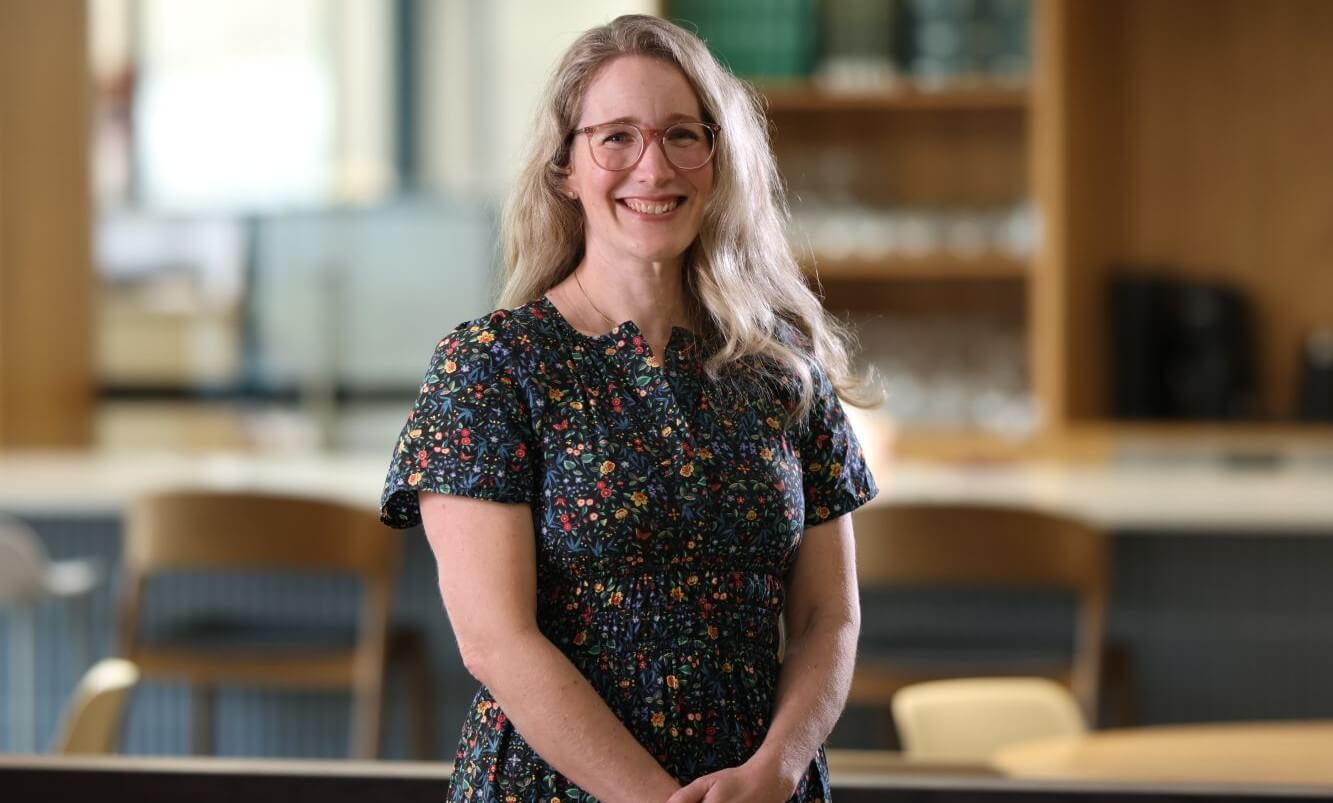
Medical lawyer Sarah Vallance says acting for dying patients is not just about the law – it is also about ethics and equal representation.
The Oak Medical Law Director, who has been in practice for two decades, will speak about the dying plaintiff at the inaugural Queensland Law Society Specialist Practice Conference in October.
Ms Vallance, who recently celebrated her 20-year milestone, said she had always wanted to be a medical negligence lawyer.
“Even at university, I knew that was my calling,” she said. “And having thought about why that is, I think it’s because it combines my three greatest passions – one being the law, the second being medicine, and thirdly, ethics.
“So that is what drew me to medical negligence in the first place, or medical law, in terms of why it is that I’ve always wanted to represent the plaintiff.
“Everyone deserves representation. And doctors through their insurers … they have access to those resources.

“Yet I think every person deserves not just representation, but quality representation and that’s harder to come by. I want to be able to provide that service to those people in often their toughest times.”
Ms Vallance said her commitment to medical law was solidified during her articled clerkship when she worked with patients at Bundaberg Hospital.
The experience cemented her decision to act for plaintiffs and highlighted the role lawyers played when patients suffered harm in the health system.
“It’s shaped my practice of the law because over time, I think I’ve really realised that you need to be able to speak as one person to another,” she said.
“So it’s really important that person can have trust and be open with you.
“So you don’t tend to wear suits these days. You don’t want to look too corporate. You want to look like someone that they can just have a chat to. And because they’re often going through tough times, it’s about knowing what they need.
“It’s a big thing to bring a lawyer and to ask them for advice when things have gone wrong and when they’ve lost trust with their doctors or their hospital.”
Working with a large cohort of patients in Bundaberg showed her that medical negligence law can deliver outcomes beyond individual compensation, contributing to broader health system accountability and reform.
“It was such a tragedy, but as a lawyer it really felt like we were part of a change to see the health system improve,” she said.
That broader advocacy has continued through her work on patient-focused issues, including voluntary assisted dying.
Ms Vallance said lawyers who regularly acted for patients developed insights that could inform government inquiries, law reform and improvements in care.
Although only a small proportion of medical negligence matters reached a courtroom, she said practitioners needed confidence in procedures available for urgent cases. The rarity of terminal illness claims also made training and shared professional knowledge even more important.
Ms Vallance said claims involving terminally ill plaintiffs required lawyers to move quickly, communicate clearly and understand the emotional weight carried by patients and their families. In these cases, delays could have serious consequences, including the risk that a claim might not be finalised before the patient dies.
“Someone with a terminal illness does not want to be involved in lengthy litigation, and they want it to be finalised,” she said.
“There is often a lot of peace of mind knowing that their claim has been finalised and that their family will be looked after.”
She said medical lawyers must be ready to use available legal mechanisms to expedite claims, preserve evidence and ensure the plaintiff’s account was recorded while they were still able to give it.
Ms Vallance hoped to help other practitioners understand the practical and ethical importance of acting swiftly, sensitively and effectively for patients nearing the end of life.
The QLS Special Practice Conference will be held from 7-9 October at Brisbane Convention & Exhibition Centre.
The inaugural event brings together the Society’s leading specialist conferences with new areas of practice to create Queensland’s premier specialist learning and networking event.
Attendees can earn six CPD points per day in specialist areas and if participants practise in more than one specialist area, they can choose from one, two or three-day passes.





Share this article