



Family, estate and elder law practitioners should not leave mediation until the last minute and suffer “the law of late”, a former Queensland Law Society Solicitor of the Year advised on Wednesday.
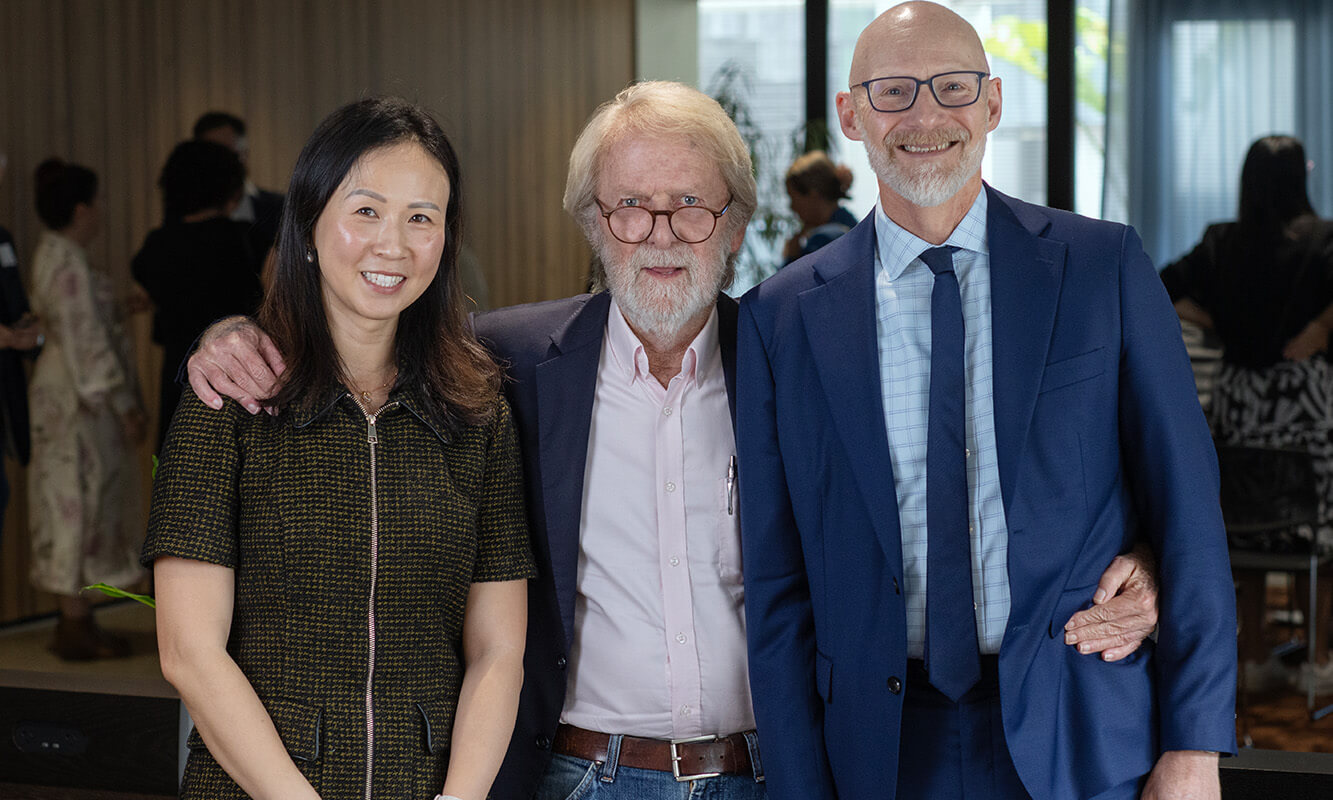
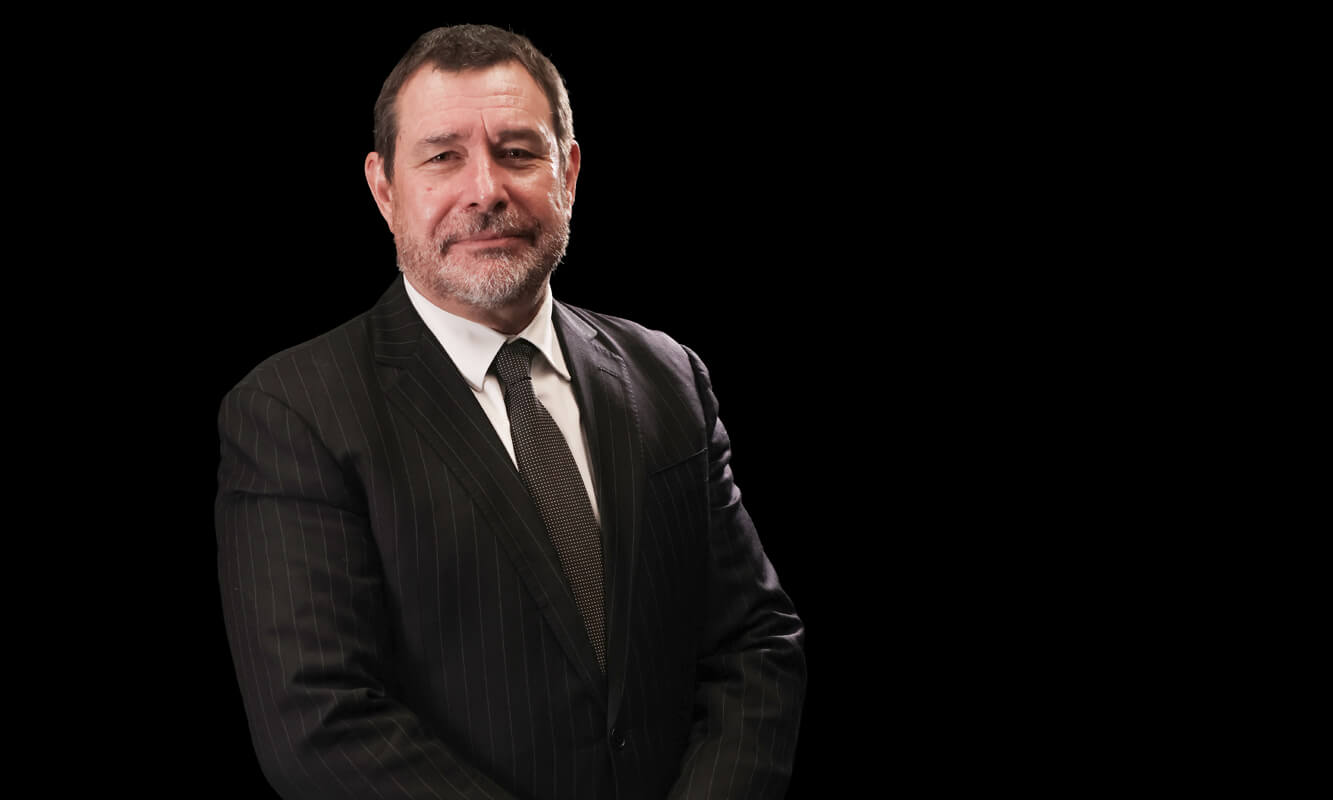
Former Elder Law Committee Chair and AMDRAS accredited mediator Brian Herd was speaking as part of an experienced panel with Family Dispute Resolution Practitioner and parenting co-ordinator Dora Ko and Chair of the State Committee, Resolution Institute Emma Robinson, at the second QLS Mediation Coffee catch-up – Exploring the future of mediation breakfast in Brisbane.
The event, facilitated by QLS Dispute Resolution Committee member Mark Brookes, was delivered in collaboration with Resolution Institute, which released its inaugural Mediation Audit Report in July after surveying mediators in Australia and New Zealand.
The 2026 report covers practitioner demographics, practice trends, growth areas and the future of the profession.
Among its key findings was an overall settlement rate of 88 per cent, significantly higher than government mediation schemes.
Mr Herd said after watching families interact for 42 years, he could identify dispute gestation.

“There is nothing more destructive, and mediation is a far more effective way of attacking the issue early as opposed to what lawyers do late, what I call ‘the law of late’, when most lawyers are involved in crisis management,” he told the 50-strong audience.
“So to that extent, I think mediation is far more useful and far more potentially restorative, if possible, in relationships, and therefore much better for society.”
He outlined that in his experience issues often began “where the poignancy and demands of ageing parents erupt amongst families who wait to try and solve themselves, end up in the slow demolition of their family”.
“So it goes from comment to concern to a complaint, to a crisis, to a catastrophe and the trouble with lawyers is that they tend to come to us in the sea change, the crisis change stage.
“So lawyers are then trained to think about the natural thing to do as lawyers, which is to litigate.
“Now litigation, of course, is a family destroyer.
“We’re not talking about here Party A v Party B in a commercial transaction; we’re talking here about intimate family relationships and ongoing family relationships.
“For me, that’s even more important and preserving that to the extent possible is something that I’m particularly passionate about.”
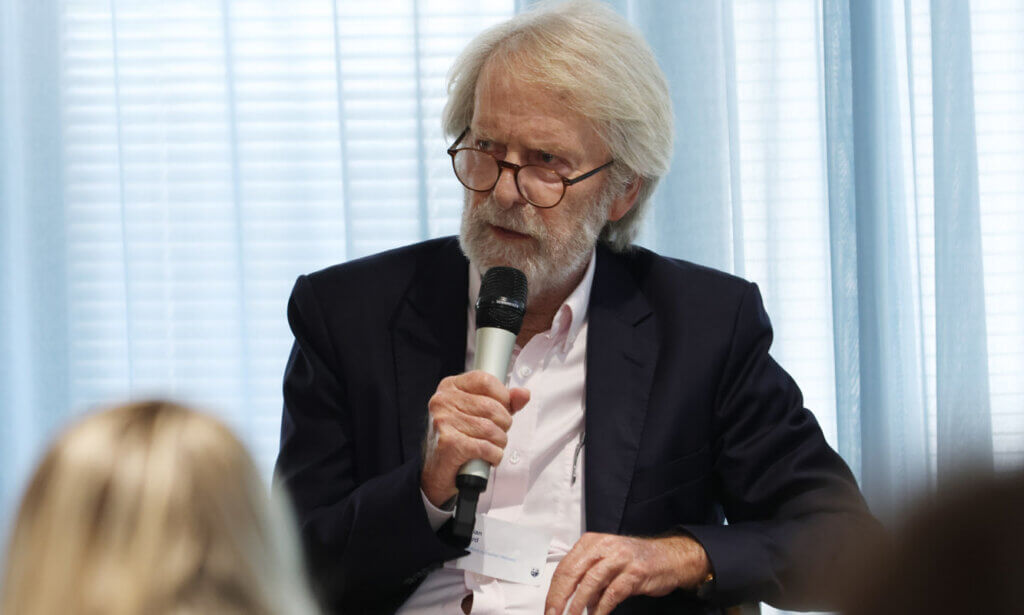
Mr Herd likened the mediation process involving elder law to a spicy soup.
“I often see ageing like a large vat or cauldron into which we pour large dollops of people and their families,” he said.
“They can be stirred and be seasoned to taste with some cracked pepper from incapacity.
“Some jalapenos from children’s repressed enmities and jealousies.
“Some chilli paste from inheritance expectations and finally, a large squirt of wasabi paste from the law.
“We stir it in. It bubbles and ferments and gurgles to produce that well-known later life event, the dysfunctional family.”
The report identified clear growth opportunities in elder, workplace and family mediation with respondents selecting family law (40 per cent) and HR and workplace (35 per cent) as having the most demand.
It also revealed that mediation was a second career for many with practitioners coming from law, psychology, social and community work. Twenty-five per cent described mediation work as full-time.
Ms Ko, who was formerly a Judicial Registrar in the Federal Circuit and Family Court of Australia and Senior Associate at Hartley Family Law, said lawyers could transfer their skills to become mediators but needed to change their focus from being a client advocate.
“I think for me that was something that I really had to change,” the self-employed mediator said.
“When I’m reading material, for example, as a lawyer, you’re always reading it from one side because you’re advocating for your client.
“You’re thinking about, even if you’re reading their material, how am I going to respond? How’s my client?
“So for me, it was a real change, sitting in the middle, reading it.”
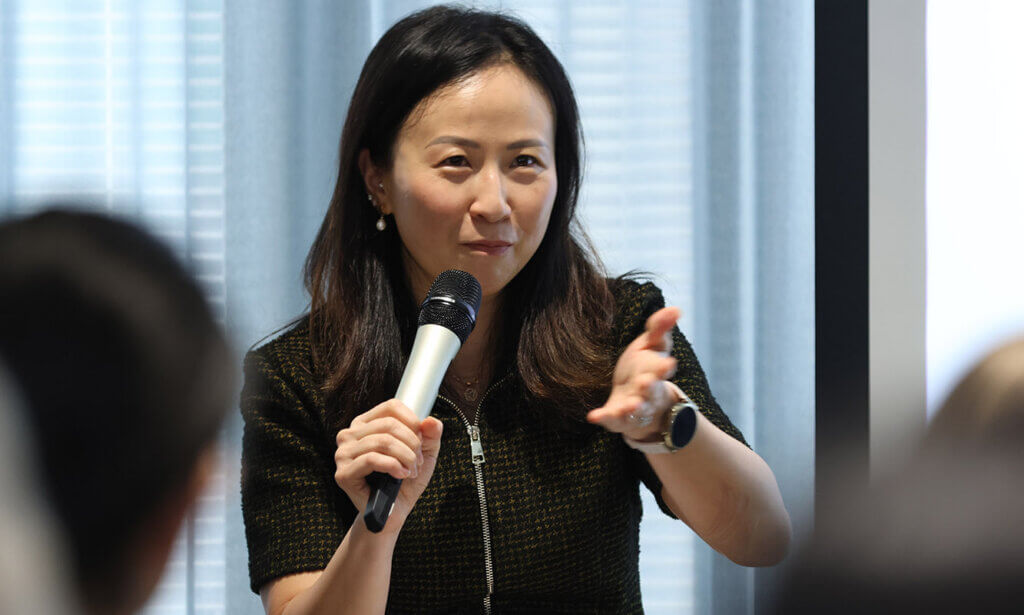
Ms Ko said listening, acknowledging, reframing, summarising and questioning made a good mediator and helped achieve resolution.
“And I think for me, what makes a good mediator is someone who is able to do that naturally, compassionately and empathetically,” she said.
“Also it’s really important as a mediator, as I’m still learning, is to be able to be flexible and adaptable.
“Obviously, I’m not following a set model or structure every time for every mediation because every client is different.
“The dynamic with the solicitor or the barrister in the room is also different for every mediation. So it’s having those skills to better flex and respond as needed.”
The report reflected the high skill level needed as a mediator, with 98 per cent of respondents holding a relevant accreditation. Ms Ko said cultural skills at mediations were also becoming increasingly important.
She quoted 2021 statistics which showed more than 50 per cent of the Australian population was from a culturally diverse background, meaning they’re first generation or second-generation migrant.
“Now, in a family context, and I think that would include elder law, it’s incredibly important and culture is really influential. Statistically, one half of your work could involve clients from a culturally diverse background.
“We’re working at how they make decisions in terms of their finances, structuring their finances, or how they bring up their children, what’s culturally acceptable or not.
“It’s really important to be able to understand those things. It’s not just language. I think language is a big part, but it’s understanding what informs them behind it all.”
And while the profession is highly experienced, the report revealed that more than 75 per cent of mediators were aged over 50 with one in six aged over 70. It warned that without active development of early and mid-career mediators, there is a risk of losing practical knowledge and experience over the next decade.
Mr Herd urged lawyers to consider mediation accreditation.
“It is a distinct skill that I didn’t have as a lawyer,” he said. “The mindset’s totally different.
“So from that point of view, getting that training is essential to make that leap, that crossover to another skill set for me, at least.”
Ms Ko advised young and upcoming mediators to take “every opportunity”. She noted her past experience, such as working at a community legal centre, working at the court, volunteering and sitting on boards helped her develop the skills to become an effective mediator.
“Learning how different organisations work, learning to work with different people, sitting on various boards in different areas. It’s been incredibly helpful for me to have networks and support.”






Share this article