




While the Queensland Law Society is supportive of the State Government’s crackdown on illegal tobacco and vape trading, it has concerns about the impact new legislation could have on law-abiding lessors and legal costs.
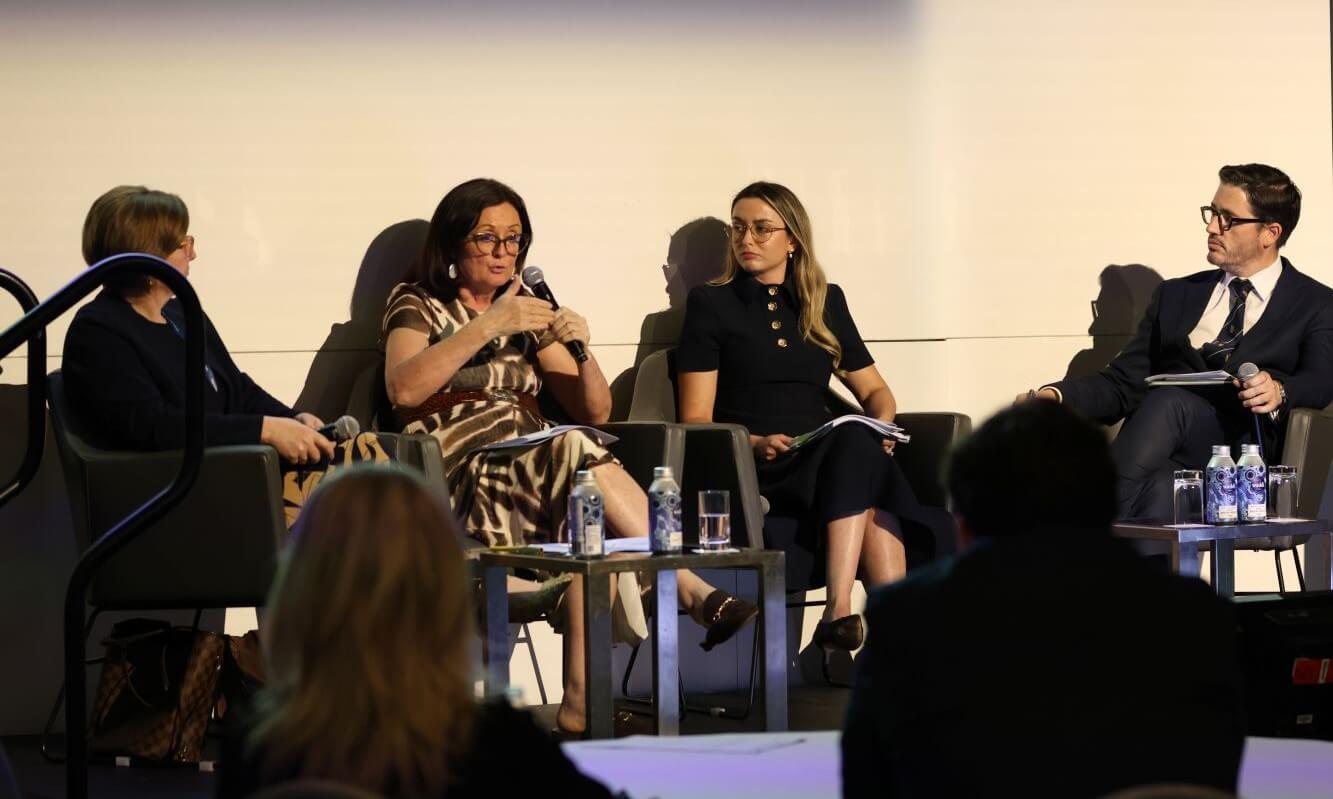
Society representatives appeared at this week’s public hearing with the Health, Environment and Innovation Committee on the Tobacco and Other Smoking Products (Dismantling Illegal Trade) and Other Legislation Amendment Bill 2025.
QLS Vice President Peter Jolly said the Society recognised the significant and growing challenge in Australia posed by illegal tobacco and vapes and supported all appropriate measures to eliminate the black-market trade.
“These illegal activities undermine public health objectives, threaten community safety and create economic harm by fuelling organised crime,” he told the committee.
“So addressing this issue does require a concerted effort across all levels of government.
“The Bill’s objectives, including disrupting, and hopefully, eliminating the activities of organised crime groups involved in facilitating illicit tobacco and smoking product sales, are admirable.”

The changes will allow Queensland Health to shut down illegal businesses for three months (up from 72 hours), while the courts will be empowered to close businesses for up to 12 months (up from a maximum of six months).
There is also a new criminal offence for commercial landlords who knowingly permit premises to be used for the supply of illicit tobacco or nicotine products, with a maximum penalty of a $161,300 fine and one year in jail.
He said the Society also welcomed the amendments made to the Bill following earlier feedback.
“The Society’s key interest is, of course, to ensure that fundamental legal principles are not undermined or impacted by any law reform, and we want to make sure that innocent parties who may be caught up in the commercial structures used by organised crime groups are not unintentionally, and perhaps disproportionally, affected by the proposed reforms,” Peter said.
“The Society does have some concerns that the proposed lessor’s right to terminate a lease following a short-term closure order may lead to unintended consequences.
“This is particularly concerning where a magistrate has not yet issued a long-term closure order, or the lessee has not yet been found to have committed an offence, but the lessor may feel compelled to take action to protect their position.
“Lessors may also face financial loss or personal safety risks when terminating leases. “If the lease is part of an organised crime group or one involved in criminal activities, the lessor may be reluctant to terminate a lease due to fear of reprisals or repercussions.
“In our view, these issues are not adequately addressed in the Bill.”
Peter said the lessor offence provision was “a substantial shift in the law, which affects legal responsibility and risk allocation between lessors and lessees”.
“The Society does have concerns that the offence is cast in very broad terms, and the defence – that the lessor has a reasonable excuse – is unclear and does not adequately address those concerns,” he said.
“And so additionally the reforms may also disproportionately affect smaller, or even regional lessors, who may have fewer options when it comes to securing tenants for their premises and so are possibly more vulnerable to commercial risks.”
The Member for Hervey Bay David Lee queried whether the lessor offence provision, in particular the reasonable excuse defence, needed further legislative clarification.
QLS Senior Policy Solicitor Bridget Cook replied, saying: “The short answer is yes. Further clarification would be helpful, particularly because this offence is a novel offence.”
“For potential landlords who are impacted by this, and that includes the potentially law-abiding ones under a suspicion that these types of activities are occurring on their premises, I think further clarification in the bill as to what constitutes a reasonable excuse would be welcomed.
“It was indicated at the public hearing that the type of conduct that is looking to be stamped out by having this offence provision introduced to be increasingly violent in nature.
“We would welcome further clarification around whether a lessor has a reasonable belief that their safety is compromised is a reasonable excuse not to take steps to cease a tenancy agreement.”
Committee Chair and Member for Southport Rob Molhoek commented that a threat to safety could be “quite difficult to prove”.
Peter agreed saying: “It could, but I think we are aware that the people who are operating in this space are not very nice people and they do not operate within the boundaries of the law so I think we need to have some mechanism that does allow for the possibility that someone is in real fear for their safety.”
“How that might be documented or proved might be a little more problematic.”
The Member for Greenslopes Joe Kelly asked if guidelines should be developed for landlords to work through the issues as a result, if this bill was introduced and enacted.
Peter said: “I think that is always going to be helpful, with an opportunity perhaps to get further input from the profession- from the landlords themselves, from landlord groups.”
He said the Society also held fears the provisions would add “more legal complexity to the retail leasing process and possibly increase legal fees as a result which are charged to both lessors and lessees”.
“For example, we contemplate the lessor will now need to obtain specific legal advice before leasing their premises to businesses such as tobacconists, vape stores, convenience stores, newsagents, gift shops, even service stations,” he said.
“That cost is likely to be passed on to lessees (including lawfully operating lessees) through increased rent, which will ultimately be passed on to consumers.
“The costs of going through a court process to obtain compensation is also of concern. While the Society strongly supports the right to compensation when a closure order is revoked, wrongfully made or invalid, the court process will increase legal costs and complexity and might also delay payment of compensation to an innocent party.”
The committee is due to table its report on 7 November.






Share this article