



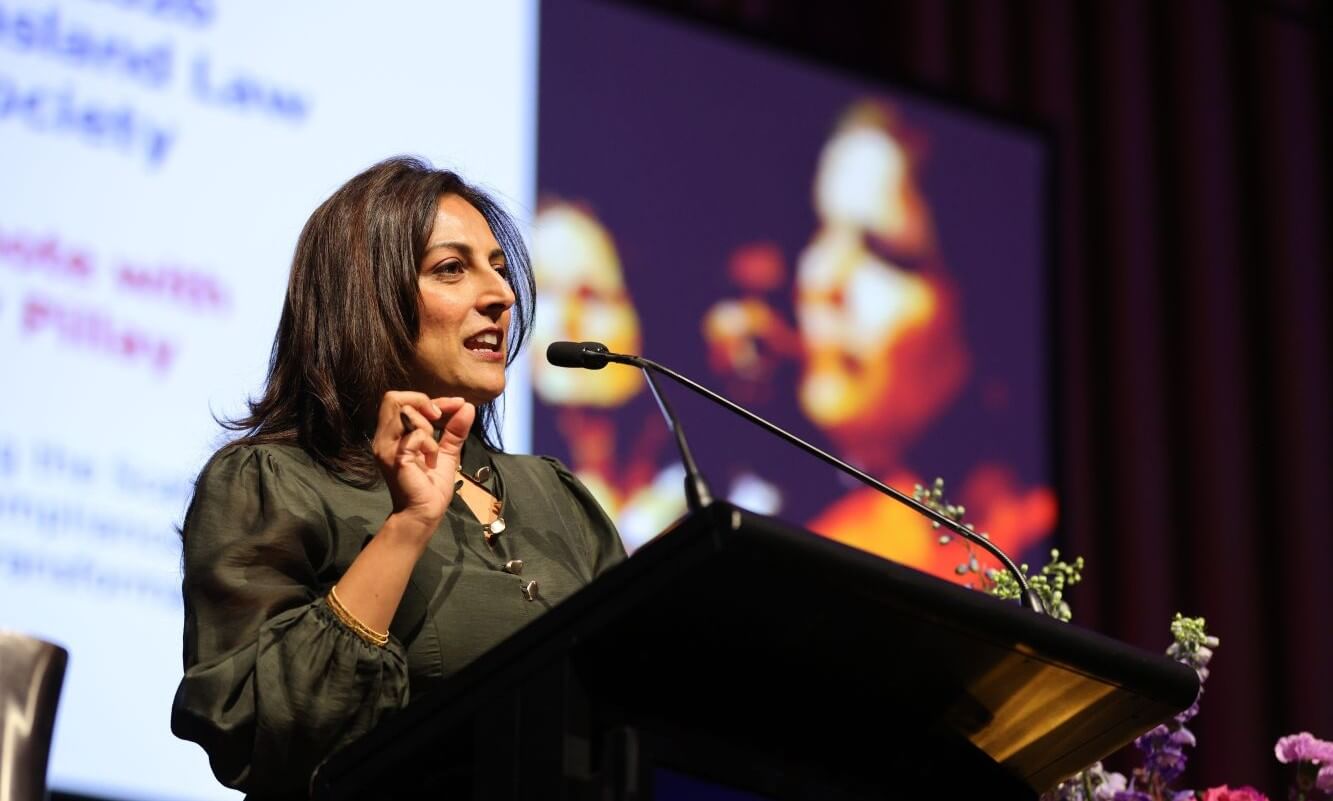
As someone who looked to the law for fairness, equity and inclusion management consultant Div Pillay says the legal profession is vital to balancing gender equality.
The CEO of MindTribes was the keynote speaker at the Queensland Law Society International Women’s Day Breakfast this morning on this year’s UN Women Australia theme of Balance the Scales, focusing on From Compliance to Cultural Transformation.
And Ms Pillay spoke to the Brisbane City Hall audience from lived experience, having grown up in a segregated South Africa before migrating to Australia 23 years ago.
“And when we speak about justice and fairness in this country, we do so on land where justice has not historically been experienced equally,” she said.
“That context matters not to weigh us down, but to remind us that seasons are shaped by history, power, and design.
“And I say that because I was born and raised into the Group Areas Act. So if anyone knows South Africa, you would know that it was constitutionally recognised to racially segregate people.

“The law governed everything, where we lived, where we worked, where we studied.
“It was wonderful to be able to do my PhD at Central Queensland University because I wasn’t allowed to go to an open university. I had to go to an Indian segregated university.
“My mum went to an Indian technical training college because it was designated education was segregated.
“When you leave, it was segregated. We even had a parks and recreation act that prohibited us from going to anything that was deemed a park.
“So I learned to swim in Australia, which is wonderful with my kids. You could smell the ocean in Durban, but not get onto the sand and go to the beach and experience the ocean.”
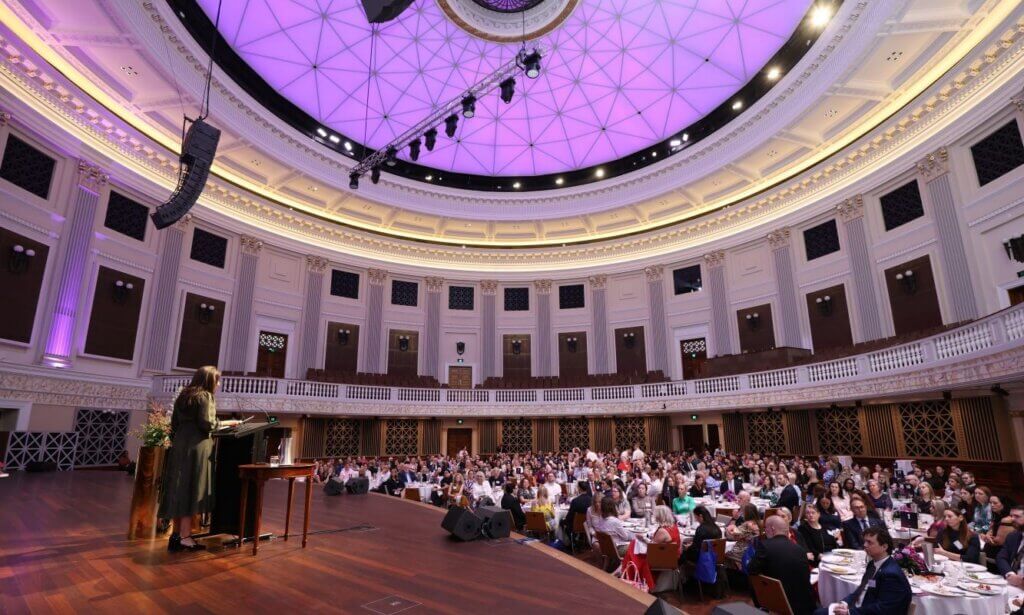
Facing that background, Ms Pillay said it was “surreal” to be on stage for the event, which also raises funds for Women’s Legal Service Queensland.
“It’s not often that women of colour cover the main stages on International Women’s Day,” she said.
“So it’s surreal for me to be here at QLS on International Women’s Day because basically my whole entire life into my 20s was really about the law governing where I could go, where I could study, where I could work.
“I speak to be able to amplify messages of gender intersectionality and some of our research work.
“So I kind of got into it to scale that voice. But it’s interesting to find that over the last couple of years, you will absolutely not find on LinkedIn women of colour being the main gig, the headline gig, as the keynote speaker.
“They’re often the last additions on a panel of four, because they actually realise that they haven’t got that gender intersectionality.”
Ms Pillay said this year’s IWD theme was a call to action and not just in terms of workplace compliance but in leadership and behaviours in the legal profession.
“It acts as a call to action for systemic change to ensure fair, inclusive, and accessible justice for women and girls, addressing gender-based violence, discrimination, and inequality in legal and social systems,” she said.
“So it puts this audience right in that narrow lane of making change and we are speaking at a time when society itself is pretty fractured.
“Globally, you will know, we are witnessing polarization, democratic strain, geopolitical instability, war, and widening inequality. Locally, we see economic pressures, housing insecurity, and declining trust in institutions.
“Public discourse feels a little sharper, division feels a little deeper. And in a moment like this, the legal profession matters profoundly.
“Because when societies feel unstable, people look to the law for fairness, for protection, for human rights, for accountability. So I feel like talking to an audience that gets it really clearly.
“Because you are one of the custodians of the most powerful stabilizing forces in democracy. I have felt that in South Africa and the change in the government and the law. It is central.”
Backed by qualitative data and research, Ms Pillay said the scales of equity and inclusion had moved because the law had moved.
“I feel the law has played a significant role in the last 20 years for gender equality,” she said.
“It’s because the law has been really that we’ve had the authorizing environment and the obligation and the compliance.
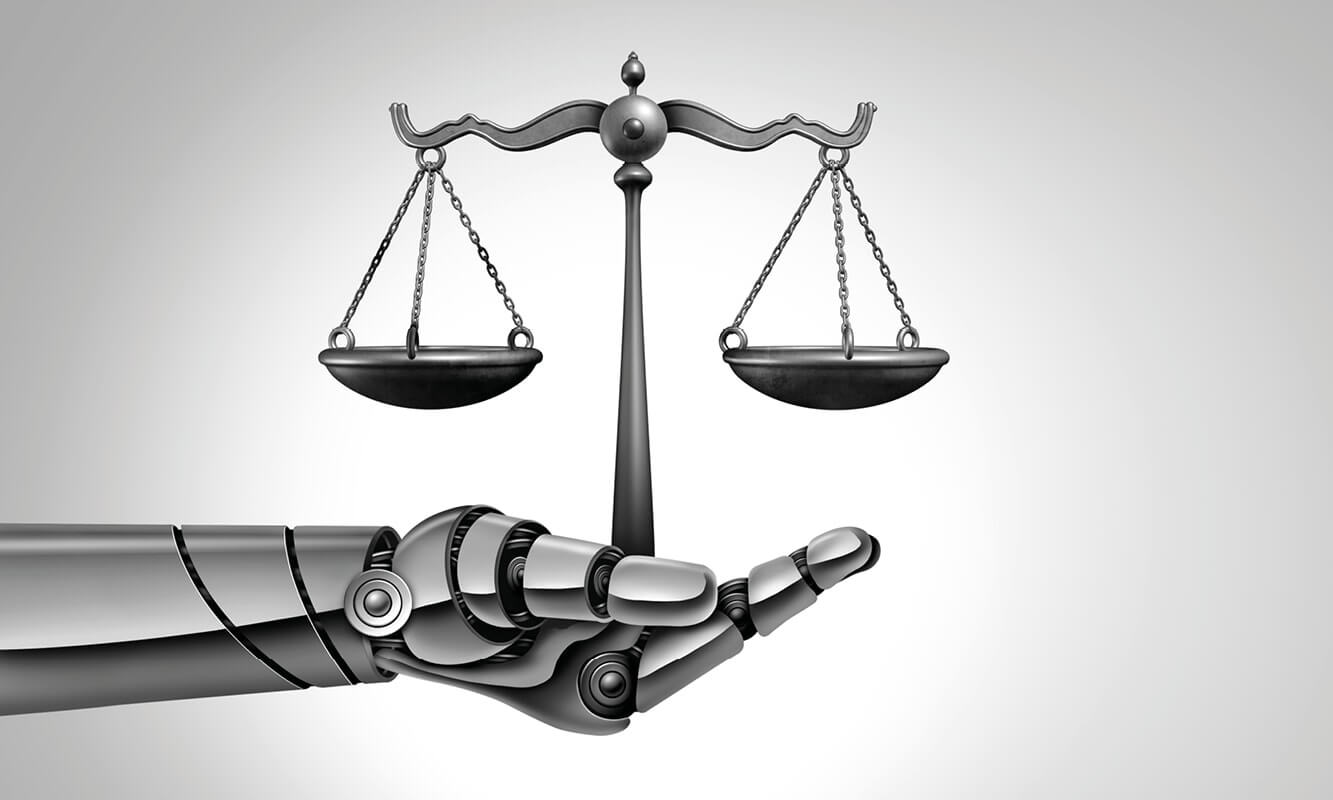
“But when you think about the other thing – scales, scales respond to weight, and right now in Australia, the scales are shifting because the law has put that weight and that obligation.
“But I want you to know, it’s just not compliance. It is good governance; it is good risk management; but ultimately, it’s leadership accountability.
“And we feel that we work with a lot of private and public sector law firms in our firm, and we know it is that boardroom; it is those partners that will do the compliance to get to that mark, whether they go any further is really about attitudes of belief and choice and decision making, ethical decision making.”
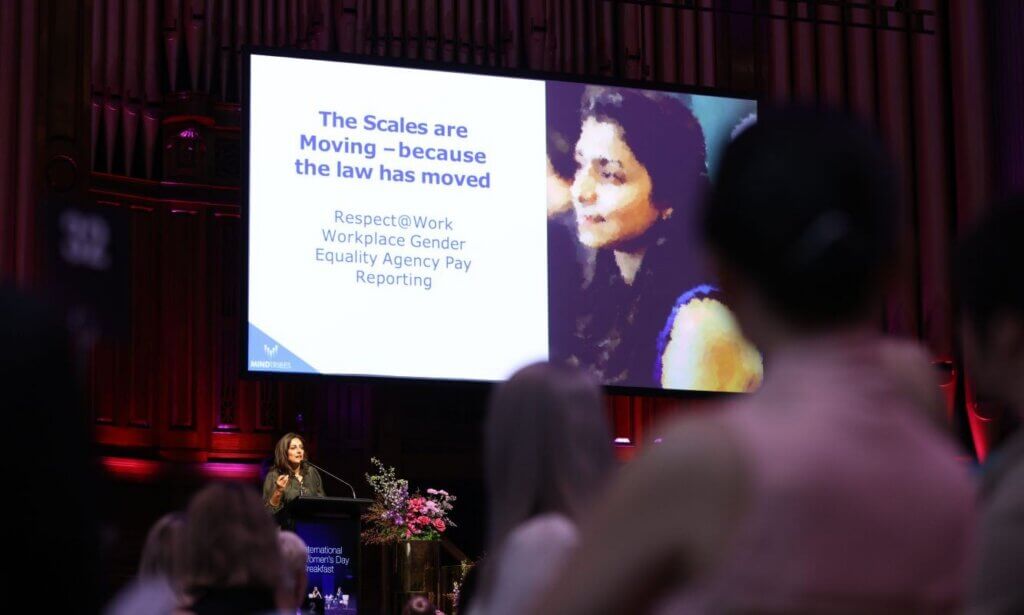
Ms Pillay said intersectionality was key in her work.
“I want you to have that conversation back in your firms and in those spaces and in those circles,” she said.
“I want you to let them at the table. Who’s not here? Where are all those women of colour, First Nations women? You know, where they’re represented, where they’re not.
“Because this intersectional lens makes the data human. It tells us something critical, and it tells us that workplace culture and representation is experienced unevenly.”
In wrapping up, Ms Pillay said in these fractured times, institutions could really lead the way.
“And balancing the scales is not about tipping those, so some people feel that it’s unfair and we’re going to deal with the backlash of that,” she said.
“It really is about restoring equality and equilibrium. So the law has moved. The evidence is clear, I hope, for you.
“And the question now is, what weight are you at? Where are you weighing in? What are you doing?
“And it’s not about what happens outwardly only in your communities, in your courtrooms, in your out-facing obligations.
“It’s what happens in the workforce. We often have clients who say to us that they do so much, and when we interrogate how much they’ve done, it’s really outward-facing.
“It’s in charities, it’s in getting to women’s refuges, it’s doing the pro bono work, and they’ve ignored their workforce very much. So I’m asking you to look a little inwardly, to look a little deeper.”
Keep an eye on Proctor for more IWD articles and event photos.



Share this article