



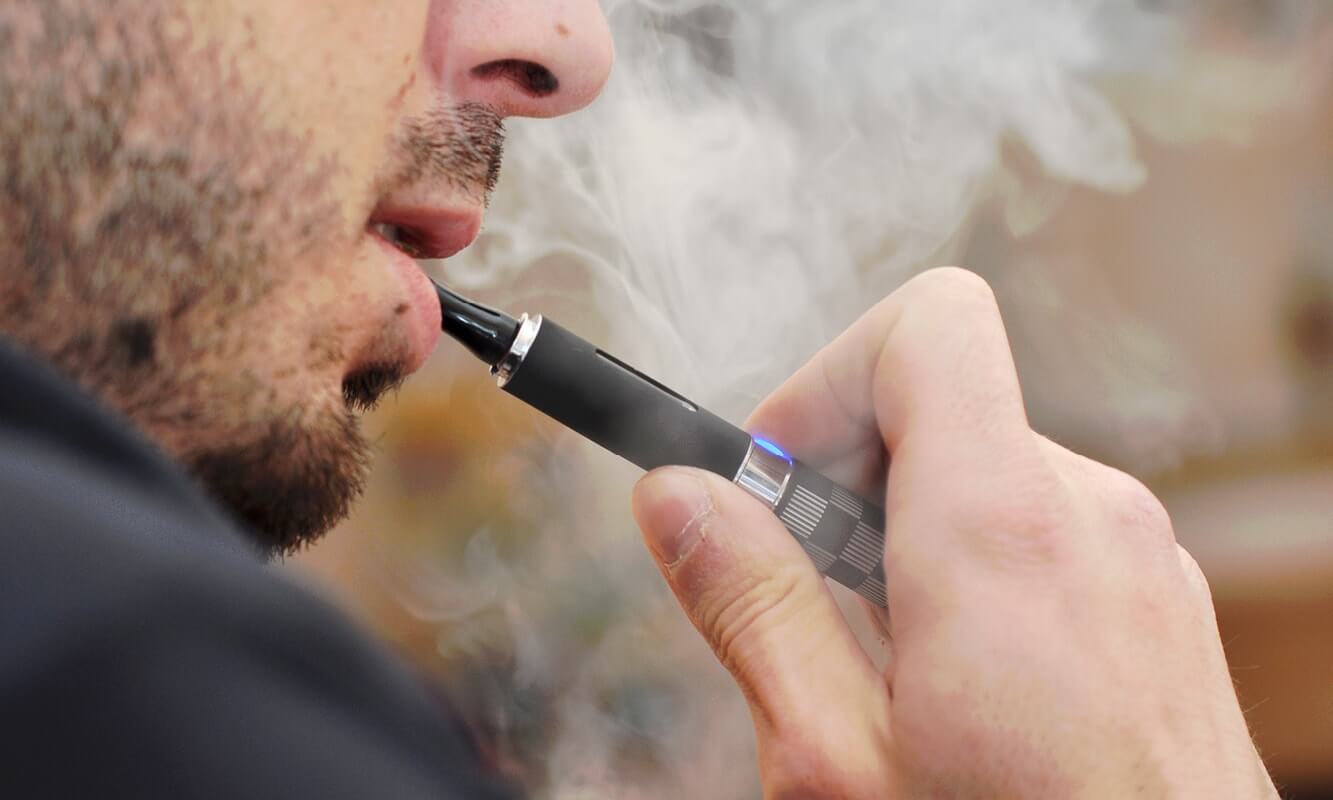
Queensland Health authorities conducted co-ordinated raids on tobacco and vape sellers across the state earlier this year, closing 148 stores selling illicit tobacco and illicit nicotine products and seizing millions of dollars’ worth of products.
The enforcement action targeted tobacconists, vape stores, convenience stores and gift shops after Queensland Health’s powers were expanded under amendments to the Tobacco and Other Smoking Products Act 1998 (Qld) (the Act).
The amendments, which came into effect on 24 November 2025, are aimed at disrupting the trade of illicit tobacco and nicotine products in Queensland. This includes significant shifts in Queensland leasing law with the introduction of a statutory right to terminate leases of closed premises and the imposition of criminal and civil liability on lessors.
Below are the key provisions governing a lessor’s right to terminate a lease where premises have been closed under the Act.
Closure powers
Section 209B of the Act empowers the chief executive to issue a short-term closure order that requires premises to close for 90 days where illicit tobacco or illicit nicotine products are being supplied or possessed as part of a business activity.

Additionally, under s 209BA, a magistrate may impose a long-term closure order of not more than one year if illicit tobacco or illicit nicotine products have been or are likely to be, supplied or possessed at the premises as part of a business activity.
While a closure order is in force, the premises must remain closed to the public, and no products or services can be supplied at the premises.
Notice to relevant lessor
If the closed premises are leased (which includes any right to occupy the premises), the lessor must be notified. The chief executive must give the relevant lessor a copy of the closure order and a notice containing information specified in s 209CB(2) of the Act within seven days after the closure order is made. However, these obligations do not apply if it is not reasonably practicable to give the documents.
A ‘relevant lessor’ of premises, as defined in s 209CA, is the person who:
- leases the premises directly to a person conducting a business that involves supplying or possessing illicit tobacco, illicit nicotine products or smoking products at the premises; or
- otherwise directly allows a person conducting a business that involves supplying or possessing illicit tobacco, illicit nicotine products or smoking products at the premises to occupy the premises.
However, this does not include a person, such as a head lessor, who leases the premises to a person who is not occupying the premises for the purpose of conducting a tobacco business at the premises. Therefore, the chief executive may not be obliged to give a copy of a closure order to a head lessor of subleased premises.
Lessor’s right to terminate lease
New s 209CC of the Act gives a relevant lessor a statutory right to terminate a lease of premises if a short-term or long-term closure order has been made in relation to the premises. The lessor can exercise their termination right at any time during the closure period stated in the closure order.
This right is intended to give lessors the ability to remove the lessee and re-lease their premises without the need for a criminal conviction or court order against the lessee. Terminating the lease may also reduce a lessor’s exposure to criminal or civil liability under ss 209CE–209CF of the Act.
This termination right:
- applies to leases entered both before and after commencement of the amendments
- overrides any contrary lease term or applicable Queensland legislation in relation to the termination, but does not limit or affect any other right of termination the lessor has in addition to this statutory right
- does not override any requirements under Commonwealth legislation, such as franchising legislation
- applies even if the closure order is later revoked, found to have been wrongfully made or found by a court to be invalid
- treats the lease termination as termination for repudiation of the lease by the lessee and preserves the lessor’s rights and powers in relation to a repudiation, including the right to claim damages or a rental bond.
Termination process
To terminate a lease, the relevant lessor must give the lessee a termination notice in the approved form under s 209CC of the Act. The termination notice must be given before the closure order ends and must state a termination day that is at least 14 days after giving the notice.
The approved form of termination notice is not currently available online. Queensland Health has advised QLS they have been giving relevant lessors a copy of the approved form with the copy of the closure order. A fillable PDF version is expected to be available on Queensland Health’s website in the future.
Post-termination rights and obligations
If a relevant lessor terminates a lease under s 209CC of the Act, they may enter and take possession of the premises after termination. If the lessee has not removed their property from the premises, the lessor may deal with the property as they consider appropriate, including disposing of it. These powers are additional to any other rights the lessor may have to deal with property left on the premises.
The closure order will end when the lease ends. Under s 209CD(1) of the Act, the relevant lessor must notify the chief executive within seven days after the lease ends. Failure to notify the chief executive without reasonable excuse may attract a maximum penalty equivalent to 10 penalty units. Queensland Health will give relevant lessors an approved notification form with the copy of the closure notice.
Despite the closure order ending with the lease, the closure order will be reinstated if the premises are re-leased to the same lessee during the original closure period. If this occurs, the premises must be closed for the remainder of the closure period stated in the closure notice.
No lessee compensation
If the lease is terminated under s 209CC, the relevant lessor will not be liable for damages or compensation, on any ground, to any person in relation to the lease termination.
Further, the lessee is not entitled to bring proceedings (including a mediation application) against the following persons, on any grounds, in relation to the lease termination under the Act:
- the relevant lessor
- a person, such as a head lessor, who leases the premises to a person who is not occupying the premises for the purpose of conducting a tobacco business at the premises.
Importantly, the following provisions do not apply in relation to the termination:
- part 9, division 5 of the Property Law Act 2023 (Qld)
- part 8 of the Retail Shop Leases Act 1994 (Qld)
- part 3 of the Small Business Commissioner Act 2022 (Qld).
The intent of these limitations is to give lessors appropriate protections and commercial certainty when lawfully exercising their right to terminate a lease under the Act. This may incentivise lessors to evict illegal operators, which will reduce premises available for illegal activities.
However, an innocent lessee will not lose all their rights. If a lease is terminated and the closure order is later revoked, found to have been wrongfully made or found by a court to be invalid, the lessee may be able to claim compensation from the State under s 219 of the Act.
Further, these provisions do not affect any right a lessee has to bring an action against a relevant lessor on grounds unrelated to the lease termination under the Act. For example, if a lessor breached a lease before terminating it under the Act, the lessee will retain its right to bring a proceeding against the lessor for that breach.
Criminal offence and civil penalty
While not explicitly stated in the Act or Explanatory Notes, it appears that a lessor may risk being charged with a criminal offence under s 209CEif they receive a copy of a closure order from Queensland Health and do not take action to terminate the lease under s 209CC of the Act.
Conclusion and practical implications
As these amendments mark a significant change in leasing law and practice, we recommend practitioners who act for lessors of retail and commercial premises:
- Familiarise themselves with the amendments and the termination process.
- Review their lease templates to determine whether clauses such as insurance requirements, notification obligations, termination rights, indemnities and costs/damages clauses need updating in line with the amended Act.
- If acting for a head lessor, consider including a clause in any new lease to require the lessee (sub lessor) to give the head lessor a copy of any closure order they receive.
- Consider whether the security deposit is sufficient to cover the lessor’s potential costs and losses if a closure order is issued and the lease is terminated under the Act.
- Consider whether the lessor’s insurance is sufficient to cover the increased risks from leasing to a business that sells tobacco products or may be involved in the sale or possession of illicit tobacco or illicit nicotine products.
- Advise clients on the risks of not terminating a lease of premises subject to a closure order.
- If the premises are subject to a franchise agreement, consider the requirements of the franchising legislation and the franchise agreement when giving advice on terminating a lease under the Act.
Endnotes:
Refer to the Schedule 1 of the Act for definitions of the terms closure order, illicit nicotine products, illicit tobacco, lease, long-term closure order, premises, relevant lessor, short-term closure order, smoking products and tobacco business.
For further information see:






Share this article