



Queensland succession practitioners are increasingly being called upon to navigate the complex world of informal wills, as courts continue to grapple with documents ranging from handwritten notes to smartphone records that fail to meet traditional execution requirements.
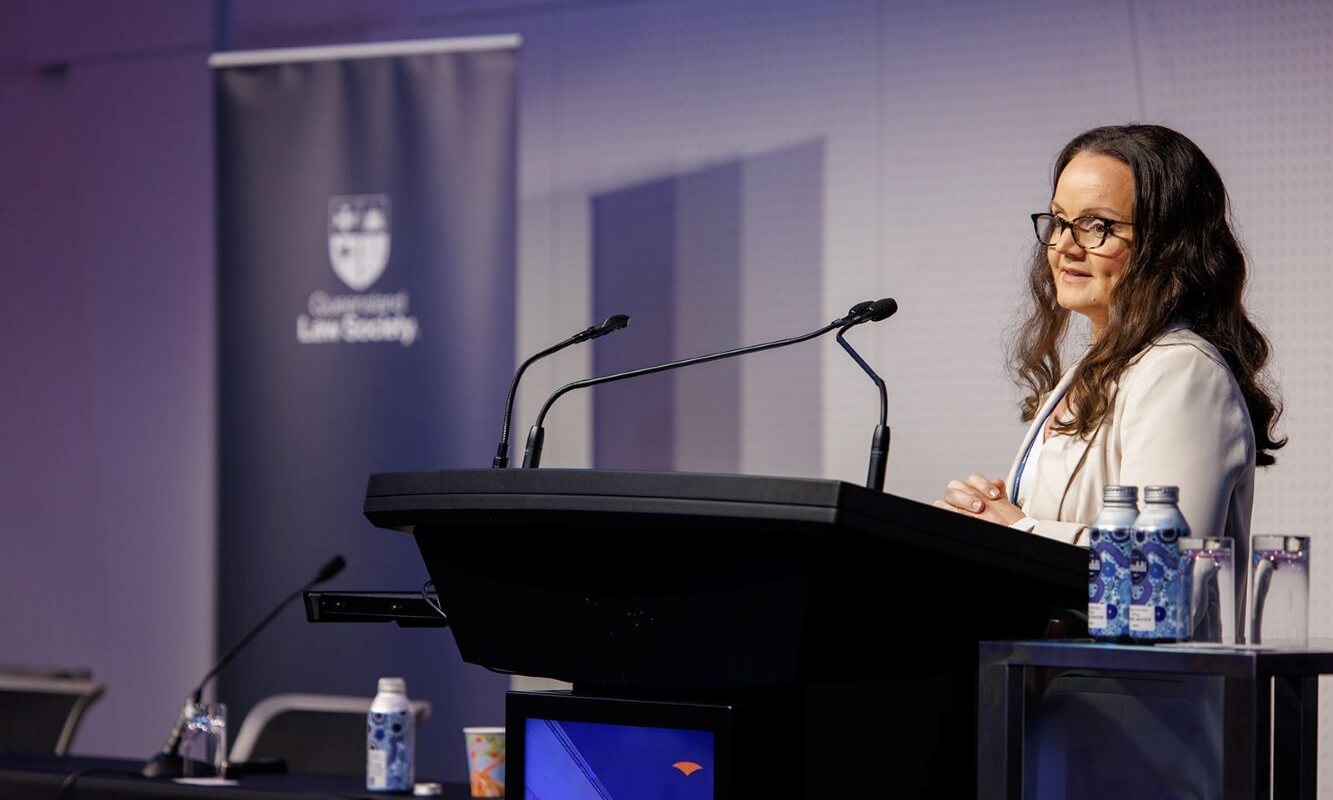
Speaking at the Queensland Law Society Specialist Practice Conference last week, succession law specialist Hannah Kulaga, Senior Associate at Robbins Watson Solicitors, explored the legal principles, practical challenges and emerging case law surrounding informal will applications under the Succession Act 1981 (Qld).
The session examined how courts assess documents that fall short of the formal requirements for a valid will yet may nevertheless be admitted to probate if sufficient evidence exists of the deceased’s testamentary intentions.
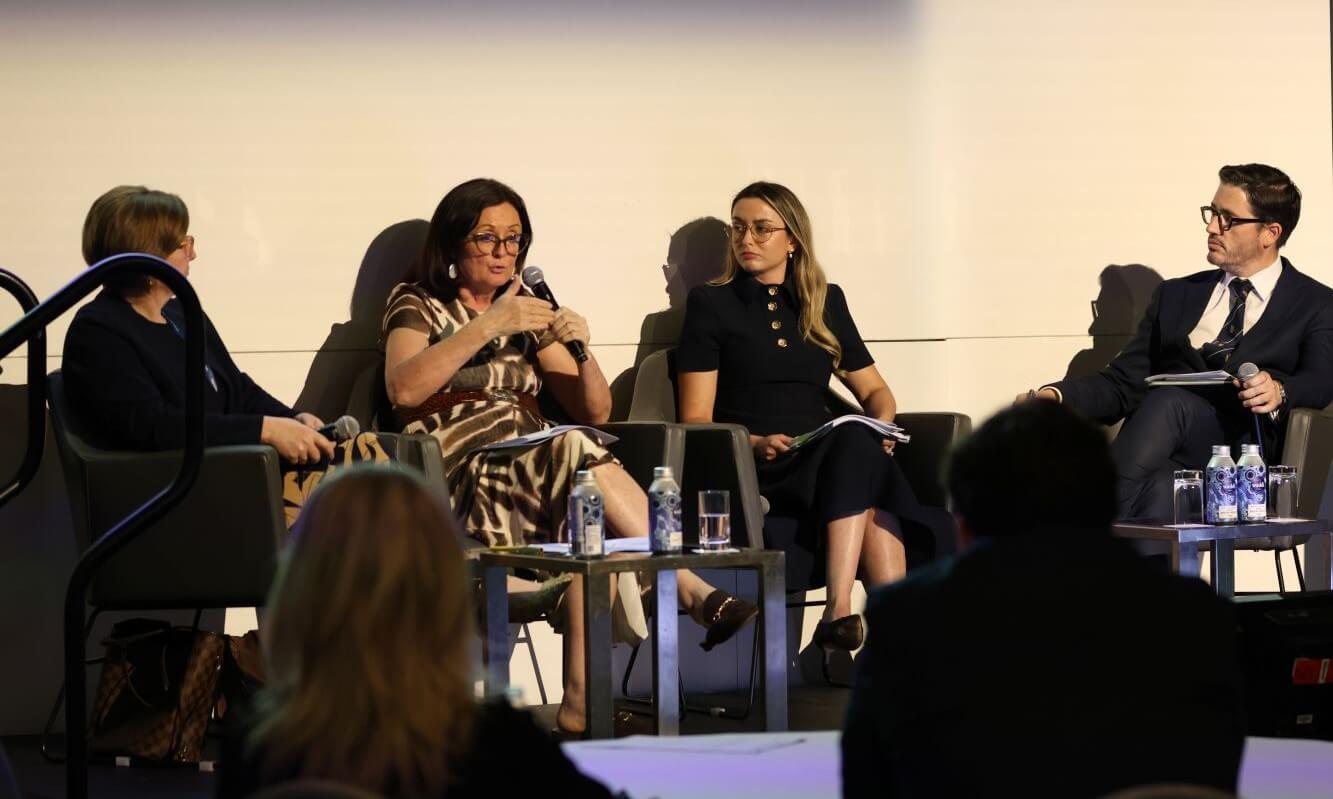
Opening the session, BillWill founder Colin Zacharia-Jowell reflected on the growing importance of effective estate planning and the role technology can play in helping people keep their wishes up to date.
Ms Kulaga said succession lawyers are increasingly encountering unconventional documents that require careful analysis before determining whether an application should be made under section 18 of the Succession Act.
The presentation focused on the operation of sections 10 and 18 of the Act. While section 10 sets out the formal requirements for executing a valid will, section 18 gives the court discretion to dispense with those requirements where it can be shown that the deceased intended the document to operate as their will.

Ms Kulaga said practitioners should avoid assuming that unusual or imperfect documents automatically require an informal will application.
“A handwritten document, an undated document, a document with signatures in the margin instead of the bottom, or any of those types of things, may still satisfy section 10,” she said.
“The implication is not that those documents necessarily require a section 18 application.”
Instead, lawyers should first determine whether the document complies with the formal requirements before considering the more complex evidentiary hurdles involved in an informal will application.
Drawing on leading authorities including Hatsatouris v Hatsatouris, Ms Kulaga outlined three key questions courts consider:
- Is there a document?
- Does the document embody the testamentary intentions of the deceased?
- Did the deceased intend the particular document to operate as their will?
A fourth consideration, testamentary capacity, must also be established.
Through a series of case studies, Ms Kulaga demonstrated the remarkable variety of documents that come to light after a person’s death and may be consideration by courts.
One example involved a note saved on an iPhone by a young man who died suddenly. The document, found alongside farewell messages, dealt with the distribution of his major assets and was ultimately admitted as an informal will.
Another involved a handwritten document drafted on a will kit purchased from a post office. Although unsigned and undated, evidence from family members suggested the deceased regarded the document as his completed will.
A third matter involved a handwritten codicil on the reverse side of a crossword puzzle prepared by an elderly woman while in hospital. The note referred directly to her existing will and contained instructions for altering certain gifts.
Ms Kulaga said the existence of a document is rarely the difficult part of a section 18 application.
The larger challenge is proving both testamentary intention and the deceased’s intention that the particular document operate as their final will.
“The court must be satisfied that the deceased intended the document to operate to dispose of their property upon death,” she said.
That intention may be demonstrated through the content of the document itself, surrounding circumstances, conversations with family or friends, or evidence that the deceased regarded the document as complete.
The session also highlighted documents that have failed the test.
Ms Kulaga referred to a New South Wales decision involving a lengthy personal letter written to a close friend. While the letter contained references to money and inheritance, the court found it was fundamentally an expression of affection rather than a testamentary document.

The decision serves as a reminder that references to gifts or future inheritances alone may not be enough.
The practical realities of bringing section 18 applications were another focus of discussion.
Ms Kulaga noted that informal will applications can be costly, even where uncontested, and significantly more expensive where disputes arise between beneficiaries.
She encouraged practitioners to consider alternative pathways where appropriate, including deeds of family arrangement, particularly where all interested parties are in agreement.
In some circumstances, applications may also be determined on the papers without the need for an oral hearing, reducing costs and delays for estates.
The session further explored ancillary disputes frequently encountered in informal will matters, including construction issues, rectification applications, partial intestacy, knowledge and approval, suspicious circumstances, and testamentary capacity.
Construction disputes can be particularly challenging where informal documents use imprecise language.
Ms Kulaga revisited the iPhone matter again, in which the court was required to determine the meaning of “cash”, a question that carried significant consequences for the distribution of superannuation proceeds, insurance benefits and bank account balances.
She reminded practitioners that while courts strive to give effect to a deceased’s wishes wherever possible, the evidentiary burden remains substantial.
Informal will applications continue to occupy an evolving area of succession law, particularly as electronic documents become increasingly common.
For succession practitioners, Ms Kulaga said careful analysis of the document, the surrounding circumstances and available evidence remains essential.
The session confirmed Mr Zacharia-Jowell’s opening remark that “No matter how good a job we do, these issues and complexities will very much be present for the foreseeable future.”





Share this article