

Allowing employees or officers of unregistered entities to appear in the Queensland Industrial Relations Commission is fraught with risk, Queensland Law Society representatives told the State Development, Infrastructure and Works Committee at a public hearing on Friday.
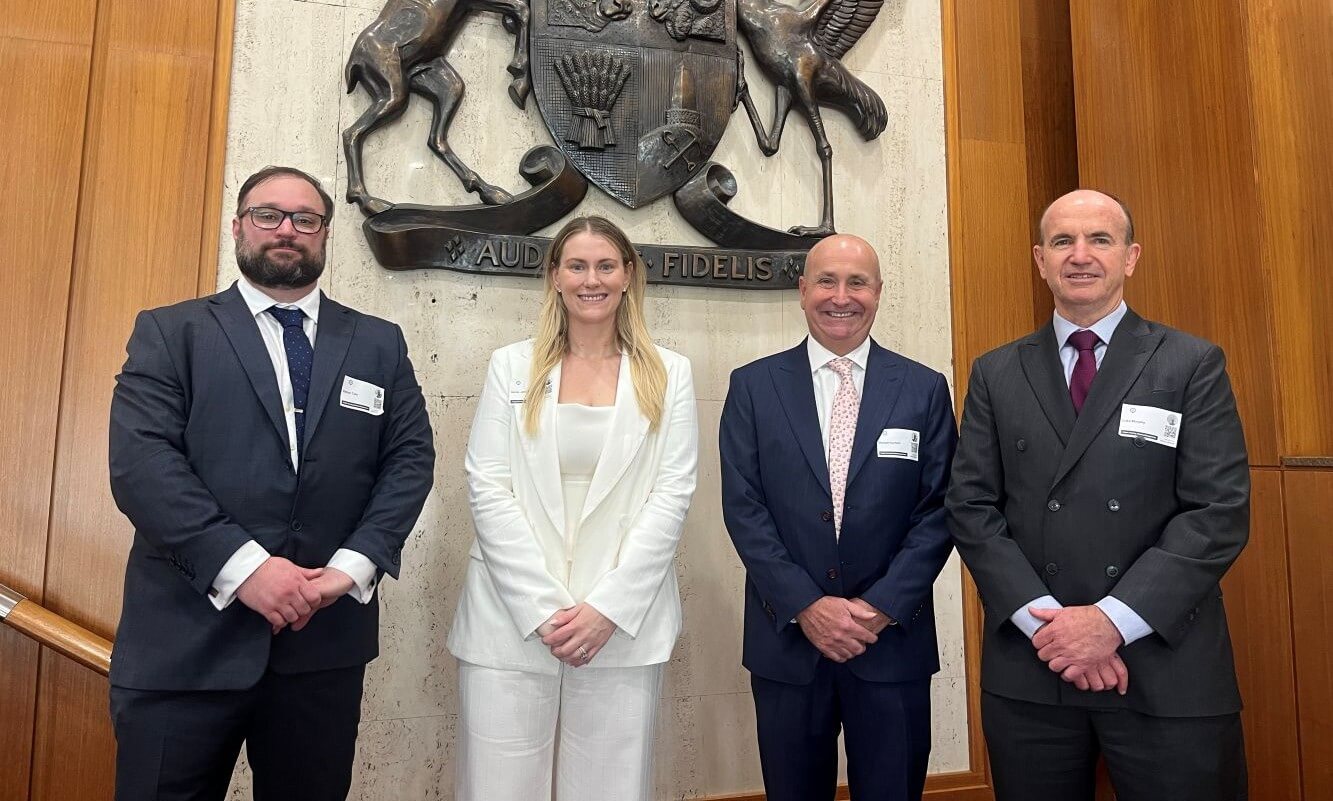
This was one of several concerns raised about the Industrial Relations and Other Legislation Amendment Bill 2026 by QLS Deputy President Sarah-Jane MacDonald; QLS Accident Compensation and Tort Law Committee Chair Michael Garbett and Deputy Chair Luke Murphy; and QLS Industrial Law Committee Deputy Chair Rohan Tate.
Ms MacDonald pointed out that the proposed new sections 241A to 241E of the Industrial Relations Act 2016, relating to suspension, termination and ministerial intervention regarding industrial action, are broader that the Fair Work Act 2009 (Cth) equivalents with which they are said to align.
“The changes regarding legal representation [to allow a lawyer to appear before any industrial tribunal with the consent of the parties or with leave] are welcome, however the remaining two restrictions [existing sections 530(2) and 530(1A)] should also be removed so that the ordinary leave discretion applies to all proceedings,” she said
She said the Society was concerned at proposed changes for representation by unregistered organisations.
“An extreme example is a circumstance whereby a person has been removed out of circulation as a lawyer but can continue to spruik services that they might have experience in and then act as an unregulated professional in this space,” she said.

Mr Tate said one of the key concerns from the Society about the Bill was that it was increasing compliance and obligations on registered organisations, while at the same time creating pathways for unregulated entities to enter the arena.
Turning to the amendments to the Workers’ Compensation and Rehabilitation Act 2003, Ms MacDonald said the Society strongly supported the provisions of the Bill abolishing the requirement for a Medical Assessment Tribunal (MAT) to assess the degree of permanent impairment in all psychological and psychiatric injuries.
Mr Garbett said the delays and costs involved in MAT assessment were significant and this assessment could instead be carried out in the same way as for a physical injury, ie assessment of permanent impairment by one doctor with a pathway to an MAT if the worker disagreed with the assessment.
Mr Murphy said the earlier resolution of a claim, facilitated by not having to wait for MAT assessment, could slash the cost of treatment.
“There’s isn’t a practical benefit in maintaining that (current) process and there’s enormous savings for the scheme and benefits for the workers in aligning the system,” he said.
Ms MacDonald also raised concerns about a proposed change in the definition of injury for psychological and psychiatric disorders, saying this is unnecessary and would likely increase complexity and disputes.
“We also query the proportionality of some of the proposed amendments in relation to fraud and hold serious concerns regarding the reduction of time available to apply for review of insurer decisions and the potential impact of this on injured workers, practitioners and the Regulator,” she said.
QLS also highlighted the potential unintended consequences of introducing a process for prospective employers to apply to the Regulator for a claims history summary for a prospective worker, explaining that such a change may sound in higher damages for future economic loss in common law claims on the basis that information in the summary could result in a disadvantage in the labour market
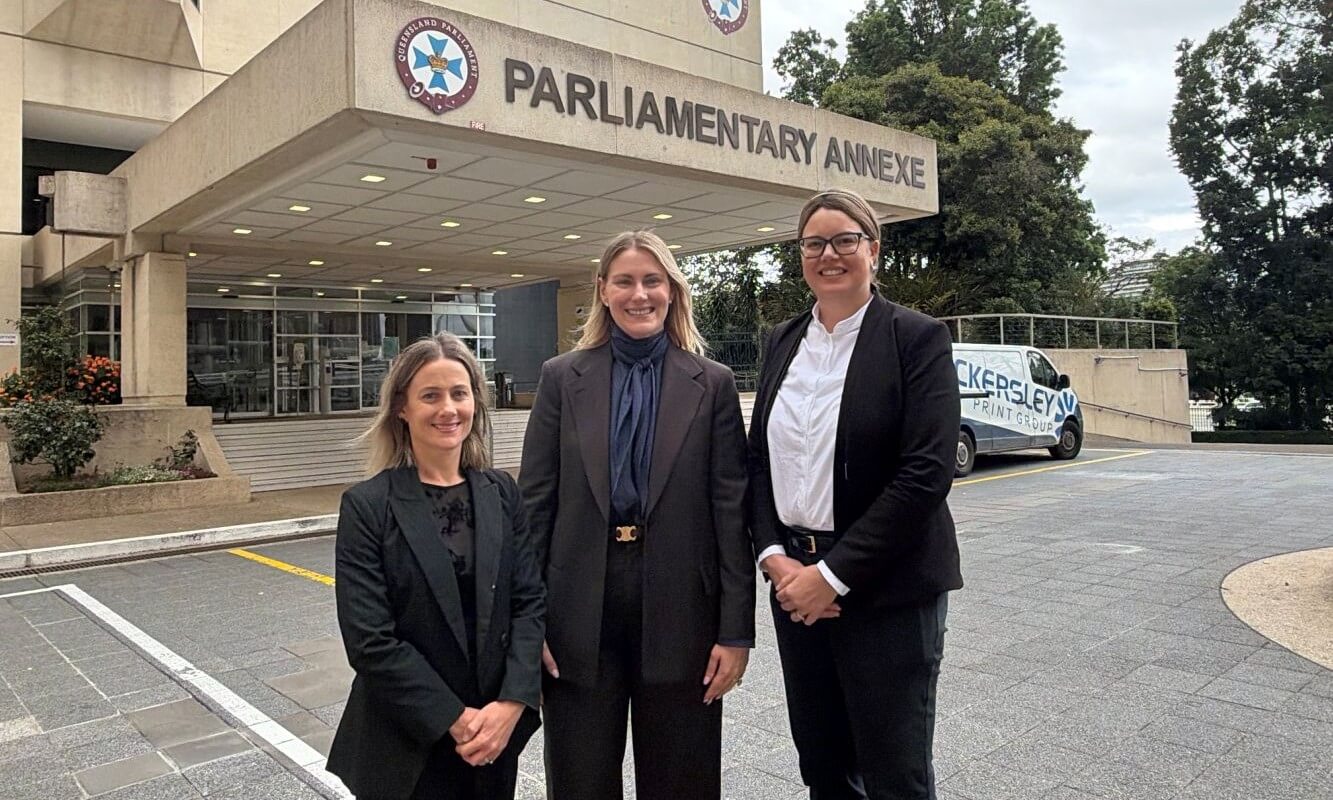
QLS shared the 45-minute time slot at the Parliamentary Annexe with Maurice Blackburn, represented by Patrick Turner, Principal Lawyer and head of the firm’s Queensland’s employment and industrial law team; and the Australian Lawyers Alliance, represented by its Queensland President Peter Gibson.
Read the QLS submission here.
The committee is due to table its report by 27 November.





Share this article