



Recognising ‘long-term systemic failures’ in the Queensland child safety system, the Queensland Government in May announced an independent investigation designed to reform what it described as a ‘broken system’.
In wide-ranging terms of reference, the inquiry has been tasked with reinvestigating issues in the state’s child safety system.
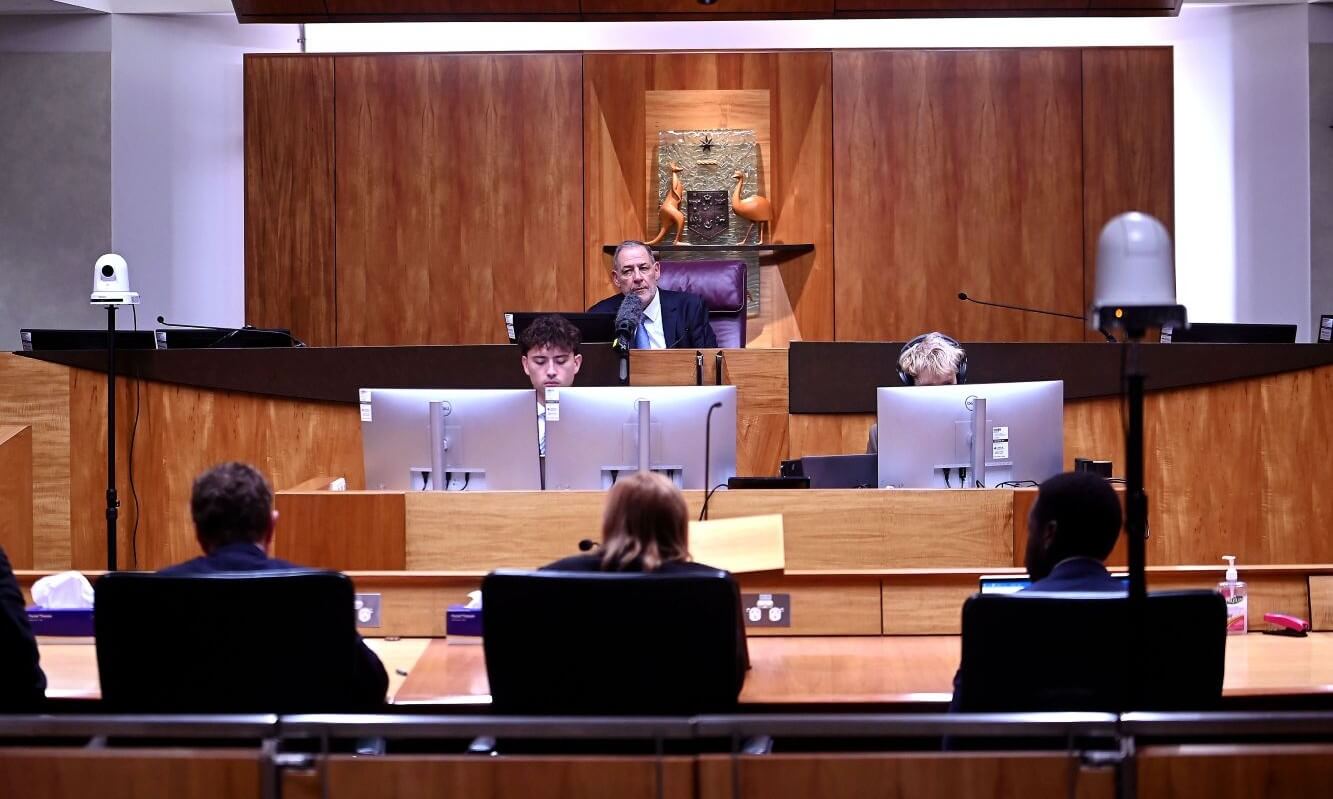
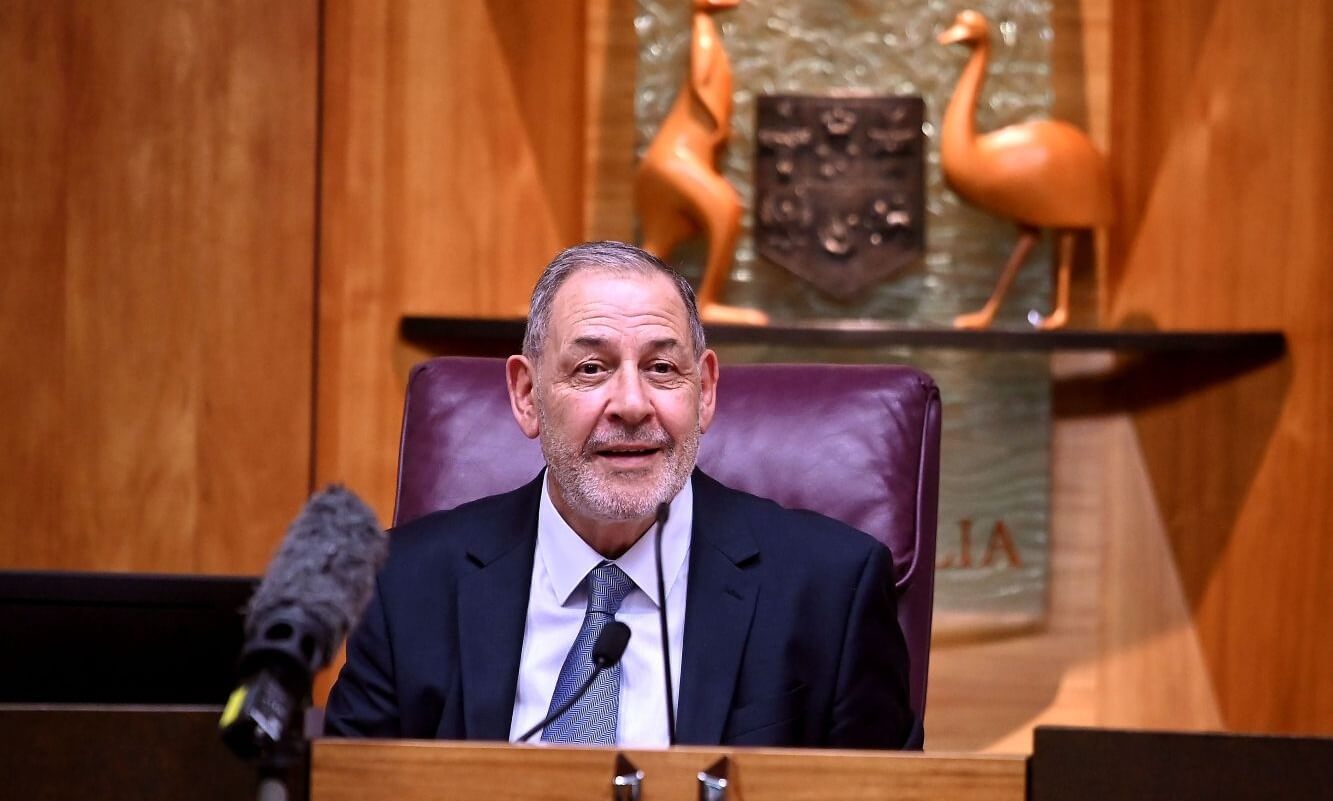
In his opening address, Commissioner and former Federal Court Judge Paul Anastassiou KC said the compelling need for the current inquiry is clear when the scope of the issue is considered.
“The number of children in out‑of‑home care has increased from 7,999 in 2011/12 to 10,092 in 2023/24,” he explained.
“Over the same time period, the number of First Nations children in out‑of‑home care has increased from 3,041 to 4,961.”
He detailed similar increases in the numbers of children in residential care, foster care and kinship care.

“The daily average number of children aged under 17 in youth detention has increased from 164 in 2011/12 to 292.1 in 2023/24. Over that same time period, the daily average number of First Nations children in youth detention has increased from 108 to 209.8.”
The Commissioner noted these increases have continued despite the previous Queensland Child Protection Commission of Inquiry held in 2012, led by Justice Tim Carmody.
In its final report, presented in 2013, the Carmody Inquiry found systemic issues and put forward a 121-recommendation Child Protection Reform Roadmap titled Taking Responsibility: Queensland Child Protection Commission of Inquiry.
However, since then, figures in the child safety system have continued to climb.
Commissioner Anastassiou said annual expenditure for child safety services has increased from $735.45 million in 2011/12 to $2.14 billion in 2023/24.
During the 2012 Inquiry the Queensland Law Society (QLS) made multiple submission and continues to be active with the current inquiry.
“QLS contributed substantively through the submission of comprehensive, evidence-based written materials and the delivery of cogent and well-considered oral evidence,” QLS President Genevieve Dee said.
“These contributions reflected the Society’s commitment to advancing informed legal advocacy and policy reform, underpinned by analysis and a deep understanding of the legal, social, and institutional frameworks relevant to the child protection system.”
The QLS has made two submissions to the current inquiry.
In September QLS raised issues with complaint mechanisms within the child protection system.
“The Society has long maintained an accessible complaints mechanism is essential for a functional and effective child protection system,” The QLS submission said.
“Importantly, children and young people must be informed of the procedural avenues available to them for lodging complaints.
“It is paramount there be a structured and transparent response protocol in response to a complaint.”
QLS also raised issues with supervision in the system, submitting that further oversight is needed.
“We request clarification about how the work of the Department of Child Safety is monitored and audited. Self-assessment models are inherently limited and by definition limit transparency,” QLS said.
“Independent monitoring and accountability are non-negotiable mechanisms.”
QLS’s latest submission, in October 2025, pertained to the Aboriginal and Torres Strait Islander Child Placement Principle.
It stated its primary concern was how the Department of Child Safety lack of adherence and the lack of proper consideration of the child placement principle.
“We are concerned about the inconsistent application of the Child Placement Principle in Queensland which contributes to the continued overrepresentation of Aboriginal and Torres Strait Islander children in out-of-home care,” QLS submitted.
“If a child cannot be placed with family or kin, the Child Placement Principle requires they should be placed within close geographic proximity to their community to maintain cultural and relational ties.
“However, our members report that many children are placed far from their communities, resulting in loss of language, cultural identity, and connection to Country.”
The issue of a lack of oversight was raised again.
“There is currently no independent body responsible for monitoring or investigating adherence to the (Child Placement Principle),” the QLS submission said.
“Compliance is largely self-reported by child safety centres, and there is no clear mechanism for families or communities to raise concerns when the principle is not adhered to.
“We strongly recommend non-compliance with the Child Placement Principle be referred to an independent authority.”
QLS will provide further submissions.
The Inquiry anticipates it will deliver its final report by 30 November 2026.




Share this article